personalized jewelry drives 2026 trends, from charms to nameplates
Personalization is no longer a side note, it is how 2026 jewelry looks current. From nameplates to baroque pearls, the custom piece is the trend piece.
The new question shaping 2026 jewelry
The sharpest question in jewelry right now is not whether personalization matters, but how it fits the year’s biggest visual shifts. Custom commissions are moving in step with sculptural cuffs, statement earrings, chunky chains, baroque pearls, mixed metals, and dopamine enamel, which means the personal piece no longer sits apart from fashion language. It is part of the same conversation.
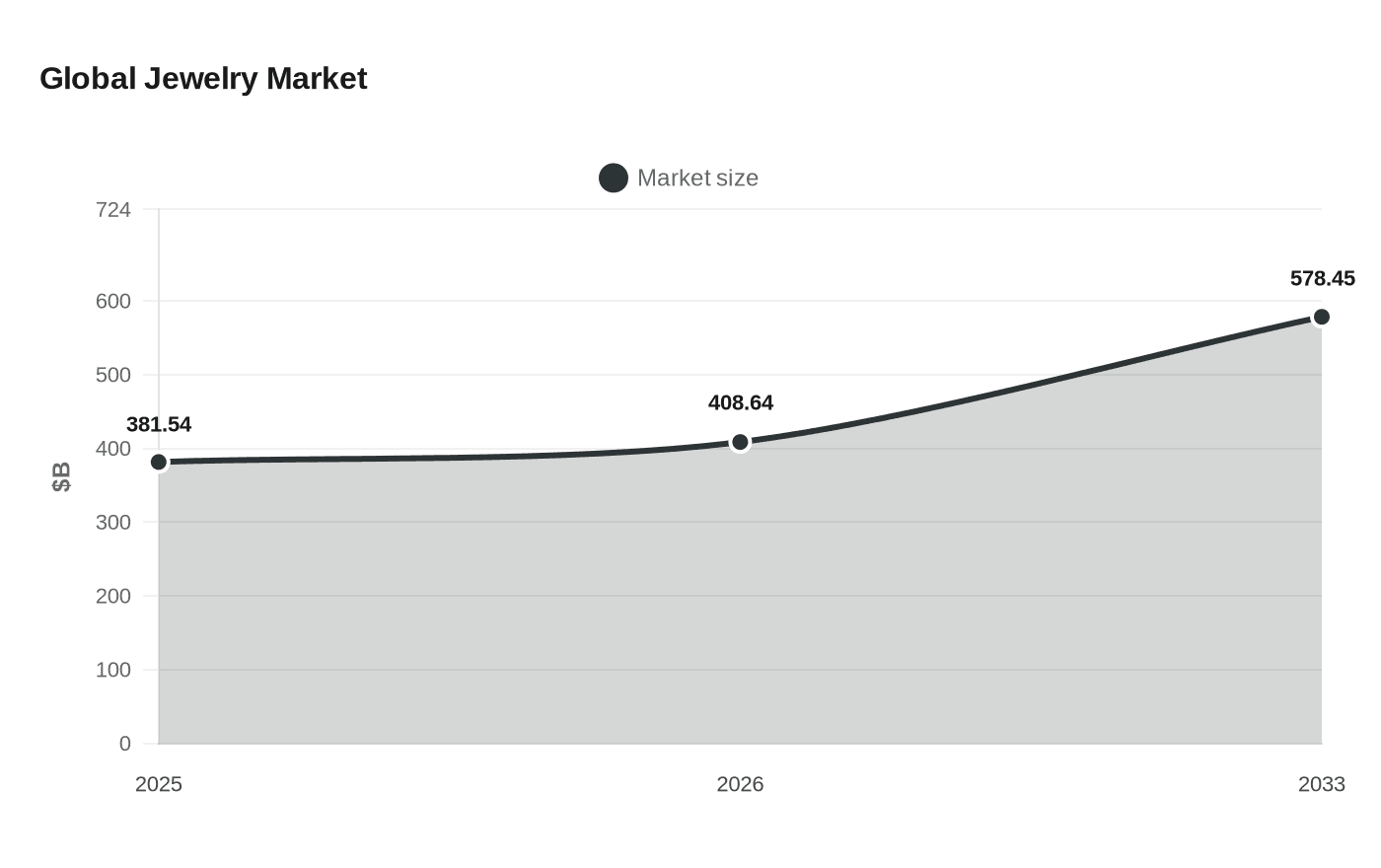
That matters because the market is still growing fast. Statista projects worldwide jewelry revenue at US$408.64 billion in 2026, with a 5.10 percent CAGR from 2026 to 2031. Grand View Research puts the global jewelry market at USD 381.54 billion in 2025 and sees it reaching USD 578.45 billion by 2033, with personalized accessories among the forces pushing that expansion. In other words, the buyer who wants a name, date, or birthstone is not a niche buyer anymore. That instinct is helping shape the category itself.
Identity pieces return, but they look different now
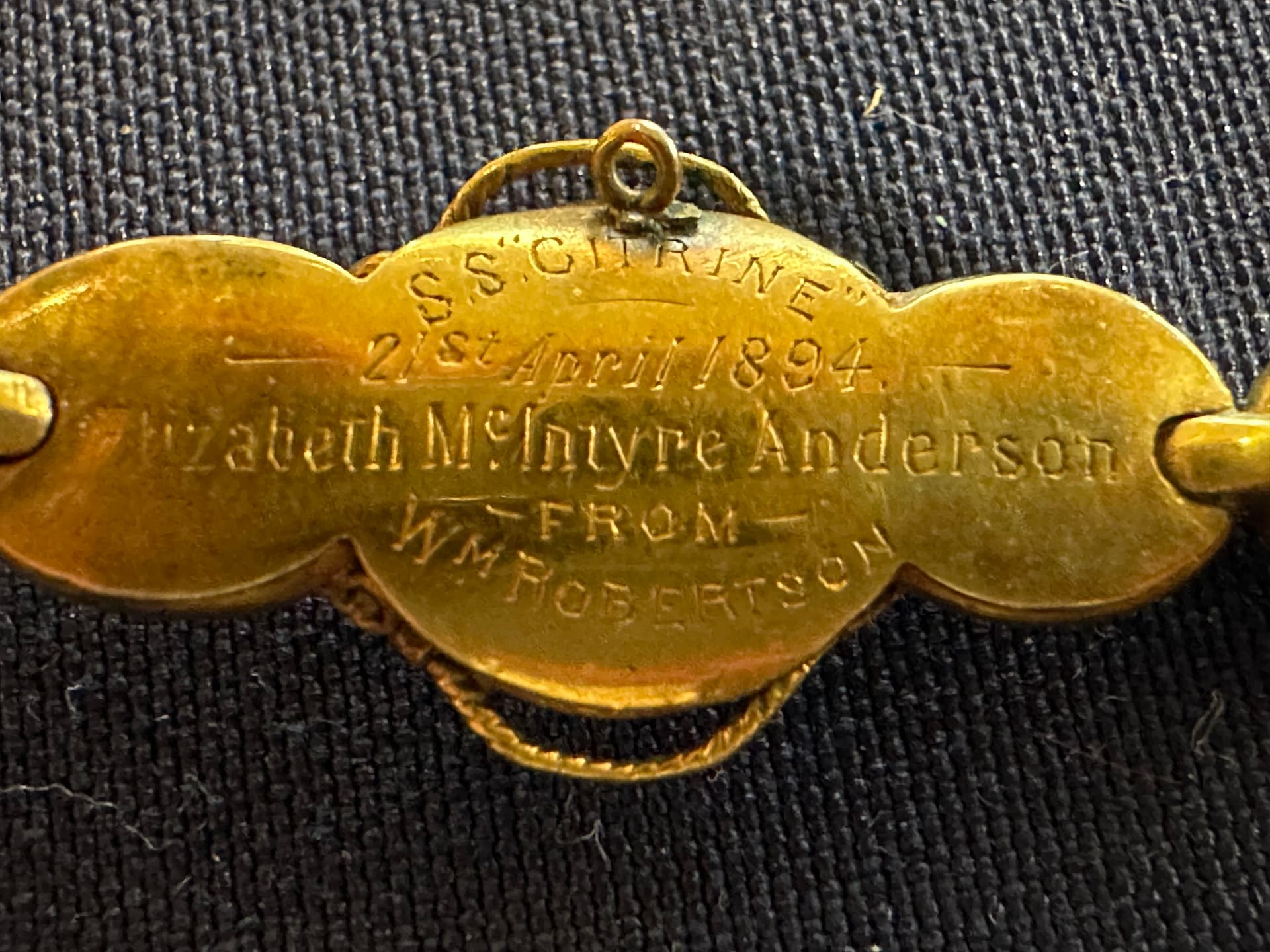
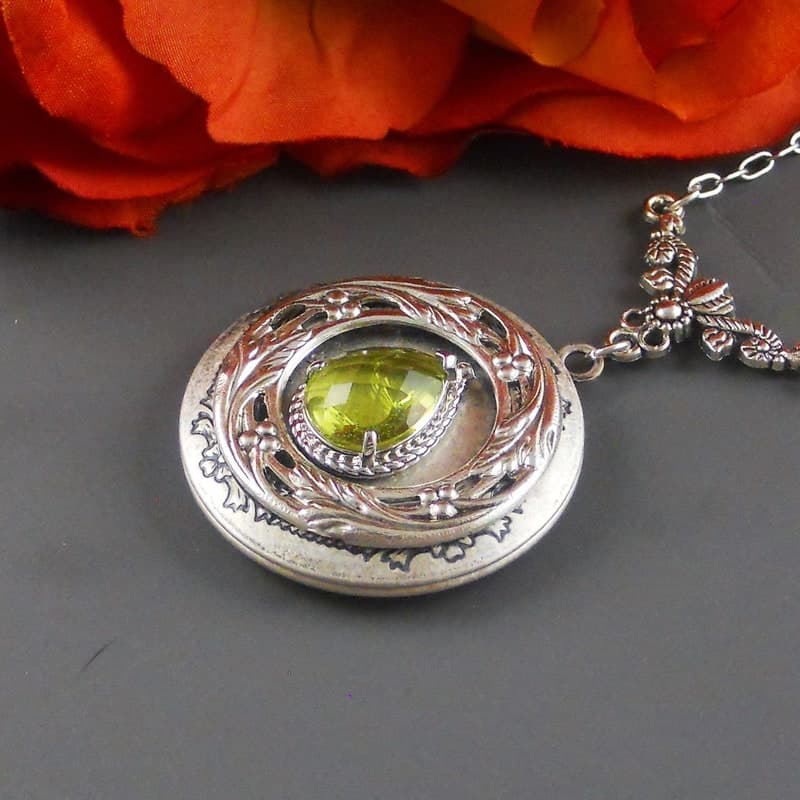
JCK’s spring jewelry coverage makes the direction clear: personalization is showing up in charms, rings, and pendants built around birthstones, names, dates, symbols, and letters. The appeal is immediate and legible. A daughter’s name on a chain, a mother’s birthstone on a ring, a wedding date hidden inside a pendant, these are the kinds of details that turn a purchase into a personal marker without sacrificing style.
The nameplate necklace shows how durable that impulse is. JCK’s 2023 reporting described the category as a cultural artifact, and the archival project Documenting the Nameplate treated the piece as part of a larger story about identity, memory, and style across the country. That history matters now because it explains why the trend keeps resurfacing in new forms. Personalization is not a novelty that arrived for the moment; it is a recurring design language that keeps adapting to the way people want to be seen.
Where custom meaning meets the biggest aesthetics
Mixed metals and chunky chains
Mixed metals give personalized jewelry more range than a single finish ever could. A nameplate in yellow gold can sit on a white gold chain, or a birthstone charm can hang beside silver and gold links, making the piece feel collected rather than matchy. That flexibility is one reason the custom commission feels so current: it can absorb a name or date without looking sealed off from the rest of a jewelry wardrobe.
Chunky chains do something similar. They give a personal charm enough visual weight to feel intentional, not decorative afterthought. A single initial on a substantial chain reads differently from a delicate script necklace, and that difference is exactly what makes the 2026 version of personalized jewelry feel more fashion-forward.
Baroque pearls and dopamine enamel
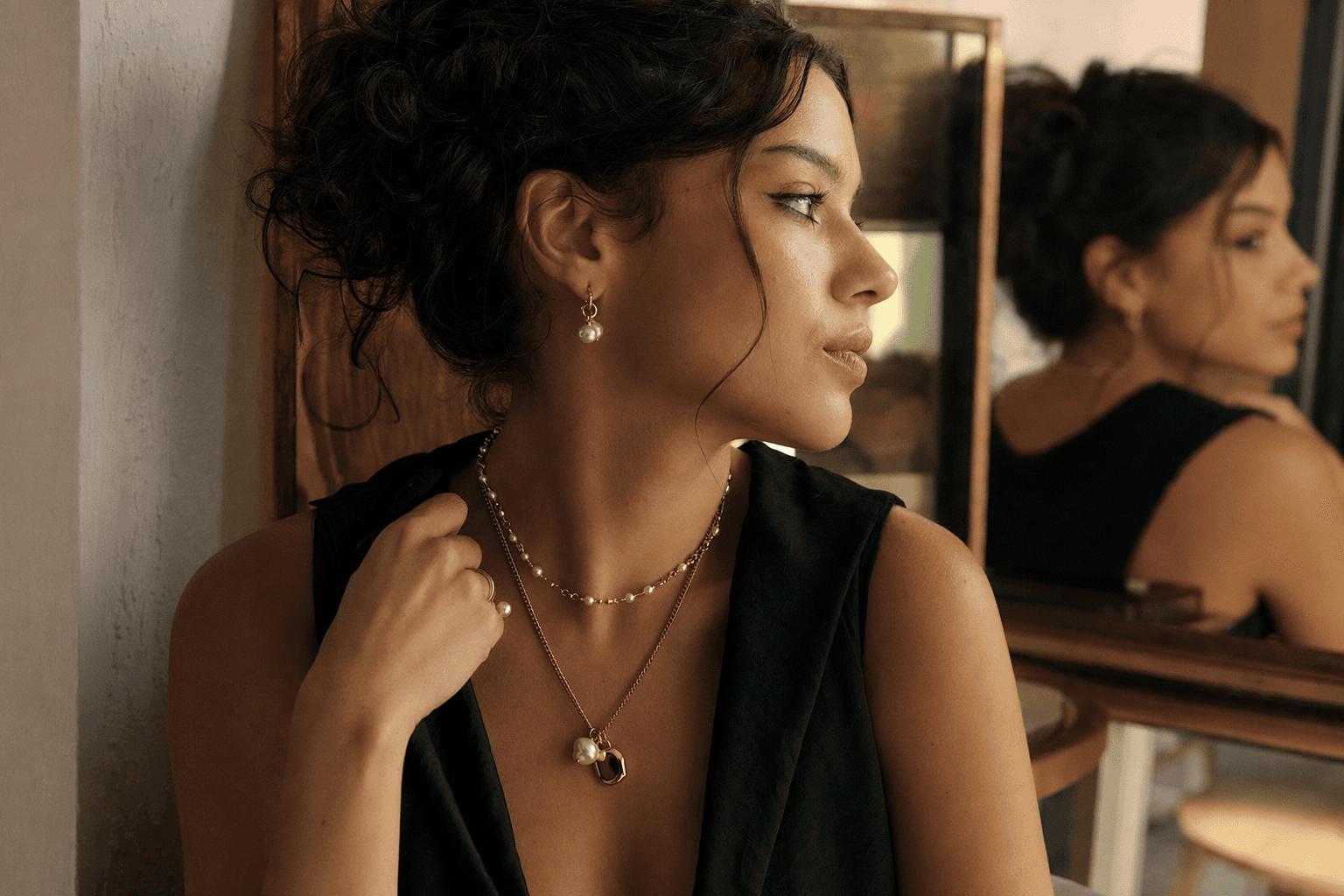
Baroque pearls are especially useful for personalization because their irregular surfaces already reject symmetry. Add a small initial, a birthstone drop, or a single engraved charm and the piece feels bespoke rather than sentimental. The pearl itself does part of the storytelling, which makes it a strong choice for buyers who want softness without predictability.
Dopamine enamel brings a different energy. Color turns a personal mark into something bolder and more legible, whether that means a bright charm, a bold letter, or a nameplate in a vivid palette. If engraving is private, enamel is public. It makes personalization visible from across the room, which is exactly why it sits so naturally beside the year’s more clickable, eye-catching jewelry directions.
Sculptural forms and statement silhouettes
Sculptural cuffs and statement earrings show how far customization has moved beyond tiny initials. A custom piece can now be built into the silhouette itself, with block lettering, a hidden date, a shaped clasp, or a stone setting that turns a simple symbol into something architectural. That is the most important shift in the category: personalization is no longer only surface decoration. It can be part of the form.
For buyers, that opens the door to pieces that feel personal without reading as obviously personalized. A cuff can mark a milestone with a discreet engraving inside the bend. A pair of earrings can echo a birthstone color rather than spelling anything out. A pendant can use a symbol instead of a full name, which gives the piece a cleaner, more wearable line.
Permanent jewelry turns personalization into a service
Permanent jewelry has also moved beyond trend status and into regular business offerings. JCK reported that customers increasingly personalize these welded bracelets with charms or initials, and that the format is popular for birthdays, life events, and bridal groups. It is one of the clearest signs that personalization is no longer just a product category. It is an experience category too.
That shift helps explain why the format has such broad appeal, from celebrities and Instagram influencers to people buying for every day. The draw is not only the metal or the clasp, but the ritual of making the piece in the moment and leaving with something that already feels claimed. In a bridal setting, that can mean matching bracelets with different initials. For a birthday, it can mean adding a charm that marks the year cleanly and without fuss.
How to choose a custom piece that feels current
The strongest personalized jewelry in 2026 is the kind that starts with the silhouette, then adds the meaning. The most adaptable pieces tend to do three things well:
- They give you room for a name, date, symbol, or birthstone without crowding the design.
- They work across the year’s key looks, especially mixed metals, pearls, enamel, and sculptural shapes.
- They feel like something you would wear with other jewelry, not just on the day you receive it.
That is why the category keeps growing. Personalized jewelry now has the emotional utility buyers want and the visual language fashion wants. It can be intimate enough to mark a birthday, a marriage, or a child’s name, while still reading as a clean, modern piece of design. In 2026, the most persuasive jewelry is not the loudest or the most expensive. It is the piece that makes a memory look unmistakably current.
This article was produced by Prism’s automated news system from verified source data, official records, and press releases, then run through automated quality and moderation checks before publishing. The system is built and supervised by the people who set the standards it runs under. Read our full AI policy.
Did this article answer your question?