Shopify's 9-Step Guide Helps Jewelers Launch Personalized Engraving Businesses
Shopify's updated guide maps every decision a personalized jewelry brand must make, from laser engraving tooling to made-to-order lead times, in nine practitioner-focused steps.
The worldwide jewelry market is projected to reach nearly $579 billion by 2033, and within that vast landscape, personalized pieces occupy one of the fastest-growing and most defensible corners. "Personalized jewelry" and "handcrafted jewelry" consistently rank among the most-searched terms on Etsy, and the online handmade goods market is expanding at roughly 9% annually. Against that backdrop, Shopify's updated nine-step guide for launching a jewelry business arrives as something genuinely useful: a practitioner-focused primer that walks creators through every consequential decision, from defining what they will make to how they will market it.
Start Where It Counts: Choosing Your Niche
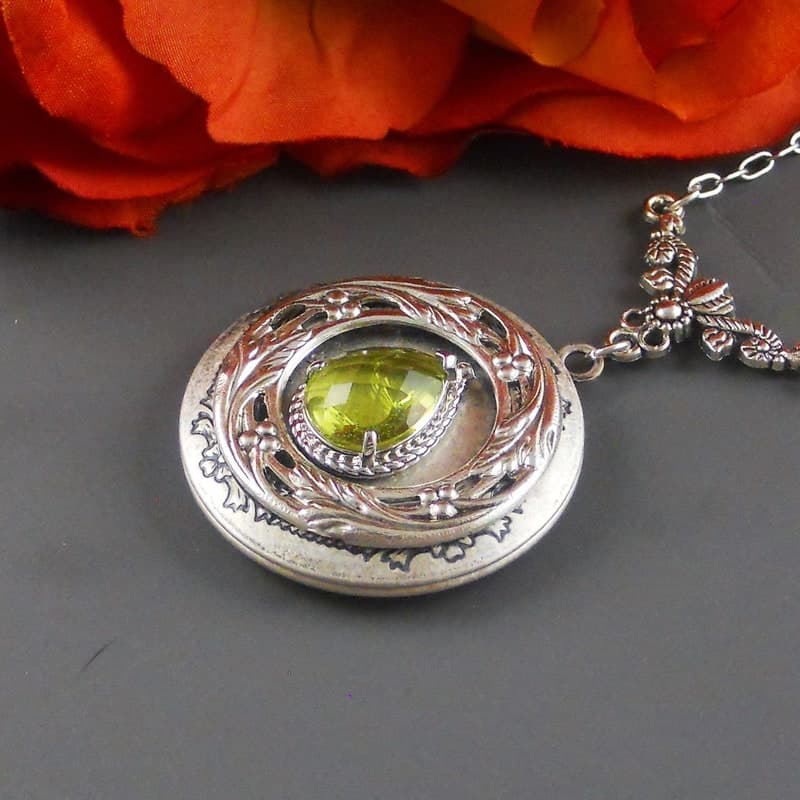
The guide draws a clean distinction between three dominant categories: fine jewelry, fashion jewelry, and personalized keepsakes. Each category implies a different customer, a different price ceiling, and a different production model. Fine jewelry demands premium materials, gemological precision, and price points that reflect both. Fashion jewelry prioritizes trend responsiveness and accessibility. Personalized keepsakes, which include engraved pieces, name necklaces, initial jewelry, and birthstone compositions, occupy a distinct position because emotional value drives perceived worth more than material cost alone.
The guide advises defining an ideal customer profile first, considering budget, values, preferences, and shopping habits, and determining whether products serve occasion-specific moments like weddings or birthdays, or whether they are designed for everyday wear. Brands like Enso found traction by solving a specific problem: active customers and those with metal allergies needed alternatives to traditional metal rings. That level of specificity is the model. For personalized jewelry, the occasion map practically draws itself: milestone birthdays, anniversaries, graduations, new parenthood. The emotionally resonant occasions are not seasonal; they are perpetual, which is what makes this niche so commercially durable.
Building a Personalization Product Matrix
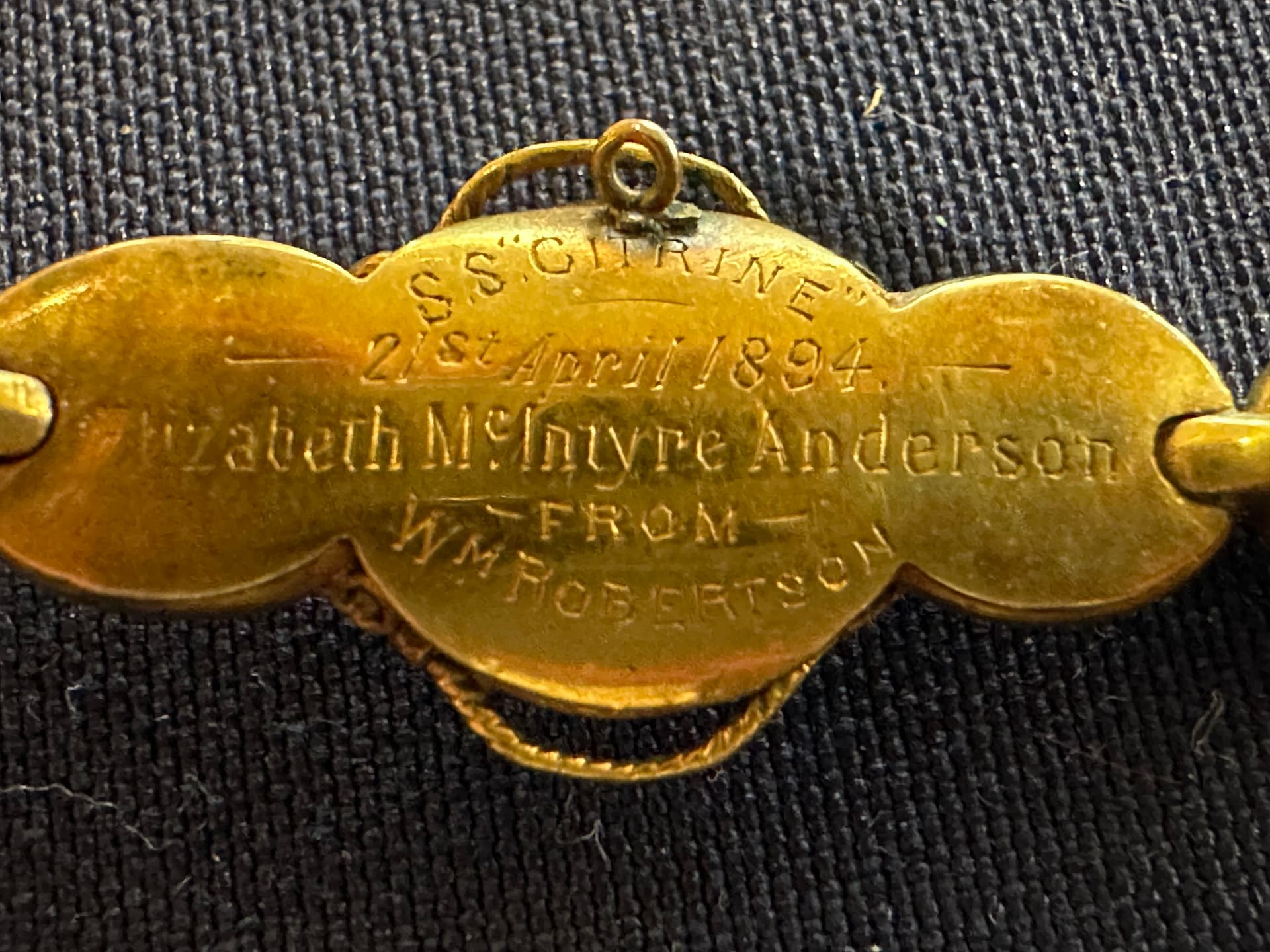
Before a single piece is engraved, the guide recommends constructing a clear personalization product matrix: a deliberate map of what can and should be offered. For an engraving-focused brand, that matrix might span name necklaces in block and script fonts, coordinate bracelets, initial signet rings, and birthstone stackers in various metal options. The matrix disciplines the offer. It prevents the operational chaos of accepting every conceivable request while signaling genuine expertise to buyers.
Brands like Taudrey have built their entire identity around engraved personalized jewelry, treating engraving as a design-first philosophy rather than an add-on feature. Their approach, embedding the customization tool directly on product pages rather than in a secondary tab, removes purchase hesitation at exactly the moment it matters most. That design decision is instructive for any brand building a personalization matrix: the customization interface is part of the product experience, not a logistical afterthought.
Tooling: CAD, Laser Engraving, and the In-House Question
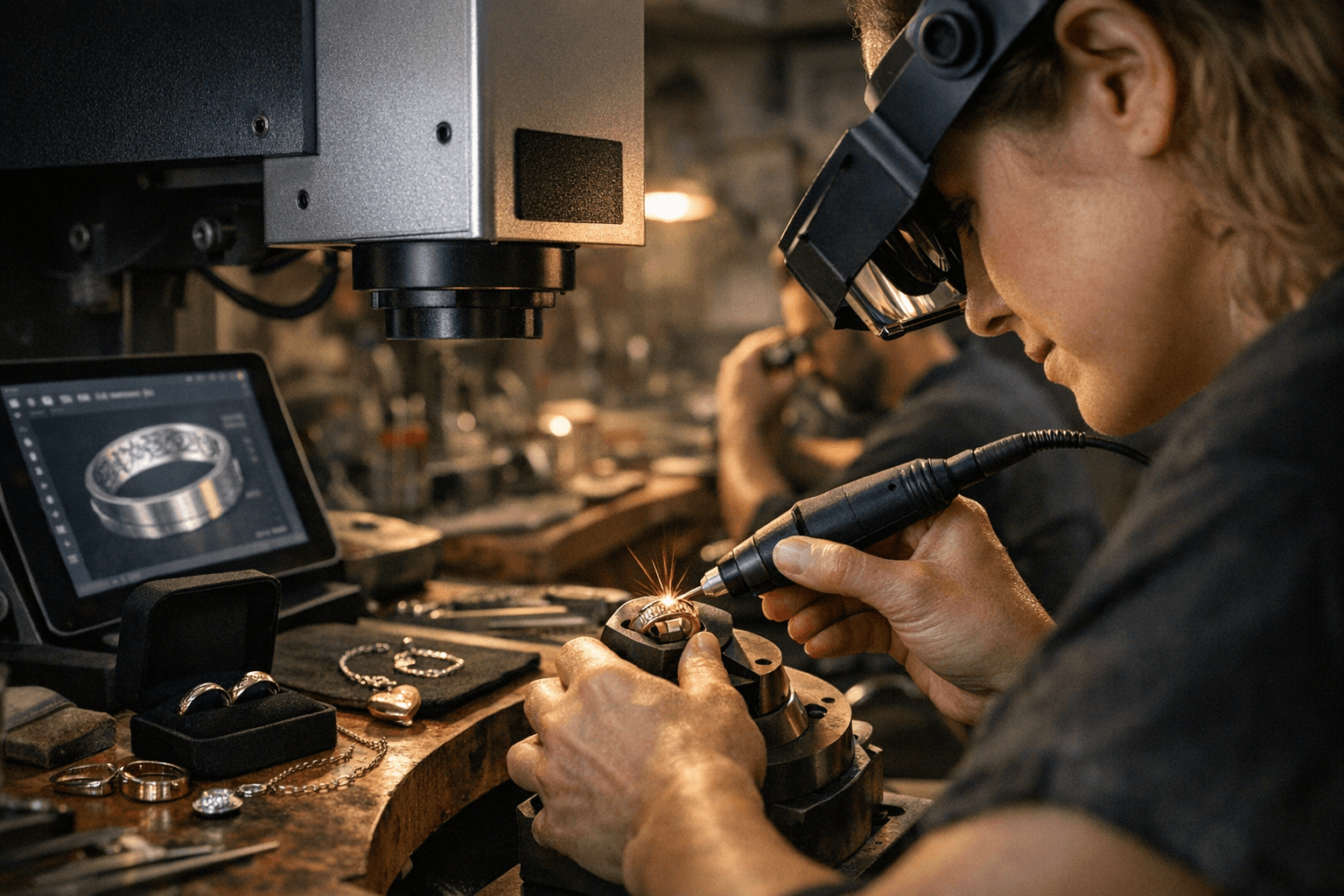
The guide addresses tooling with the seriousness the subject deserves. Three technologies anchor most personalized jewelry production: CAD (computer-aided design), 3D printing for prototyping and casting, and laser engraving for surface personalization. Each requires a different capital investment and a different skill set.
For creators building a laser engraving business from scratch, the recommendation is to begin with stainless steel, which carries the lowest risk of engraving inconsistency, before expanding to titanium, silver, or gold-filled materials once workflows are stable. Plated jewelry can be profitable, but only after repeatable settings and proper quality control are established.
The in-house versus partner production decision is one of the most consequential a personalized jewelry brand will make. In-house laser engraving gives total control over lead times and quality; it also requires capital expenditure on equipment and ongoing operator skill. Partner production, whether through a domestic engraving studio or a print-on-demand supplier, reduces overhead but introduces dependency. The guide frames this as a workflow question as much as a financial one: what volume of orders can your fulfillment model realistically absorb without compromising quality?
The Made-to-Order Operational Realities
Made-to-order is the operational backbone of most personalized jewelry businesses, and the guide dedicates real attention to its specific demands. Unlike ready-to-ship inventory, made-to-order production compresses fulfillment windows, complicates returns, and raises quality control stakes considerably because each piece is unique.
Lead times must be communicated with precision, not approximation. A product page that states "ships in 7-10 business days" does less conversion damage than one that fails to set any expectation and then disappoints. Being transparent about estimated shipping and production times helps set customer expectations and builds long-term trust.
Returns present a structural challenge unique to personalization. A name necklace engraved with "Sofia" cannot be restocked. The guide recommends building explicit return policies that acknowledge this reality while protecting customer confidence: errors on the seller's part should always be remedied without friction; personalization errors by the customer require a clearly articulated exchange or remake policy.
Quality control in a made-to-order environment means building inspection into every step of production rather than checking finished goods at the end. For laser-engraved pieces, that includes verifying font rendering, depth, alignment, and metal finish before a piece is packaged. A single engraving error that reaches a customer erodes trust in ways that price discounts cannot easily repair.
Pricing with Personalization in Mind
Pricing personalized jewelry requires accounting for materials, labor, tooling amortization, and, critically, the customization premium that buyers consistently demonstrate they will pay. Customers place high value on customizations such as personalized stamped charms or engravings, and the guidance is to upsell this option whenever studio capacity allows. That framing is worth internalizing: personalization is not just a product feature; it is a pricing lever.
The standard jewelry pricing formula, materials cost multiplied by a markup factor, requires adjustment for personalized work. Each engraving adds labor time, machine time, and the risk of a reject. A transparent pricing structure that shows customers exactly what they are paying for, base piece plus personalization fee, tends to perform better than bundled pricing that obscures the customization value.
Photography and the Visual Sell
High-resolution lifestyle photography that shows pieces worn in real-life settings is one of the most effective conversion tools for personalized jewelry brands. Professional photography costs can range from $500 to $2,000, but the investment pays in brand perception and customer confidence.
For engraved pieces specifically, photography must solve a technical problem: text that reads clearly in person can disappear or distort under certain lighting on screen. Macro photography with raking light, which creates shadow in engraved recesses, makes personalization legible and beautiful. Font samples photographed at scale, not just rendered digitally, give buyers the confidence to choose without second-guessing.
E-Commerce Setup and Content Strategy
The guide's e-commerce guidance centers on Shopify as the platform of choice, with the Basic plan available at $39 per month as the entry point for new stores. Beyond platform setup, the content strategy for a personalized jewelry brand has specific requirements that generic e-commerce advice misses.
How-to pages explaining engraving options, font choices, character limits, and metal compatibility are not just SEO assets; they are trust infrastructure. A buyer who understands exactly how their name will look in Bodoni versus block capitals is a buyer who completes their purchase. Care instruction pages, written specifically for the material (sterling silver requires different care than gold vermeil), reduce post-purchase anxiety and returns. Font sample galleries, ideally photographed on actual metal rather than rendered digitally, close the imagination gap that often stops conversions on personalized products.
Marketing a Made-to-Order Brand
Personalization features, when surfaced correctly, increase average order value and reduce purchase hesitation. The marketing corollary is that content demonstrating personalization in process, showing the engraving machine at work, the finished piece being inspected, the packaging moment, converts passive browsers into emotionally invested buyers. The guide points to social content and influencer partnerships as natural amplifiers for this kind of narrative-driven marketing.
The structural advantage of the personalized jewelry category is that the product sells a feeling as much as an object. Every piece carries a name, a date, a coordinate, a private significance. That is the story a brand must tell across every channel, consistently and specifically. Shopify's nine-step framework gives the operational scaffolding; the craft of personalized jewelry supplies everything that makes the business worth building.
This article was produced by Prism’s automated news system from verified source data, official records, and press releases, then run through automated quality and moderation checks before publishing. The system is built and supervised by the people who set the standards it runs under. Read our full AI policy.
Did this article answer your question?