Transparent workshops help jewelers build trust in custom commissions
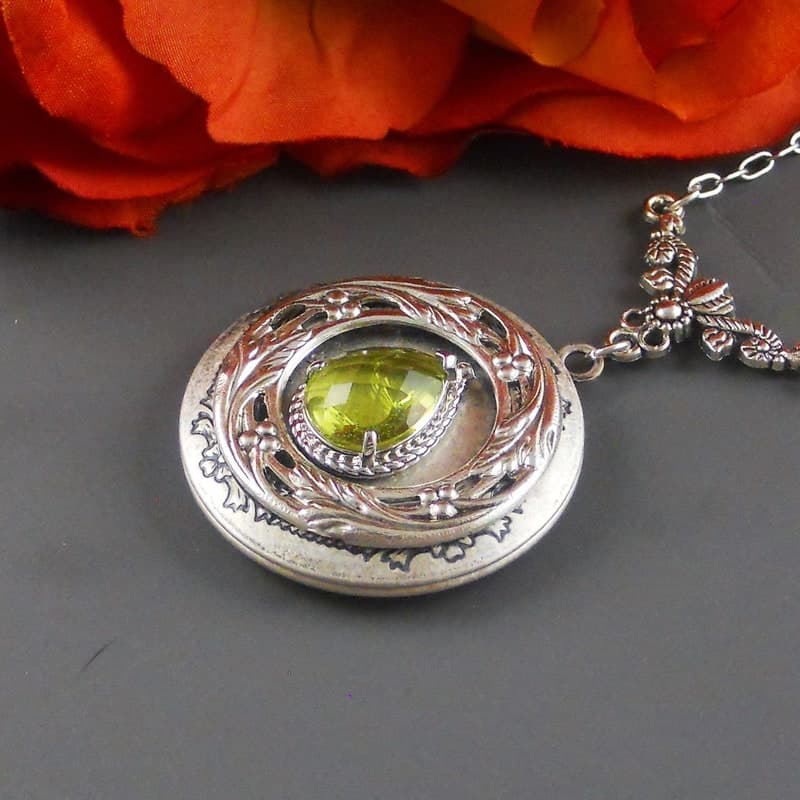
Transparent workrooms turn custom jewelry into a trust signal, letting buyers watch a nameplate, birthstone, or engraving take shape before their eyes.
Glass walls are becoming part of the sales pitch
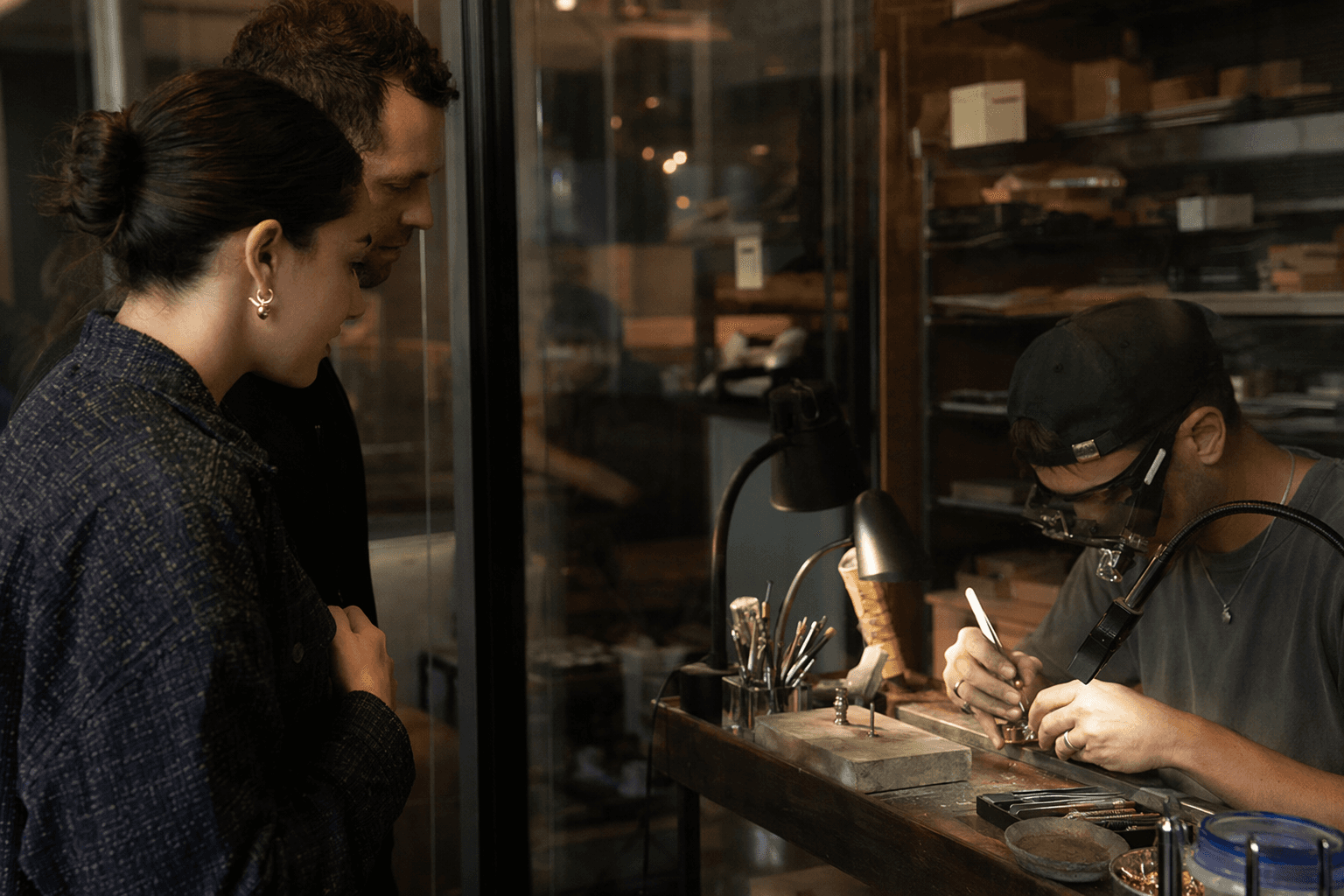
In custom jewelry, the most persuasive detail may be the one customers can see happening in real time. Independent jewelers are moving benches out of back rooms and into glass-fronted workrooms, open doorways, and street-facing windows, turning fabrication into a visible promise that the piece is being made, altered, or finished in-house.
That visibility matters because personalized jewelry is sold on confidence as much as sentiment. A buyer commissioning a name necklace, a birthstone ring, or an engraved pendant wants more than a nice sketch and a polite estimate. They want reassurance that the workshop exists, that the craft is real, and that the finished piece will match the story they are investing in.
Why transparency sells custom work
The strongest custom experiences begin long before the torch is lit. National Jeweler’s coverage of the bespoke process makes the point plainly: a great custom design experience starts with listening closely to the customer and managing expectations throughout the process. That advice sounds simple, but it explains why visible workshops resonate so strongly. When the bench is in view, the shop is not just promising service, it is showing its methods.
JCK has argued that clienteling remains central to jewelry retail because it is rooted in relationship-based selling, and the future of the category depends on human engagement paired with a seamless physical-digital experience. Transparent workshops fit that model neatly. They let the customer see the person behind the bench while reinforcing the idea that custom work is collaborative, not transactional.
What the best open workshops actually show
The most effective spaces do more than decorate a showroom. They make process legible. In Greensboro, North Carolina, Jacob Raymond Custom Jewelry placed its showroom and workshop with no wall between them, while casting and lapidary equipment sat in a front window. In Edmonton, Alberta, Vandenbergs Jewellers used a floor-to-ceiling glass wall so passersby could watch goldsmiths at work. These are not hidden craft rooms. They are stages for the exact skills buyers are paying for.
A 2021 feature on William Travis Jewelry described a workshop behind a glass window that delivered full transparency, with design, CAD mockups, casting, setting, and polishing all handled in-house. That sequence matters. A visible shop is not only about romance; it is proof that one business can shepherd a piece from first idea to final polish without sending the work elsewhere.
Malka Diamonds & Jewelry turns proof into theater
One of the most effective examples comes from Malka Diamonds & Jewelry in Portland, Oregon. The workshop is visible from both the showroom and the street, which already gives shoppers a sense that work is happening on site. But the design goes further: hand-drawn sketches of past commissions were turned into custom wallpaper around the glass wall, making the room feel like a gallery of completed ideas as much as a production space.
That choice does something smart for the customer experience. It ties the abstract promise of custom work to a wall of tangible memory. A shopper can imagine their own commission joining that visual archive, whether it is a pendant for a new parent, a signet ring, or a remade heirloom reset around a new center stone.
The emotional appeal is immediate and shareable
Personalized jewelry works best when it creates an instant self-recognition moment. The buyer sees a name, a birthstone, a date, or a motif and thinks: this is mine, this is my daughter’s, this is my mother’s. Visible workshops intensify that reaction because the object feels imminent, not distant. The piece is not just customized; it is unfolding in front of them.
That has real retail value. A glass-fronted bench becomes part of the giftable experience, especially for shoppers buying for an anniversary, a graduation, or a milestone birthday. It also turns the store into something people want to photograph and talk about, because the custom story starts before the purchase is complete.
The market is rewarding personalized experiences
The demand behind this shift is not anecdotal. Grand View Research estimated the global jewelry market at USD 381.54 billion in 2025 and identified luxury and personalized accessories as key growth drivers. JCK reported in January 2025 that the jewelry sector is expected to grow 4% to 6% over the next two years while attracting a younger and more diverse client base. That is a meaningful signal for jewelers who have long depended on traditional selling methods.
McKinsey’s 2025 consumer research, based on 25,998 consumers across 18 markets, adds a broader backdrop: buyers are increasingly comfortable with customized experiences and brand-led service. In jewelry, that comfort shows up in the willingness to commission bespoke pieces, to follow a design process step by step, and to trust a retailer that makes its craftsmanship visible.
Technology has made custom feel more accessible
The scale of customization is expanding quickly. National Jeweler reported that Gemist users are designing more than 14,000 custom jewelry pieces each week, which shows how normalized bespoke buying has become. Jared has also leaned into the model, launching its Jared Foundry custom-design studio in 2021 and using technologies including 3D printers to support bespoke creation.
That blend of digital tools and visible craftsmanship is important. It lets a customer begin with a screen-based design conversation, then move into a physical space where the work is rooted in bench skills, metal, and stone. The most convincing custom jewelers are not choosing between technology and authenticity. They are using both to make the process clearer.
What buyers should look for in a custom jeweler
A transparent workshop is not just a nice visual touch. It is a practical test of how a jeweler works. When you are considering a custom commission, look for signs that the shop can explain its process in plain language and show where the work happens.
- A visible bench, glass wall, or open doorway that confirms the work is in-house
- Clear explanations of design, CAD, casting, setting, and polishing
- Sketches or sample pieces that show how the jeweler develops ideas
- A willingness to discuss timelines, stone sourcing, and revisions
- Staff who ask questions before they quote, rather than rushing to sell
Those details matter because custom jewelry is a trust purchase. A transparent workshop does not replace craft; it makes craft legible. And in a category built on memory, meaning, and investment, legibility is often what turns a curiosity into a commission.
The jewelers leaning into open benches are not just showing off their tools. They are giving buyers a reason to believe the piece will be as carefully made as the story attached to it.
This article was produced by Prism’s automated news system from verified source data, official records, and press releases, then run through automated quality and moderation checks before publishing. The system is built and supervised by the people who set the standards it runs under. Read our full AI policy.
Did this article answer your question?