Egypt’s gold boom makes fakes harder to spot
Egypt’s gold surge has made counterfeits look more convincing, so the smartest buyers now start with stamps, weight, and finish before they trust a piece.
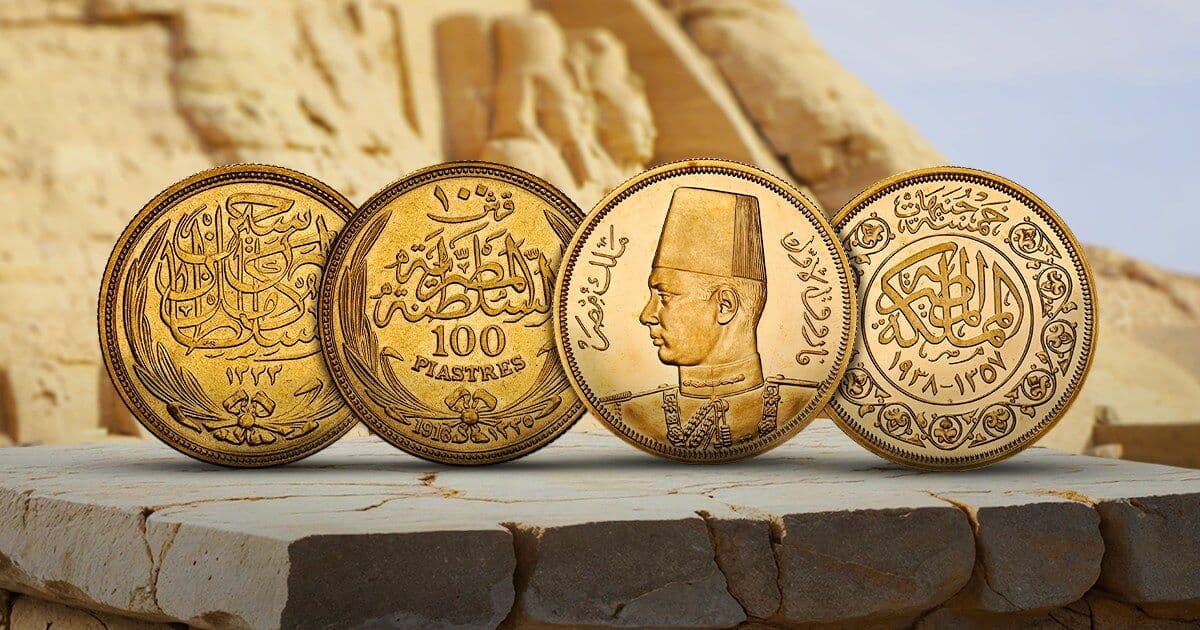
Why the boom has made gold harder to read
Egypt’s gold market has turned into a proving ground for both savers and counterfeiters. As 21-karat gold climbed above EGP 4,800 per gram in early 2024 and then rose past EGP 6,000 per gram by early 2026, more people began treating gold as a way to protect cash, which also raised the stakes for fraud. When the metal is this expensive, imitation pieces can be engineered to look close enough to fool a casual glance, especially in crowded markets and family resale transactions.
That is why every gold purchase now needs to be treated like an identification exercise. A ring, chain, or brooch is not just an ornament in this climate. It is a small archive of metal, stamps, workmanship, and wear, and each of those details can help reveal whether it belongs to the market or only borrows its appearance.
Start with the hallmark, but do not stop there
Egypt’s hallmarking system is not decorative, it is regulatory. The Egyptian Assay and Weights Authority applies the official hallmark on gold items before they are released to market, and that mark matters because it signals that a piece has entered the chain through a state-recognized process. Egypt also has a long hallmarking history, with laws regulating gold and silver standards dating back at least to 1847, which gives the country’s authenticity marks real historical weight.
Still, a stamp alone is no guarantee if the market is flooded with forged imitations. In 2022, the ministry gave manufacturers three months to place their trademarks on gold jewelry under updated rules, which means buyers should expect to see both the official hallmark and the maker’s mark on many pieces. On vintage jewelry, that second mark can be especially useful, because older clasps, inner bands, and reverse sides often carry the clues that separate a genuine period piece from a modern copy.
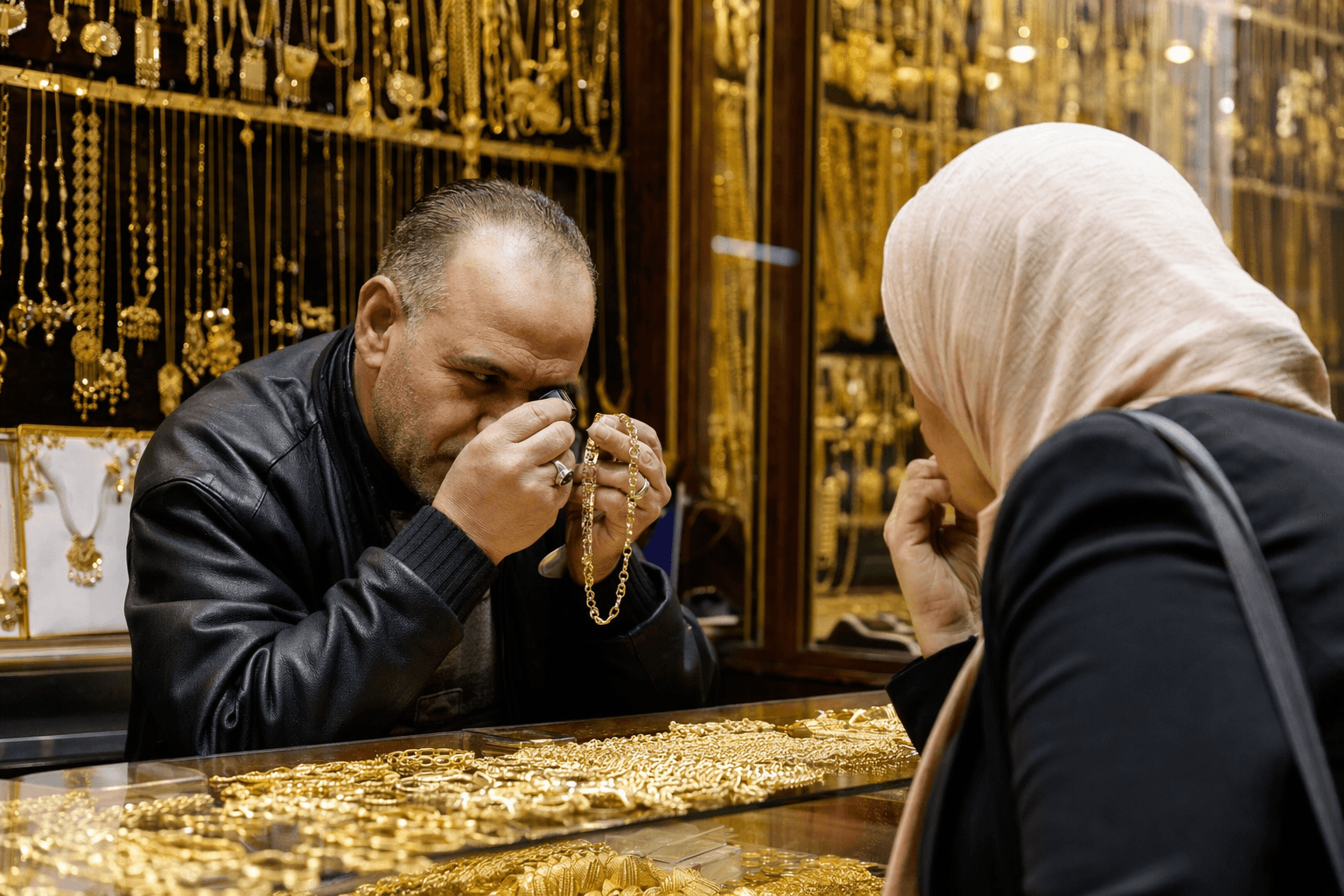
What to look for in the stamp
• A crisp, well-placed hallmark that is legible under magnification. • A maker’s trademark that matches the style and era of the piece. • Consistency between the stamp and the item’s overall construction. • Evidence that the mark was applied cleanly, not forced into soft metal after the fact.
A blurred or oddly shallow mark is a warning sign. So is a stamp that appears in an implausible place, or one that sits on a piece whose construction feels too crude to support a formal hallmarking process.
At-home checks that tell you when to pause
The quickest checks are tactile and visual, not theatrical. Gold should feel substantial for its size, and its color should look even across surfaces that have seen wear. On vintage pieces, watch the underside of a brooch, the inside of a bangle, the barrel of a clasp, and the back of a pendant bail, because those hidden surfaces often reveal the truth long before the face does.
You can also look for clues in how the piece ages. Genuine older gold usually wears in a coherent way, with softened high points and tiny scratches that make sense for the design. A suspect item may have a bright, overly uniform finish, or discoloration at edges where plating has been rubbed away. If a chain feels oddly light for its width, or if a heavy-looking ring seems hollow in a way that does not suit the period, slow down.
Simple checks you can do before buying
• Compare the weight in hand with the volume of the piece. • Inspect hidden surfaces for solder seams, repairs, and unusual color shifts. • Look at the prongs, bezels, and clasp for workmanship that matches the stated age. • Check whether the hallmark and maker’s mark look integrated into the metal, not added as an afterthought.
These tests are useful, but they are only the first pass. A convincing fake can mimic color and surface polish. It can even imitate a worn antique profile. That is why buyers should treat at-home inspection as a filter, not a final verdict.
When the piece needs assay or a trusted jeweler
The moment a piece carries real value, family history, or an unclear stamp, it belongs in professional hands. That is especially true for inherited jewelry, estate-sale finds, and anything bought in a market where the price seems too good to match the karat claim. A trusted jeweler can test the metal properly, examine whether a hallmark is authentic to the piece, and tell you if a repair, resize, or later alteration has changed the object’s integrity.
This matters even more now that Egyptian authorities have been tightening oversight. In April 2025, the Ministry of Supply and Internal Trade said it was boosting enforcement to combat fraud and protect consumer rights. In August 2024, the minister ordered acceleration of coding and laser marking for gold jewelry and precious metals, and officials have also studied Türkiye’s laser hallmarking model as part of modernization efforts. The direction is clear: the market is moving toward more traceable gold, because old assumptions are no longer enough.
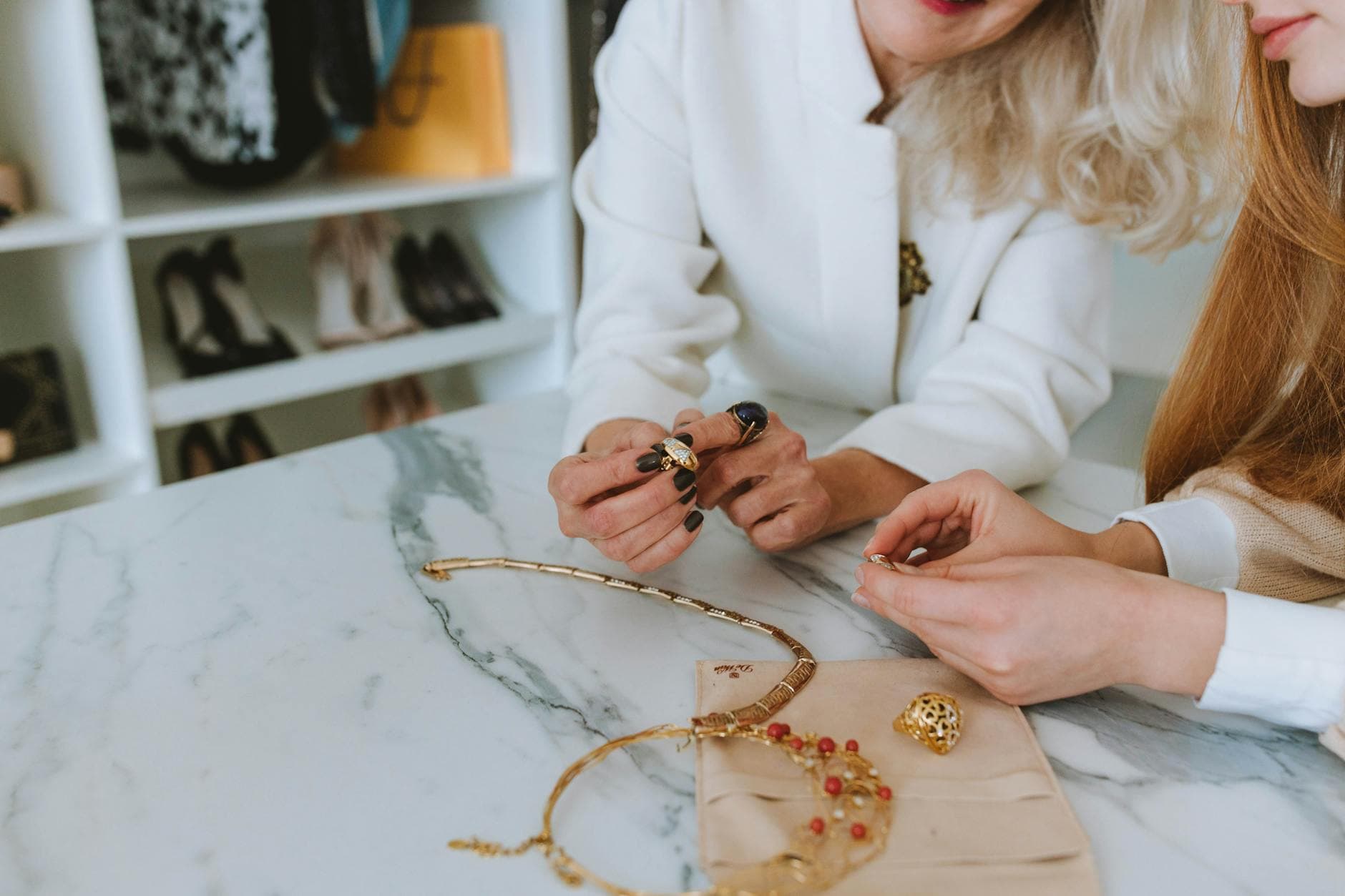
Red flags that justify professional verification
• The piece has no visible hallmark where one would normally be expected. • The maker’s mark is inconsistent with the workmanship or style. • The seller avoids letting you examine the item closely. • The price is wildly out of line with current gold values. • The piece comes from an inheritance or estate source with no clear paper trail.
For a buyer, assay is not an admission of distrust. It is the sensible response to a market in which fake stamps can travel with real-looking metal.
Why enforcement matters to vintage buyers
The surge in official crackdowns is not abstract. Authorities have seized counterfeit gold items and tools used to forge imitation stamps, including a reported raid in Alexandria that netted about 3.5 tons of silver, around 1 kilogram of gold, and forgery tools, with the goods valued at EGP 580 million. That scale says something important about the trade: counterfeiters are no longer working only at the edges, and the tools they use are sophisticated enough to target the trust embedded in hallmark culture itself.
For vintage jewelry buyers, the lesson is simple. Khan El-Khalili, Cairo’s historic market, and smaller neighborhood shops can still offer remarkable finds, but the buyer who knows where to look has the advantage. Study the stamp. Read the wear. Respect the piece’s construction. And when the object’s history and its metal story do not align, let a professional decide what the eye alone cannot. In a gold market this hot, authentication has become part of the romance.
Know something we missed? Have a correction or additional information?
Submit a Tip

