GemGenève draws record crowds as vintage jewelry values provenance
GemGenève’s record turnout showed collectors still chase untreated stones, documented provenance and objects with a story, not just sparkle.

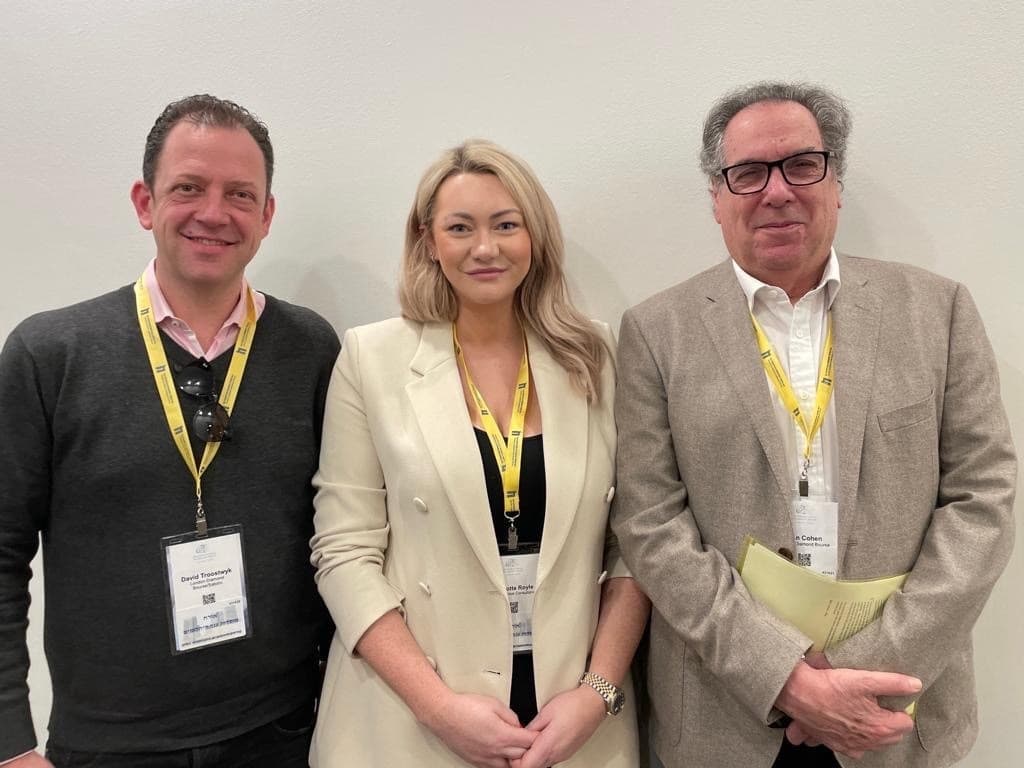
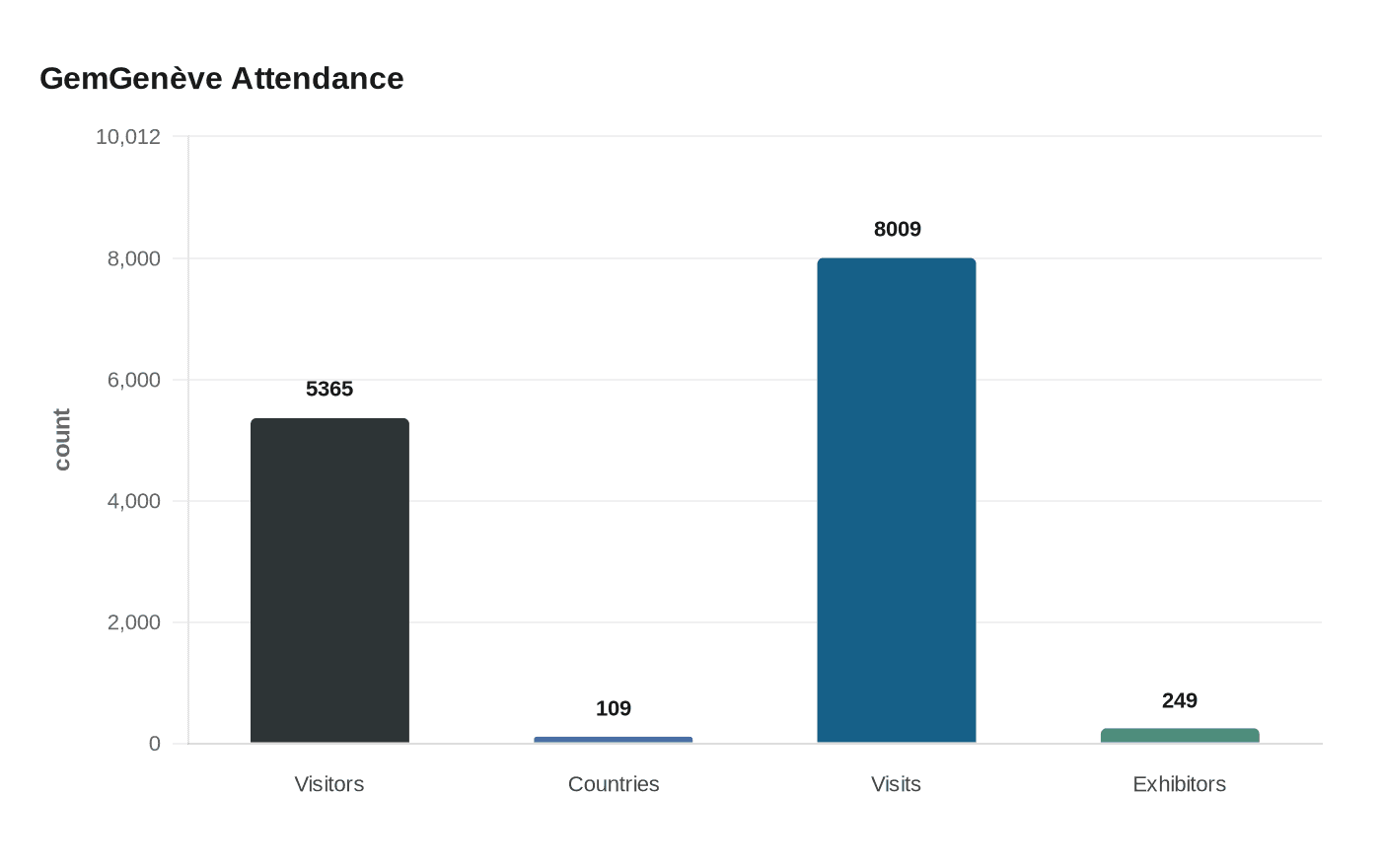
GemGenève’s tenth edition made one thing unmistakable: vintage jewelry is being decoded, not simply admired. The Geneva fair drew 5,365 unique visitors from 109 countries and logged 8,009 visits across 249 exhibitors, its strongest attendance since the show launched in 2018 at Palexpo.
That scale mattered because the buying mood on the floor still favored evidence over flash. Dealers reported high-quality conversations and unusually strong energy, while co-founder Ronny Totah said feedback from exhibitors was excellent. Co-founder Thomas Faerber called the edition a “vintage year,” a fitting phrase for a fair that continues to reward collectors who know how to read a stone, a setting and a story.
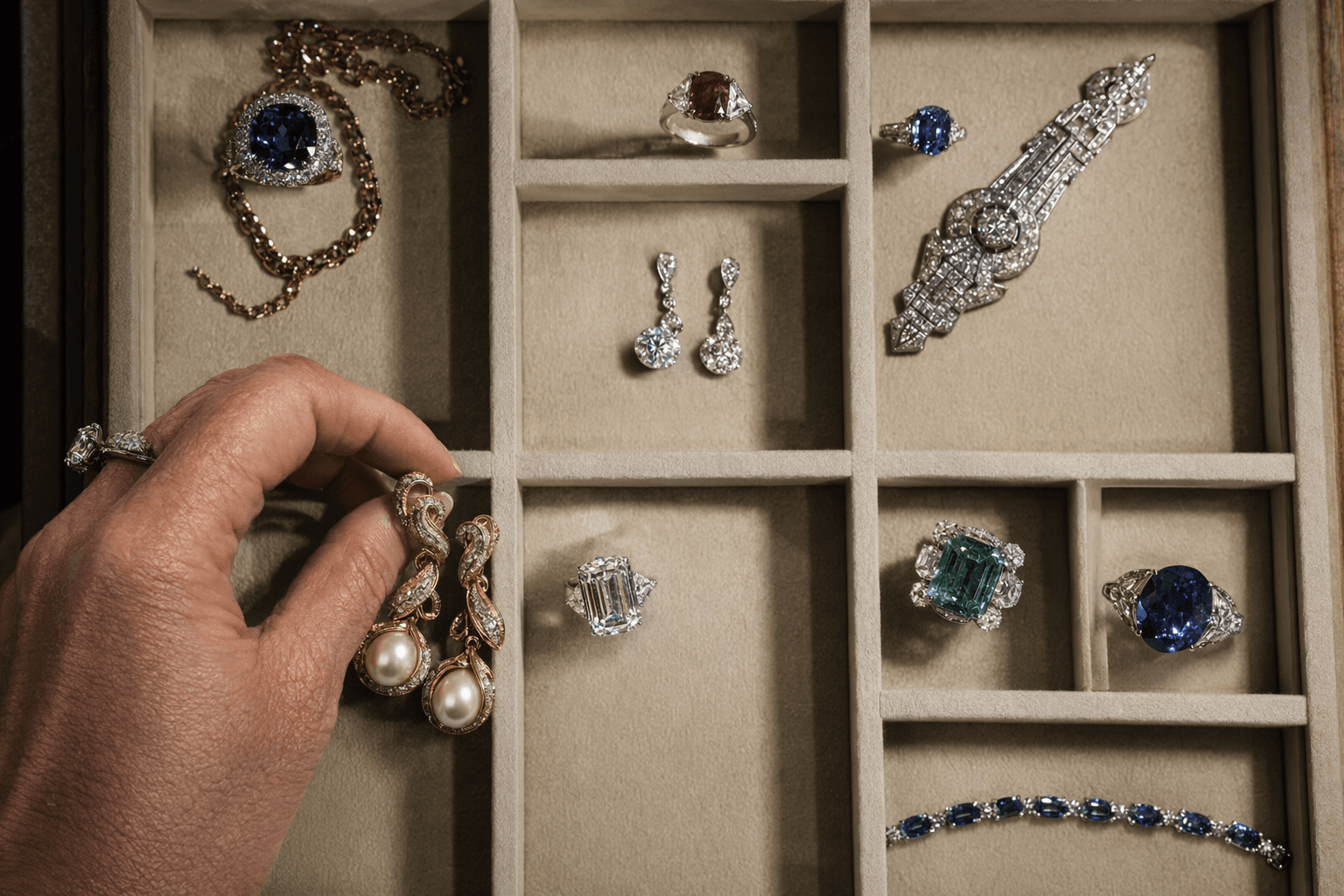
The clearest takeaway for anyone browsing auctions, estate sales or inherited jewel boxes was the appetite for untreated gems. Non-oiled Colombian emeralds, Kashmir sapphires and unheated Mozambique rubies were among the most sought-after stones, a reminder that the market still puts a premium on natural integrity and on the paperwork, expertise and trust needed to prove it. In practical terms, the pieces to scrutinize first are those whose appeal is not dependent on treatment or marketing, but on intrinsic rarity and a verifiable origin.
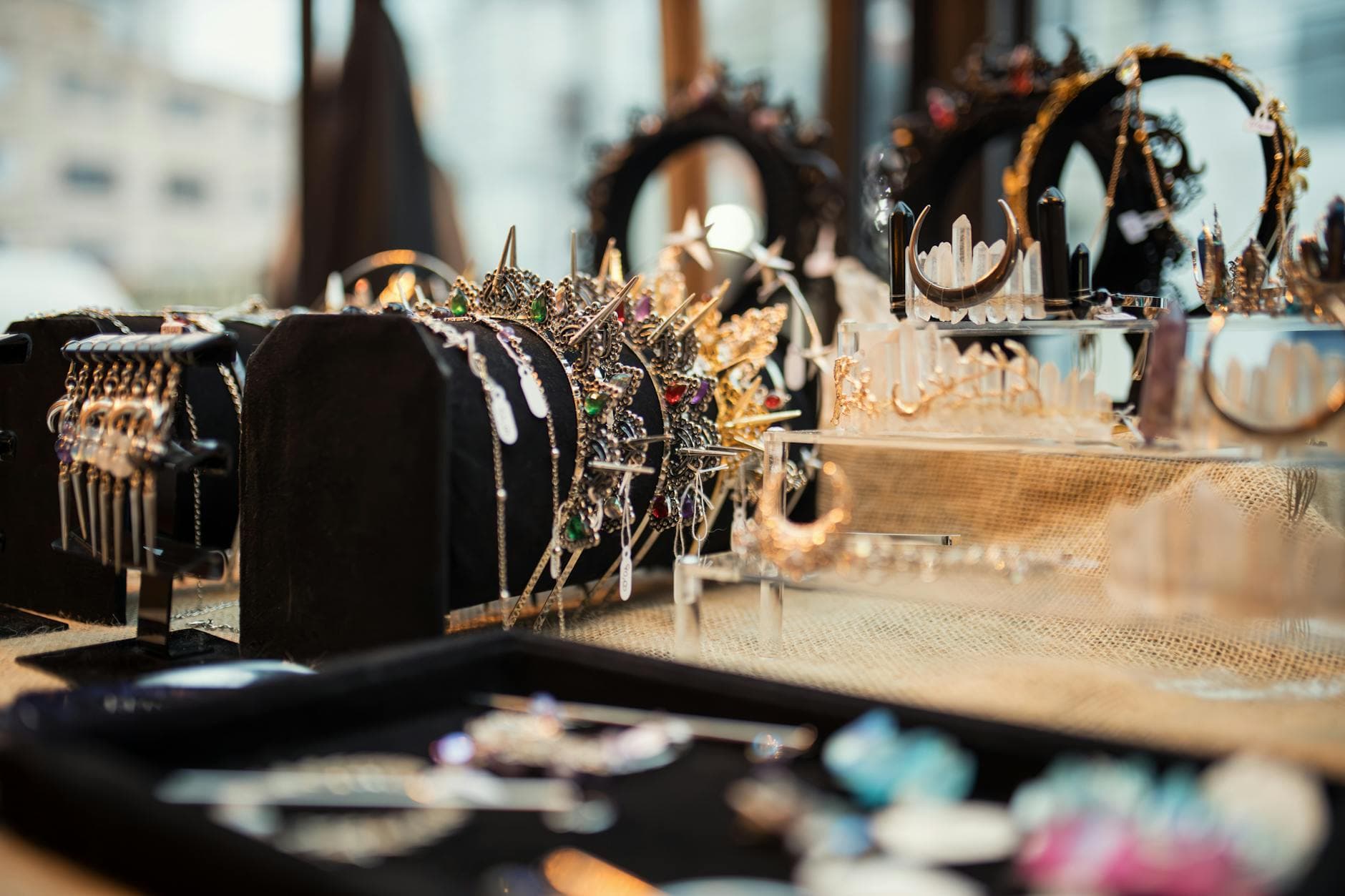
GemGenève also made a case for looking beyond the obvious center stone. Its temporary exhibition, Shaping Matter, Enhancing Beauty, brought together more than 100 loaned objects from institutional and private collections, with materials ranging from jade, horn, onyx and agate to coral and amber. Loans came from the Baur Foundation Museum of Far Eastern Art and the Museum of Art and History of Geneva, and the selection moved fluidly from cameos to nephrite vases from the Qing dynasty, intaglio prints and Art Deco nécessaires. That breadth pointed to a wider collector shift: the most interesting vintage jewelry is increasingly the work that blurs ornament, craft and cultural object.
For readers hunting in antique cases and family drawers, the lesson is simple. Pay attention to period materials that once seemed secondary, especially horn, amber and coral. Look harder at pieces with intact settings, original mounts and signs of scholarly handling, because provenance now carries real weight. And do not overlook the fair’s broader educational programming, from workshops to panel discussions and the Designers’ Village, where three New Designers and five Emerging Talents signaled that jewelry’s future still depends on preserving hands-on knowledge. GemGenève’s record crowd did not just confirm demand; it showed that the most valuable pieces are the ones collectors can explain.
This article was produced by Prism’s automated news system from verified source data, official records, and press releases, then run through automated quality and moderation checks before publishing. The system is built and supervised by the people who set the standards it runs under. Read our full AI policy.
Did this article answer your question?