How to buy and sell vintage jewelry with confidence
Read the clasp, the shank, and the hallmarks first. The smartest vintage buyers use wear, repairs, and provenance as proof, then decide when to buy, hold, or sell.
Start with the evidence in the metal
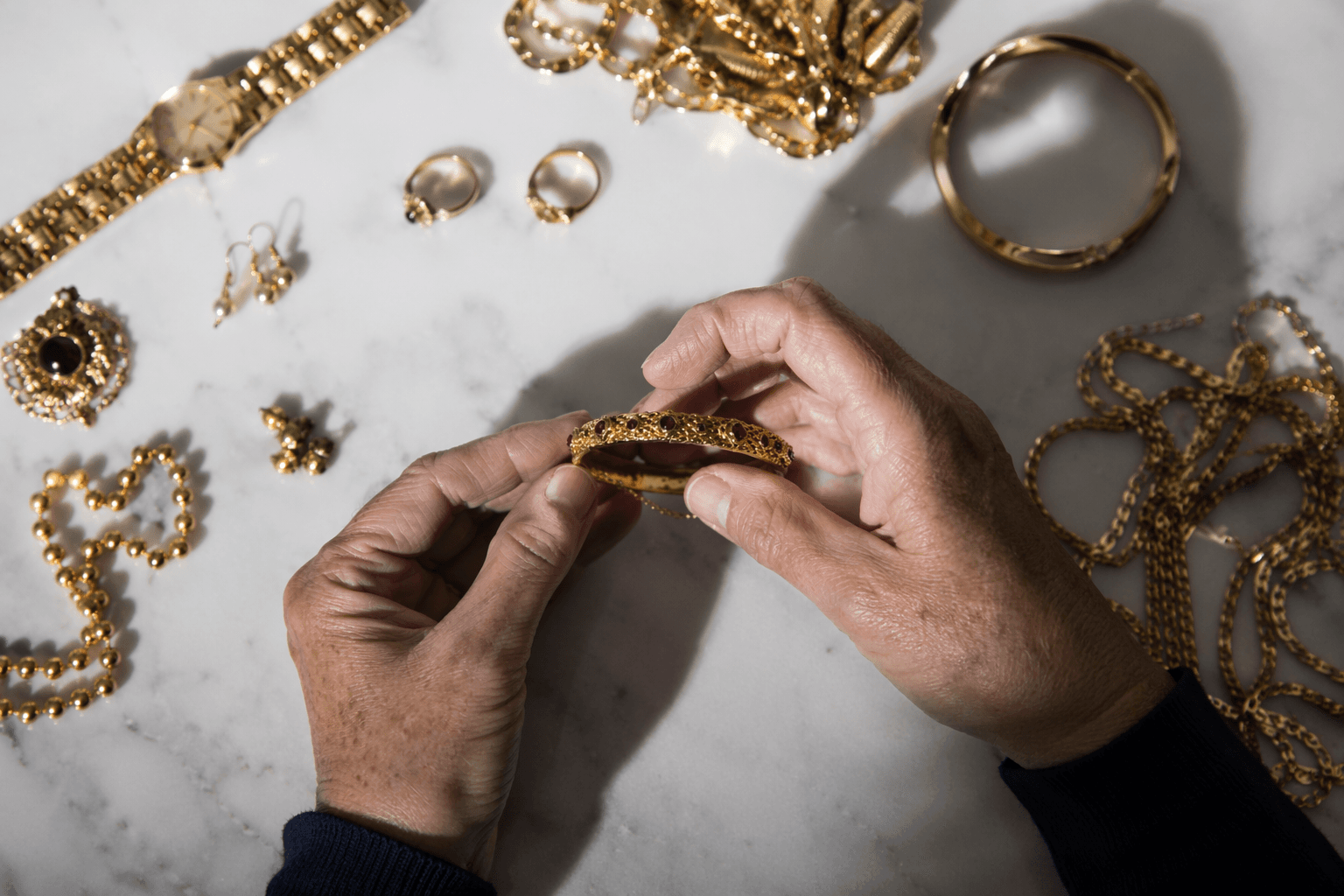
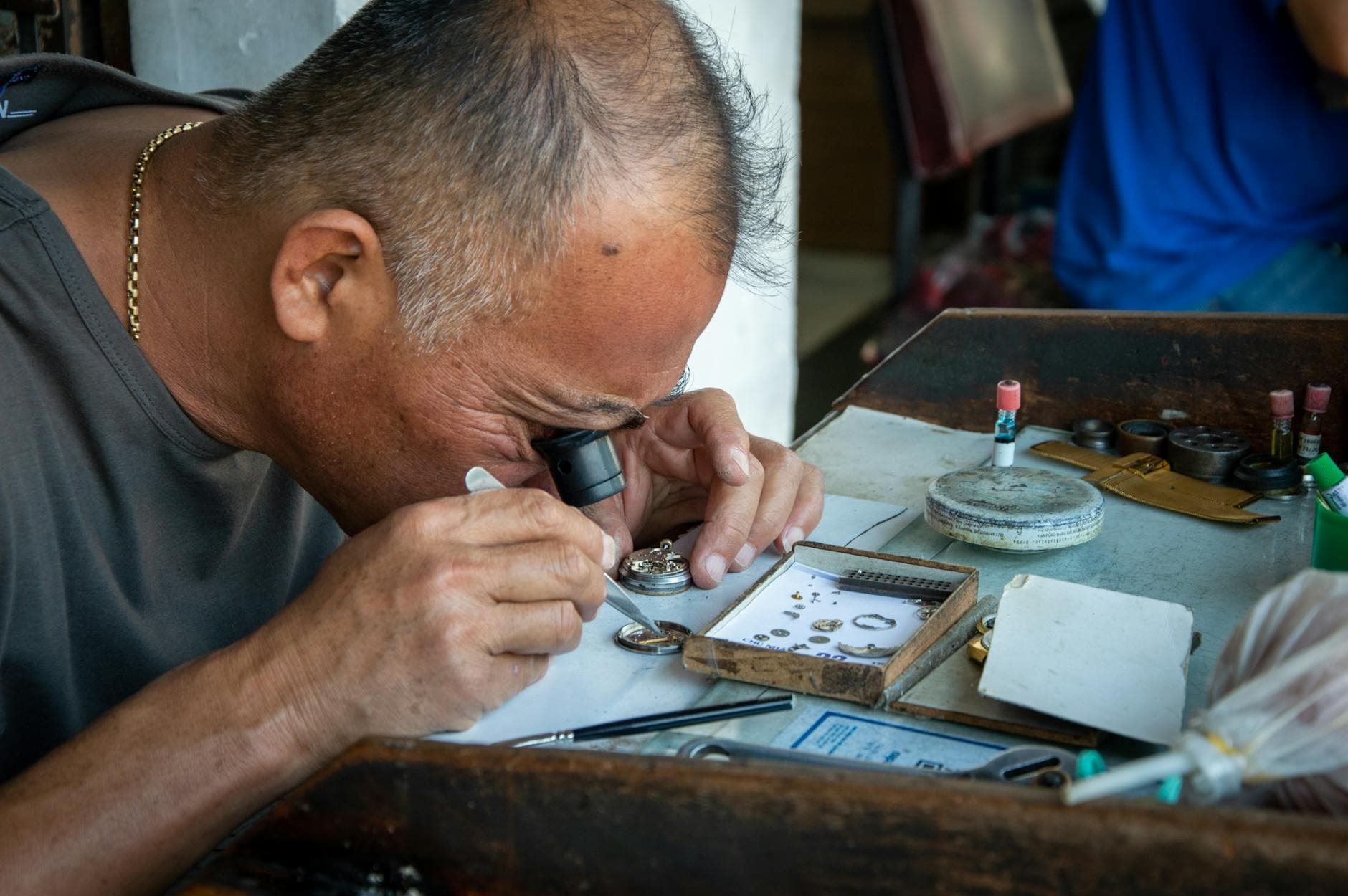
A vintage ring rarely hides its age for long. The marks tucked inside a band, the clasp pressed into a brooch, the solder at a hinge, and the wear along a shank are all metadata, a paper trail written in gold, platinum, and silver. That is the real lesson behind the recent National Jeweler and Jewelers of America conversation with Cathy Calhoun, Lauren Levy, and Julie Thompson: the market rewards people who read jewelry as evidence, not decoration.
Begin by naming the piece correctly. Vintage jewelry is at least 20 years old but less than 100, while antique jewelry is more than 100 years old. That distinction matters because it shapes price, rarity, and how hard you should press for documentation. A jewel that merely looks old is not automatically old, and a style that borrows from another era can still be a modern reproduction.
Date the piece before you price it
Dating begins with construction. A bezel setting, where metal fully hugs the stone, often tells a different story from a prong setting, where claws expose more of the gem. A hand-finished bezel with soft wear around the edge reads differently from a crisp modern mount that mimics age but lacks it. The same is true of ring shanks, brooch hinges, and safety catches. If the hardware looks too perfect, too bright, or too mechanically uniform for the supposed era, pause.
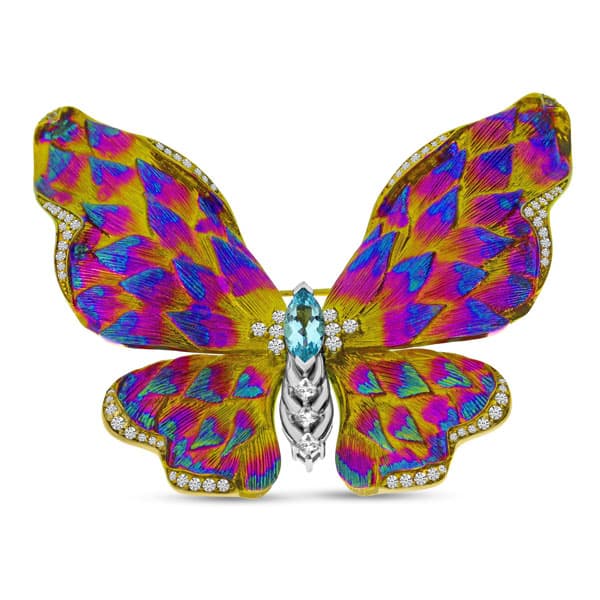
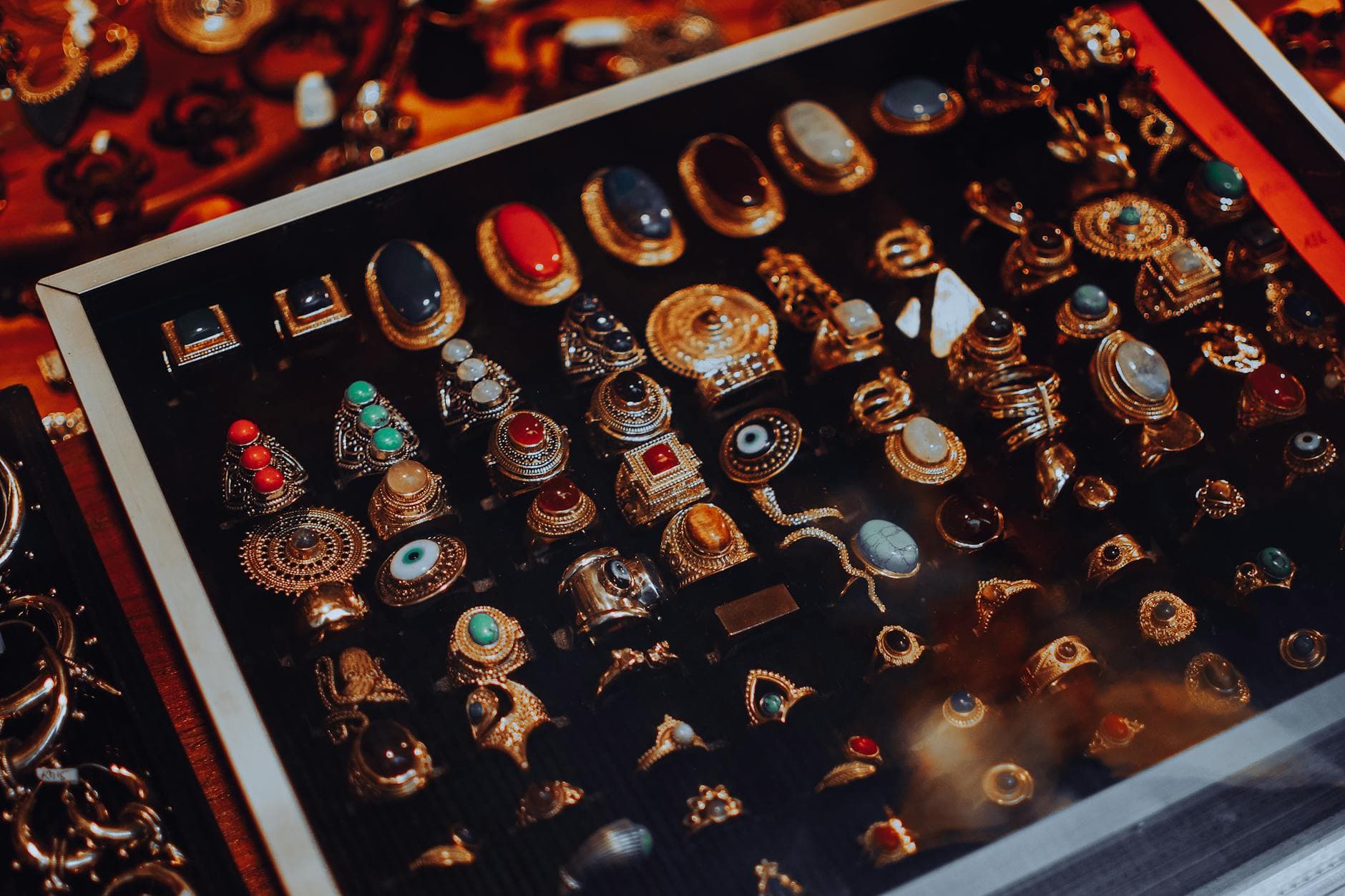
Use the style language of the piece as a guide, not a verdict. The market is active across antique, Art Deco, mid-century, contemporary, and wearable-art jewelry, and that range makes one mistake common: assuming a dramatic design automatically belongs to the period it evokes. A Deco-inspired bracelet can be decades younger than a true Art Deco original. Compare the cut of the stones, the quality of the setting, the engraving, and the weight of the metal. In older pieces, the handwork often feels intimate rather than stamped out.
At a show such as the Las Vegas Antique Jewelry & Watch Show, scheduled for May 30-June 2, 2024, that eye for detail becomes the difference between confidence and costly optimism. Arrive ready to inspect the underside of a piece, not just the top. The best dealers expect questions about hallmarks, repairs, and age, because serious buyers know that the back of a jewel often tells the truest story.
Spot reproductions before they become expensive mistakes
Collectors lose money when they mistake age for authenticity, or rarity for value. The most common errors are simple: buying on style alone, ignoring evidence of repair, skipping a written description, or assuming every old-cut diamond is original to the mounting. The Gemological Institute of America advises checking pre-owned jewelry for dents, deep scratches, missing stones, and signs of repair such as unusual solder joints. Those flaws do not always make a piece undesirable, but they do change its price and its place in the market.
A quick field checklist helps:
- Examine hallmarks, maker’s marks, and purity stamps inside bands, on clasp backs, and near hinges.
- Look for mismatched wear, where one part of the jewel shows a different age than the rest.
- Study solder seams and prong tips for signs of later alteration.
- Check whether stones sit naturally in their settings or seem forced into replacement mounts.
- Ask whether any stones are original to the piece, then ask again in writing.
Reproductions often betray themselves in the details collectors overlook. A modern clasp may look secure but feel out of character. A replacement stone may be well matched in color but cut to a different rhythm than the surrounding gems. A newer shank on an older ring can be practical, but it should be disclosed. The goal is not to reject every repair; it is to understand whether the piece remains honest.
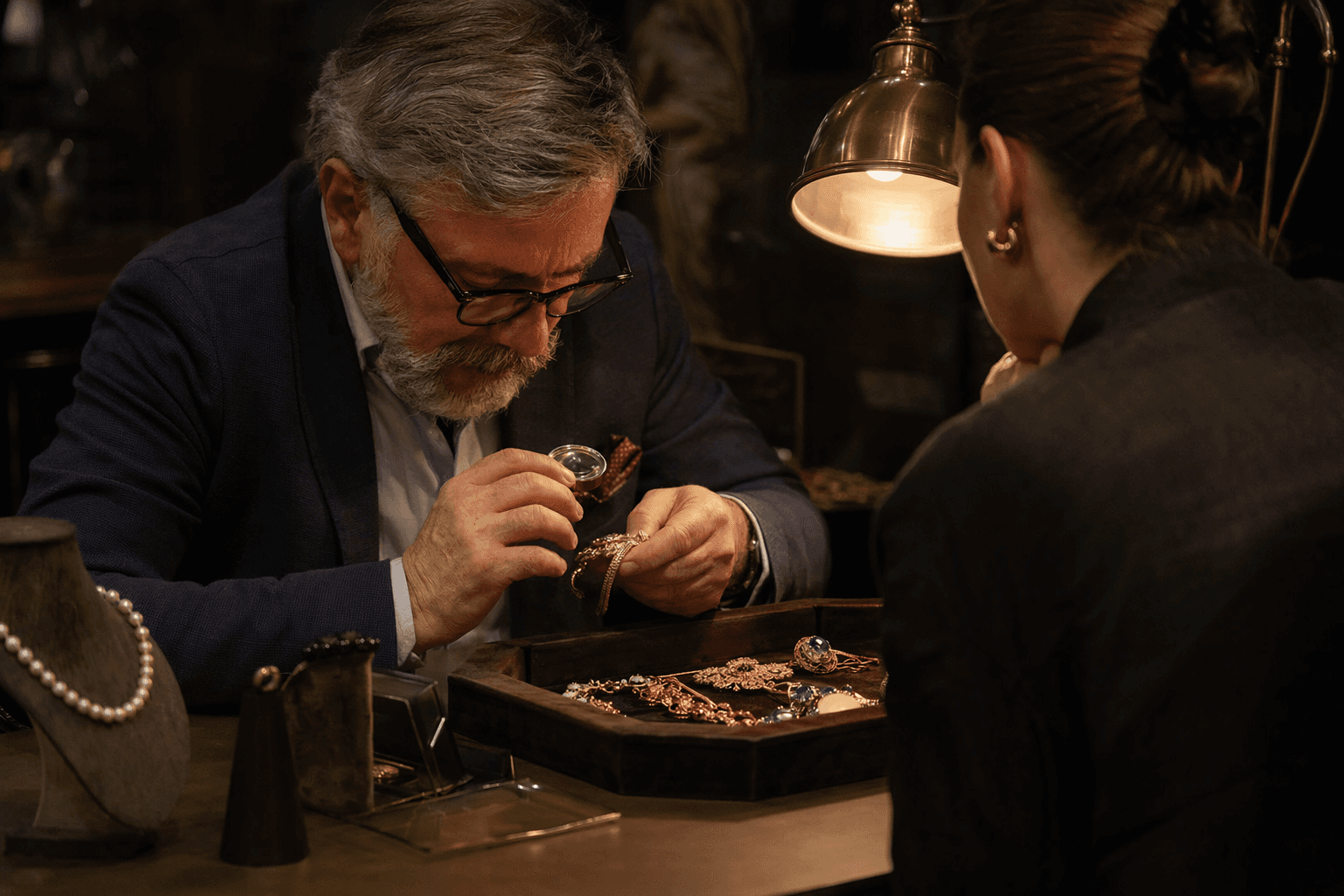
Ask provenance questions like a historian, not a tourist
Provenance is not just a romantic extra. It can support value, especially when a jewel is tied to a documented maker, a known collection, or a period with strong collector demand. Ask where the piece came from, who owned it, whether there are old photographs or receipts, and whether any work has been done by a reputable jeweler. If the seller cannot answer, treat the absence of information as information.
For diamonds and colored stones, ask for an independent lab report when possible. GIA specifically recommends that buyers secure a receipt with a written description, materials, and approximate age, plus an independent report when gemstones are involved. That paperwork matters whether you are buying from an estate sale, a dealer appointment, or a major trade event. It is also the fastest way to preserve resale value later, because a jewel without documentation often has to be discounted to compensate for uncertainty.
This is where the market has become more favorable to informed buyers. Sotheby’s says antique jewelry has moved well beyond a narrow collector niche, helped by red-carpet visibility and archival-fashion interest. It also reported that after Taylor Swift debuted an old mine cut engagement ring in 2025, searches for similar antique-cut diamonds jumped 10,000% overnight. That kind of demand does not erase the need for caution; it makes discernment more valuable, not less.
Know when to buy, hold, or sell
Buy when the object is beautiful, the construction is sound, and the story is credible. Buy when the style fits your collection, the condition is honest, and any repair has been disclosed and priced accordingly. Hold when the piece is promising but incomplete, such as a jewel needing a lab report, a restoration estimate, or a better provenance trail. Selling too soon often means leaving money on the table.
The resale market supports that discipline. The RealReal’s 2024 Luxury Resale Report named fine jewelry the highest-growth category that year, with sales and customers up 22% and 17%, respectively, for jewelry priced at $5,000 and above. That suggests strong appetite for quality, especially at the upper end, but it also underscores a rule that never changes: the better documented the jewel, the easier it is to move.
For sellers, auction can be the right stage when the piece has breadth as well as beauty. Bonhams says it holds more than 80 dedicated jewelry auctions a year across London, Paris, New York, Los Angeles, Hong Kong, and Sydney, and its jewelry team works with qualified gemologists and a broad collector network across 22 countries. That kind of reach is especially useful for antique, Art Deco, mid-century, and wearable-art pieces, where the right buyer may not be in your immediate circle. Cross-marketing with other luxury categories can also widen the audience, which matters when a piece is more singular than mainstream.
The collector’s final filter
The best vintage purchase is not the cheapest one, and the best sale is not always the fastest one. Read the marks. Inspect the clasp, the shank, and the underside. Separate original fabric from later repair. Demand a receipt with specifics, and a lab report when stones are part of the story. Then decide whether the jewel belongs in your collection, your drawer, or the market.
Confidence in vintage jewelry comes from treating every piece like an archive you can hold in your hand. Once you learn to read the evidence, the market stops feeling opaque and starts looking exactly like what it is: a conversation between craft, history, and proof.
Know something we missed? Have a correction or additional information?
Submit a Tip