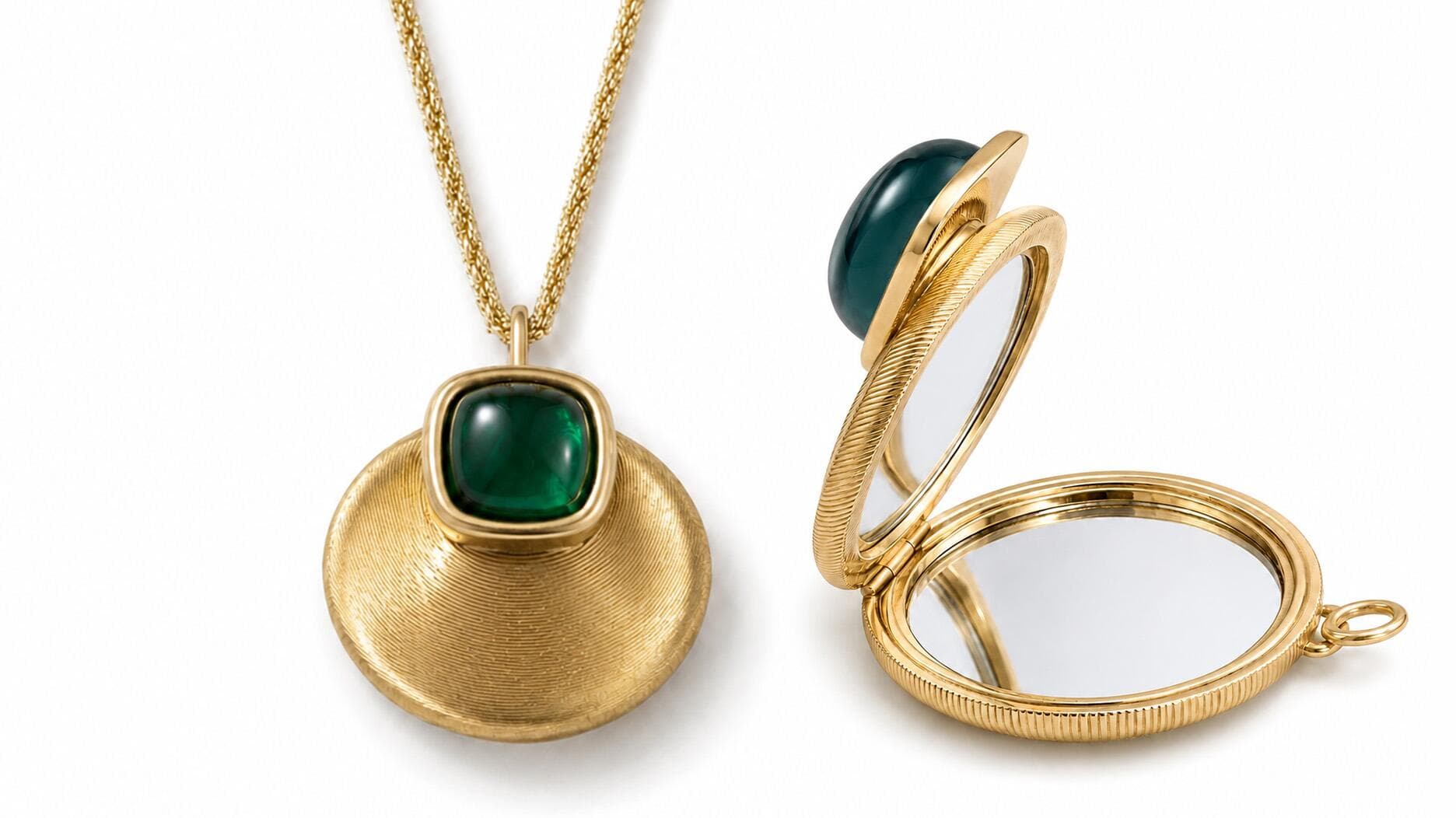
How to Preserve Vintage Jewelry, Care, Provenance, and Original Details
The smallest hallmarks can hold the biggest clues. Stop scrubbing, re-storing, and modernizing heirloom pieces before they lose their story.
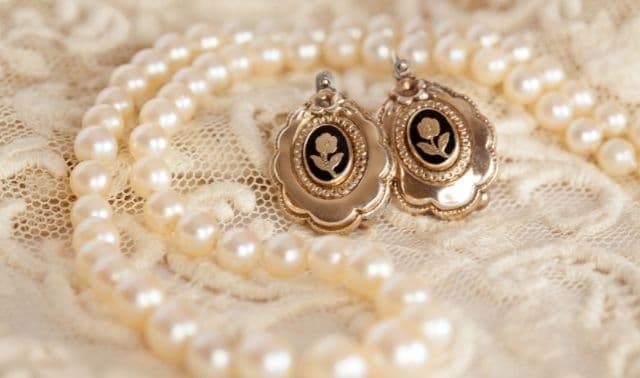
The small archive hidden in a ring, brooch, or pin
An inherited ring can look like decoration until you turn it over and find a date, a maker’s mark, or an engraving that reads like a private ledger. That is the real reason vintage jewelry deserves restraint: it is not only worn history, but evidence. The scratches, patina, and original parts can help preserve craftsmanship, provenance, and family memory all at once.
That means the first rule is not to improve the piece, but to protect the clues it carries. Overcleaning, harsh chemicals, and casual replacements can erase the very details that make a vintage jewel meaningful, especially when those details are small enough to vanish under one aggressive polish.
Stop overcleaning before you strip away the evidence
Vintage jewelry often needs less intervention than its owner thinks. A soft, careful wipe is safer than the kind of deep cleaning that can blur engravings, soften crisp edges, or remove surface character that helps date a piece. For pearls, the guidance is even stricter: never use an ultrasonic or steam cleaner, and avoid anything abrasive that could damage the surface.
Pearls can be cleaned occasionally with warm, soapy water, but they should be wiped with a very soft, clean cloth after wearing. That simple habit matters because pearls are among the most vulnerable materials in the jewelry box, and the stringing or mounting can be just as important as the gem itself. If a pearl strand is cleaned, the string must be fully dry before the piece is worn again.
The larger lesson is that shine is not always the goal. A heavily polished estate piece can look newer, but it may also look less honest, because polishing can flatten the subtle wear that proves age and use.
Store it like an object with a future
The Metropolitan Museum of Art treats storage as a conservation decision, not an afterthought. Its objects conservators make recommendations on ambient light levels, temperature, relative humidity, pest mitigation, storage conditions, and exhibition materials to minimize deterioration. That same logic applies to a jewelry drawer or safe at home: stable conditions protect more than sparkle.
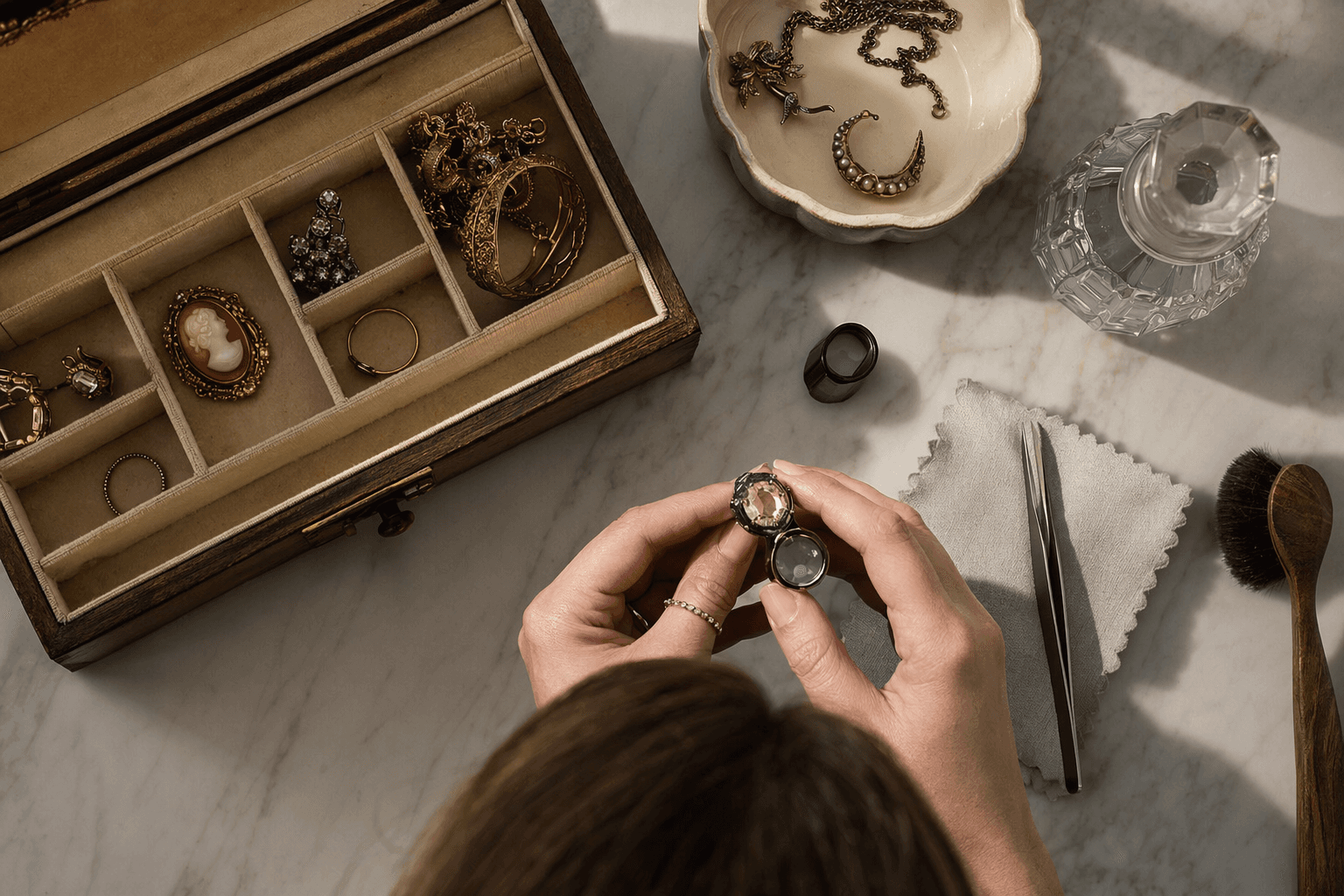
Keep pieces separated so chains do not knot and gemstones do not scratch softer metals or stones. Avoid tossing multiple items into one box where clasps, prongs, and engraving edges can rub against each other. If a piece includes textile, hair, or other organic elements, think even more carefully about light, heat, and humidity, because those materials age differently from gold, silver, or platinum.
The Met’s preservation manual, The Care and Handling of Art Objects, was first published in the 1940s and is still updated, which says something important about the field: good preservation is not trendy, it is disciplined. The same principles that protect museum objects can protect a family heirloom from becoming a damaged object with no readable history.
Keep original components whenever possible
The most tempting mistake is also one of the costliest: replacing a broken clasp, shank, or mount with something modern because it is quicker. Family Tree Magazine recommends replacing broken clasps with suitable vintage pieces to maintain historical integrity, and that distinction matters. A period-appropriate repair keeps the object legible as a period object.
Original components tell you how a jewel was made and worn. A hand-finished clasp, an old hinge, or a mount with period construction can be as informative as a gemstone. When a repair is necessary, ask whether the work will preserve the piece’s profile, function, and visible age, or whether it will make the jewel look freshly manufactured and sever its link to the past.
The same caution applies to engraving and finishing. Do not buff away inscriptions to make a surface look cleaner. Do not replace a worn original setting unless a specialist has determined that conservation, not cosmetic improvement, is the safest path.
Read the engravings before they disappear
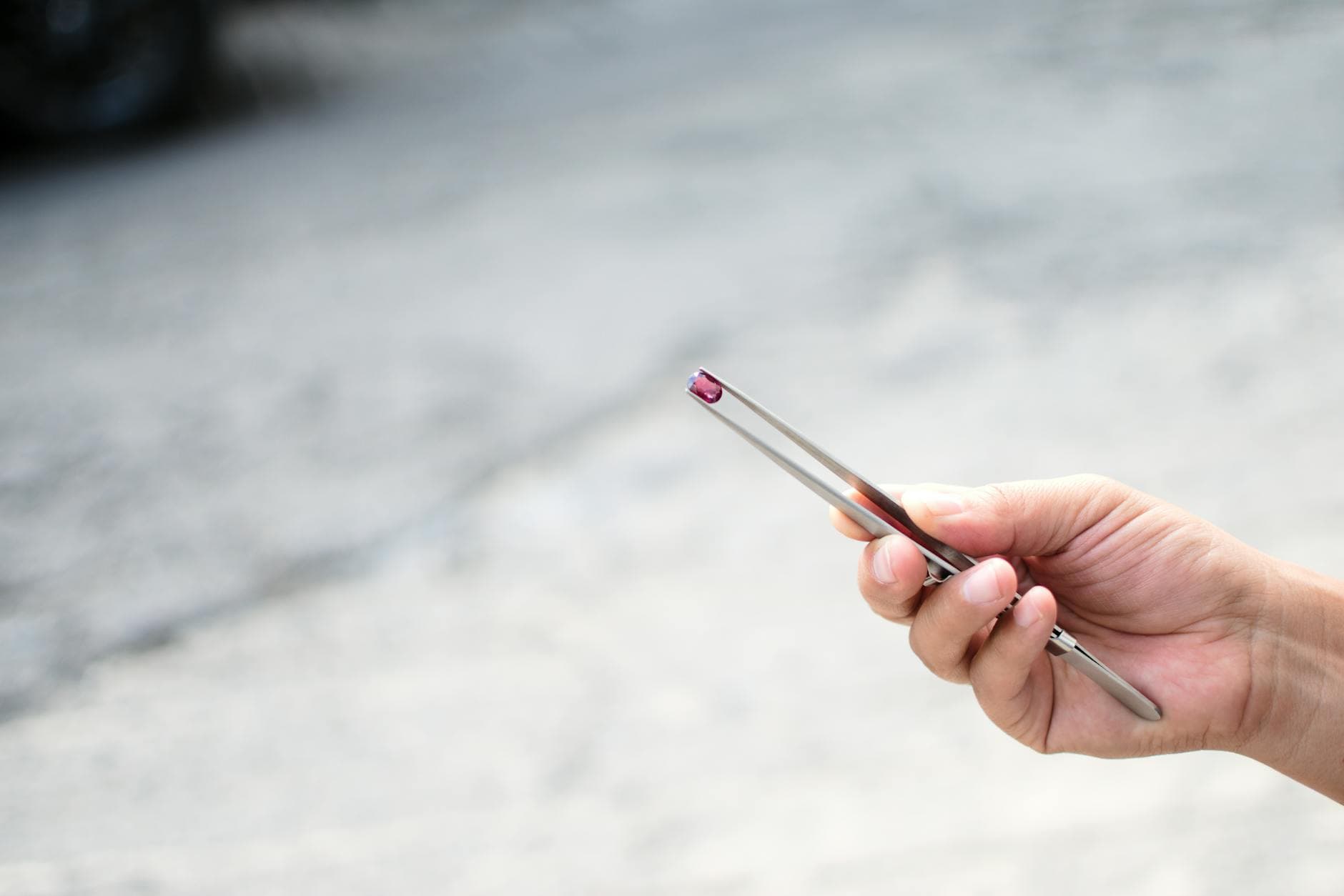
Provenance is often hiding in plain sight. Family Tree Magazine advises photographing heirloom jewelry and recording who owned it, a simple step that can save a story even if the object is later damaged or passed on. It also recommends examining engravings on watches, brooches, fraternal organization pins, wedding rings, and charms with a magnifying glass or jeweler’s loupe.
That advice is practical and almost forensic. A tiny inscription can confirm a gift, a date, a relationship, or a membership in a group that gives the object historical context. A watch case, a wedding band, or a charm bracelet can become a small archive if you document what you see now, before cleaning or wear obscures it.
This is especially important for jewelry with emotional and period-specific meaning. Smithsonian Magazine notes that hair jewelry was popular for hundreds of years before going out of fashion around 1925, which reminds you that some heirlooms are not only beautiful but culturally specific. If you own a piece like that, its materials and form can say as much about the era as about the family that kept it.
When a specialist is worth the wait
Some repairs should not be rushed to a general jeweler with a polishing wheel and a quick fix in mind. If a piece has a delicate mount, fragile engraving, a broken antique clasp, or a material that is unusually sensitive, a conservator or an experienced vintage specialist is the safer path. The goal is not to make the item look new, but to make it stable without losing evidence.
For documentation, professional jewelry reports can be valuable. GIA report services can include photographs, metal testing, total item weight, and markings, and grading is performed only to the extent that the mounting permits. That limitation matters for vintage pieces, because settings can obscure details and a report must respect the object’s construction rather than forcing it into a modern template.
A report is not a substitute for provenance, but it can support it. Photos record condition, metal testing confirms composition, weight helps establish the physical profile of the piece, and markings can anchor it to an era, maker, or market.
Preserve the story, not just the shine
Vintage jewelry holds its value in layers: the metal, the stones, the workmanship, the inscriptions, and the evidence of the hands that owned it before yours. The safest approach is often the least dramatic one. Clean gently, store carefully, document thoroughly, and treat original parts as part of the design, not disposable hardware.
A piece that still reads clearly, from its hallmark to its patina, keeps its history intact. That is the quiet luxury of preservation: not perfection, but continuity.
This article was produced by Prism’s automated news system from verified source data, official records, and press releases, then run through automated quality and moderation checks before publishing. The system is built and supervised by the people who set the standards it runs under. Read our full AI policy.
Did this article answer your question?