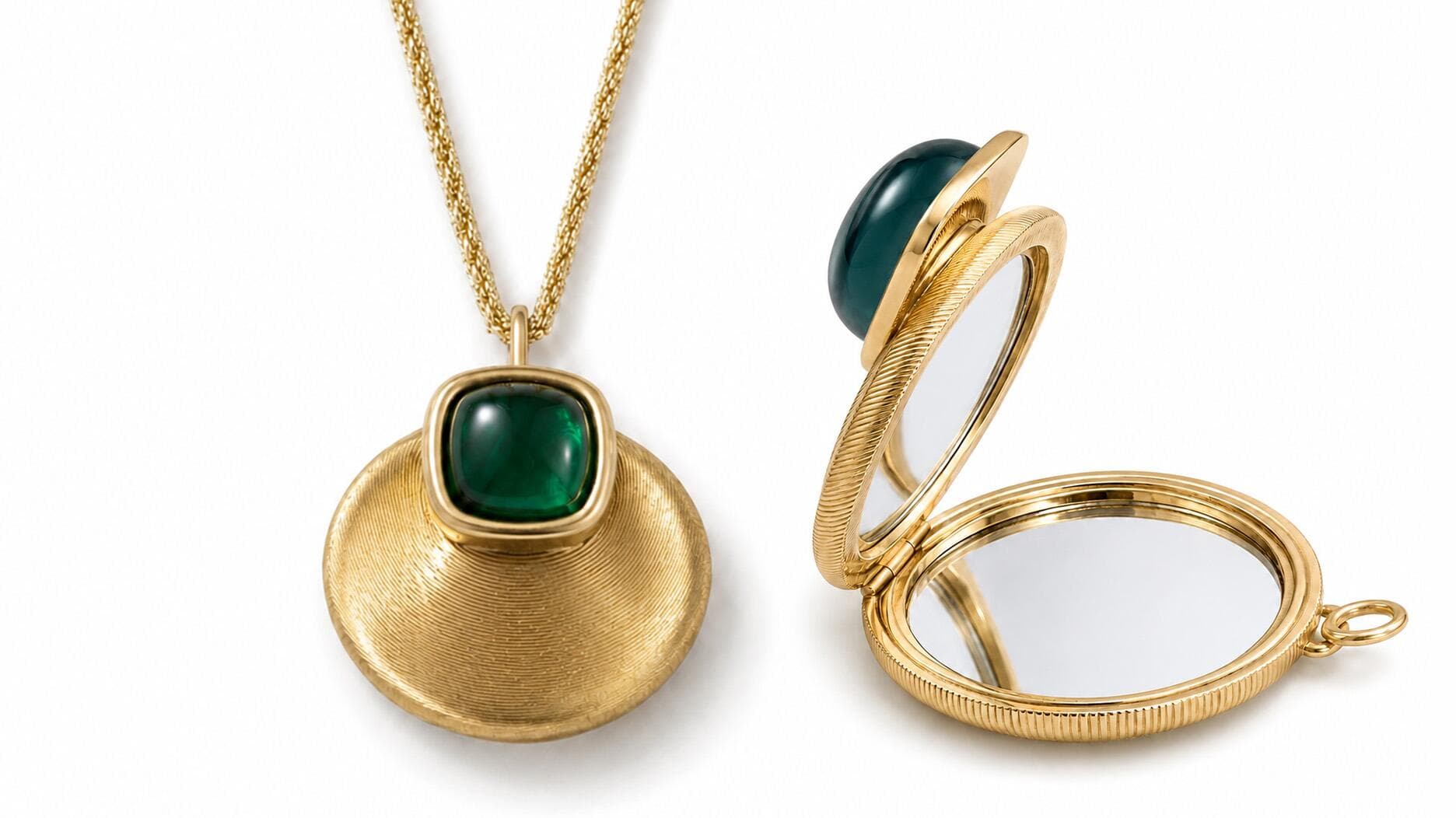
Modern Electrum revives ancient alloy for Chris Ploof debut collection
Chris Ploof’s first Modern Electrum pieces pair recycled gold, silver and palladium with a name that could muddy vintage resale labels.
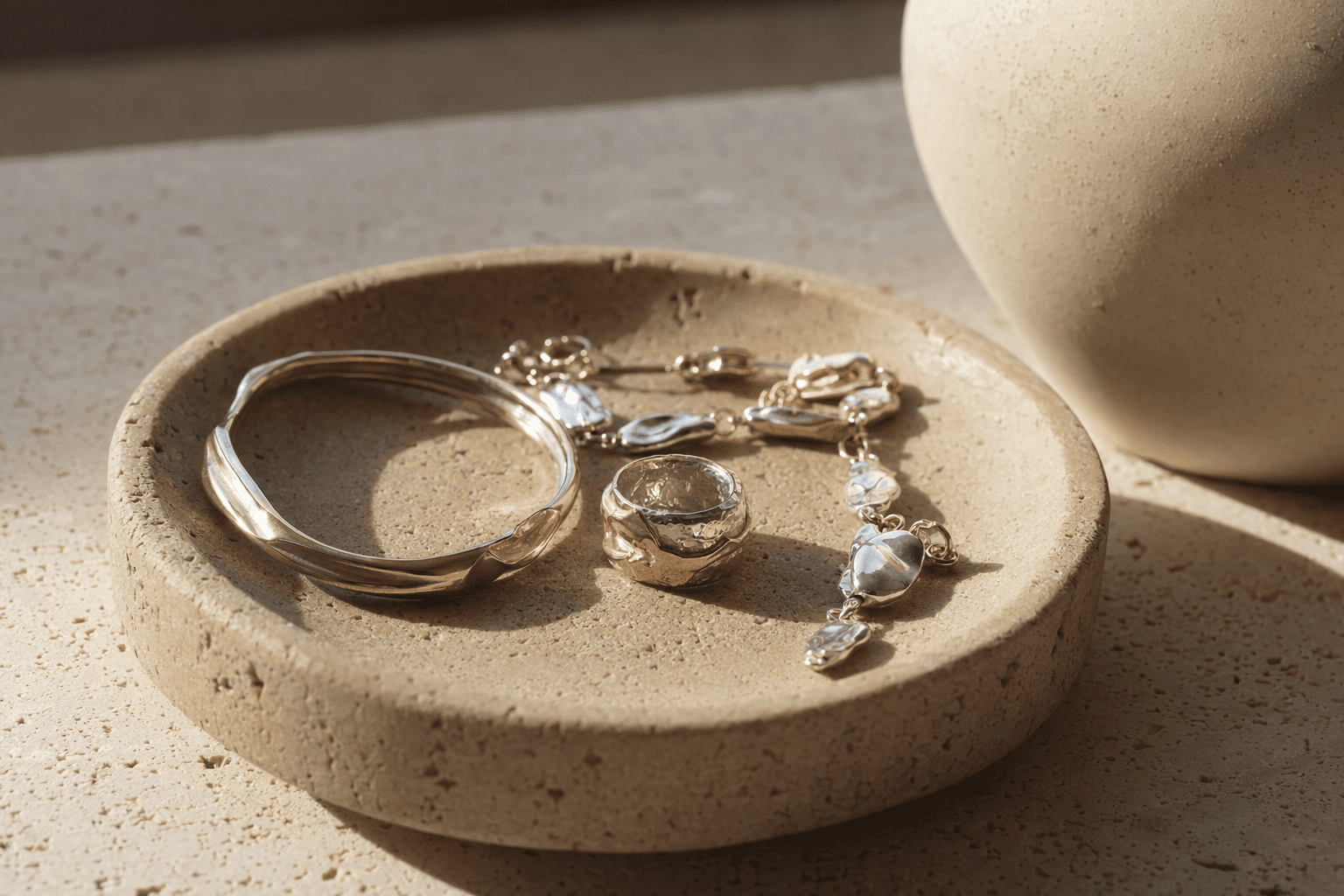
A band or brooch stamped with a new-metal name can look like a family holdover until the wording shifts under the loupe. That is the tension around Modern Electrum, the proprietary alloy Chris Ploof debuted in his first collection this month, with pieces priced from $935 to $2,195 and set with Diamonds de Canada fluorescent stones. The metal arrives with a revivalist story and a collector’s problem: it borrows the language of one of jewelry’s oldest alloys while belonging to a contemporary materials program.
Electrum mattered because it sat at the beginning of monetary history. Britannica defines it as a natural or artificial alloy of gold with at least 20 percent silver, and identifies Lydia in Asia Minor as the chief ancient source. The LBMA places the earliest Lydian electrum coins at roughly 600 to 625 BCE and says the river-bed alloy could run about 80 to 90 percent gold and 10 to 20 percent silver. That range matters. It shows ancient metallurgists were already adjusting composition to suit color, working properties, and value, long before modern marketing teams discovered the same allure.
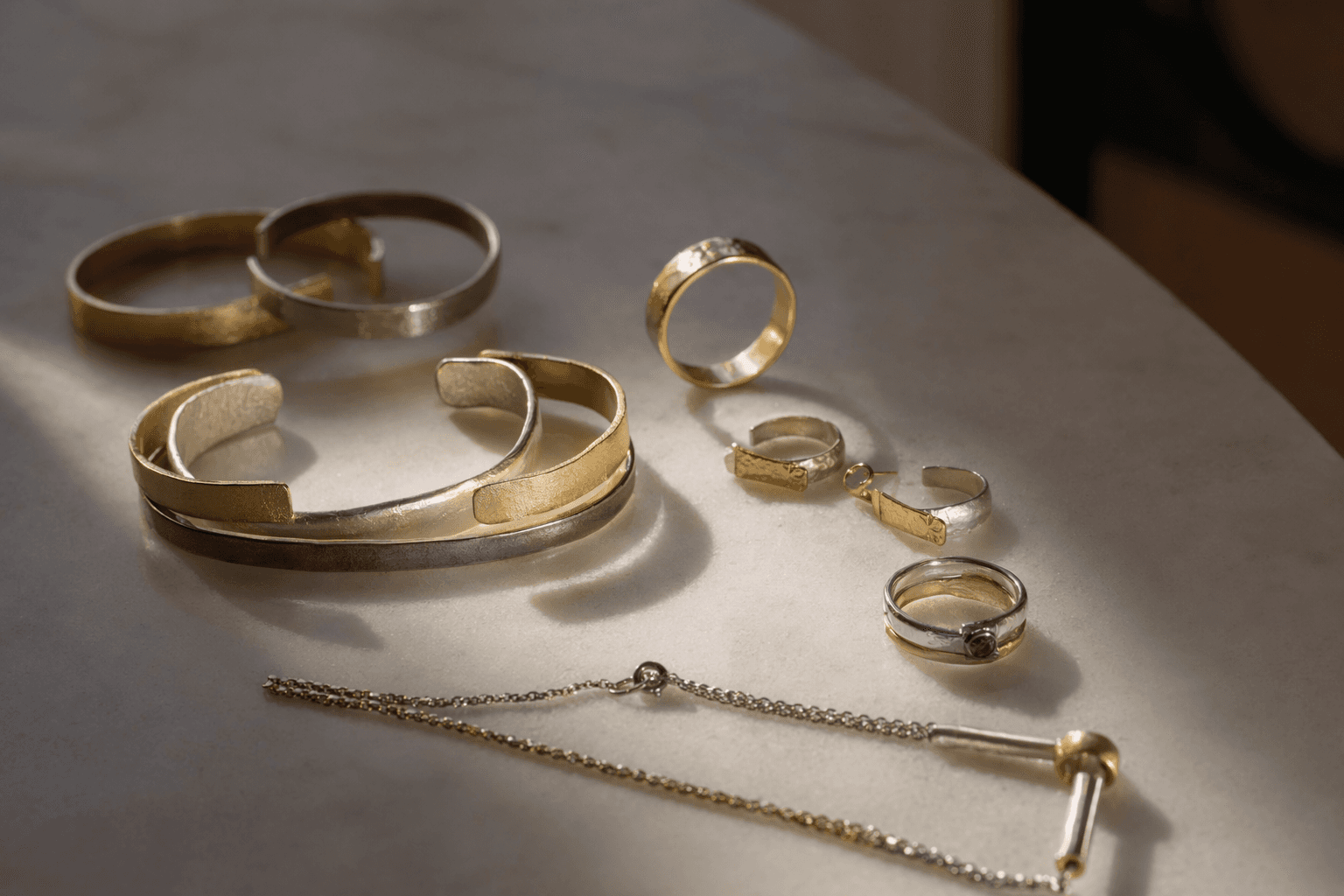
Legor describes Modern Electrum as an exclusive alloy of gold, silver, and palladium, made from certified recycled materials and produced with nickel-free, copper-free, cobalt-free, and cyanide-free electroplating cycles. The alloy was jointly developed by Legor Group S.p.A., Alessi Domenico S.p.A., and Diamonds de Canada, and first shown at the 44th edition of Oroarezzo in 2025. In a market still buffeted by gold prices, that positioning is smart: it promises a gold-like look, lighter weight, durability, oxidation resistance, and more consistent production, without pretending to be mined gold.
For vintage buyers, the decoding step is simple but crucial. If a listing says electrum, ask whether it refers to an ancient metal, a vintage reference, or a new proprietary alloy. Check where the stamp sits, inside a ring band, on a clasp, or near a maker’s mark, and ask for the exact composition in writing. A vague description can blur the line between archaeological reference and contemporary alloy, which is where resale value gets distorted. A true ancient or vintage electrum reference should be described with period, origin, and metal content. A modern alloy should be named as such, especially when the finish, not the age, is doing the selling.
This article was produced by Prism’s automated news system from verified source data, official records, and press releases, then run through automated quality and moderation checks before publishing. The system is built and supervised by the people who set the standards it runs under. Read our full AI policy.
Did this article answer your question?