Taylor Swift Engagement Ring Sparks Surge in Antique Diamond Demand
Taylor Swift’s ring turned antique diamonds into the season’s most talked-about bridal code, but the real story is how to spot the hand-cut originals.
The ring that made old stones feel newly urgent
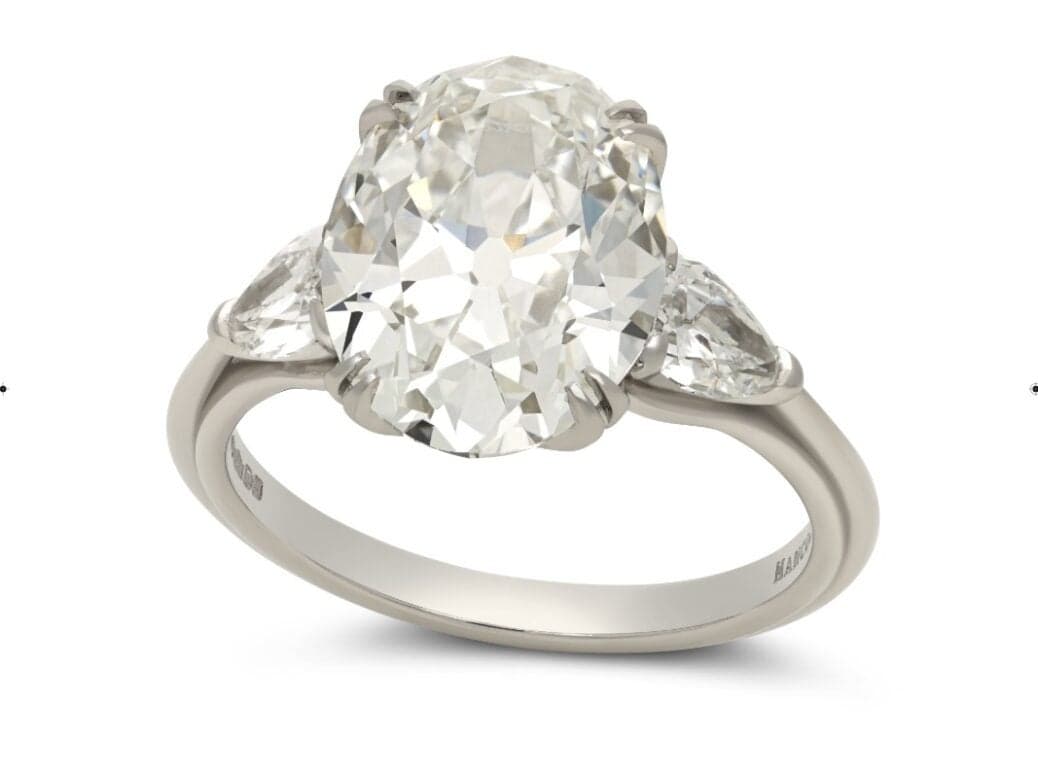
Taylor Swift’s engagement ring did more than dominate bridal mood boards. It pushed antique diamonds back into the center of the conversation, where collectors have always kept them, and where first-time buyers are now learning to look for handwork, history, and scarcity rather than symmetry alone. The ring was later described as a brilliant-cut old mine diamond set in a hand-engraved yellow-gold band, designed by Kindred Lubeck of Artifex Fine Jewelry, and that combination of glow and craftsmanship has become the shorthand for the trend.
The timing mattered. Swift and Travis Kelce announced their engagement on August 26, 2025, and the ensuing attention helped accelerate renewed demand for antique and old-mine cuts. By April 2026, Vogue reported that Lubeck was preparing to release a limited collection of engagement rings, wedding bands, and other fine jewelry, while later coverage linked her post-Swift visibility to a bridal collection featuring antique-cut diamonds. A single ring did not create the market, but it gave it a face everyone recognized.
What an old mine cut really is
The old mine cut is not a marketing adjective. The Gemological Institute of America traces it back to the 1700s and says it was the most common diamond cut until the late 19th century. These stones were measured by eye and shaped entirely by hand, designed to sparkle in candlelight rather than under electric lights, which is why they often look warmer, softer, and more irregular than modern brilliant cuts.
That hand-cut character is the point. Antique and vintage diamonds were made one at a time, not to match a computer model, and their small differences are part of their appeal. A true old mine stone usually feels alive in motion, with facets that flash unevenly and a silhouette that looks drawn by a person, not programmed by a machine.
How to tell a true antique from an antique-style reproduction
The easiest mistake is to assume that anything with a vintage look is actually vintage. Many contemporary rings borrow the language of the old mine cut, then pair it with modern manufacturing, so the setting may look historic even when the diamond is newly cut. If the stone is too precise, too round, or too perfectly balanced, it may be antique-inspired rather than antique.
Look first at the stone itself, then at the mounting.
- True antique stones often show subtle asymmetry, because they were cut by hand, not calibrated to identical proportions.
- The facet pattern should feel distinctive rather than repetitive, with a softer, more open visual rhythm than a modern round brilliant.
- The band can tell its own story. Hand-engraved yellow gold, worn prongs, and faint stamps inside the shank are all clues that the jewel has lived a life before it reached you.
- Provenance matters. A credible dealer should be able to explain age, origin, prior alterations, and whether the stone has been recut to meet modern expectations.
If a jewel has a vintage-style setting but a diamond that looks exceptionally uniform, it may still be beautiful. It simply belongs to a different category. The distinction matters because value follows originality as much as appearance.
Why the supply is shrinking
The supply problem is real. Many antique diamonds have already been recut to suit modern tastes, which means the pool of original stones has steadily thinned. The best-preserved examples, the ones that retain their antique proportions and hand-cut personality, are harder to find every year.
That scarcity is part of why the market feels so charged now. Rachel Boston and Hancocks managing director Guy Burton both emphasized rarity and quality in coverage following the Swift surge, and their point is central: not every old stone is desirable to collectors, but the right one can be exceptional precisely because so few have survived intact. In an era when much of the bridal market prizes precision, antique diamonds offer the opposite pleasure, a jewel that still carries the imprint of a specific hand and a specific time.
What rarity does to price
The GIA says antique and vintage engagement rings can range from under $1,000 to more than $100,000, and that span tells you almost everything about the category. Age alone does not determine value. Size, condition, cut, provenance, and the quality of the mounting all matter, as does whether the stone has been altered from its original shape.
That wide price range also explains why buyers can be seduced by the idea of an antique ring without understanding what they are paying for. A modestly priced old stone may be appealing if it retains charm and wear, but the most collectible examples command premiums because they are both scarce and well preserved. In antique diamonds, originality is not an abstract virtue. It is the engine of price.
Why the trend feels different from the lab-grown era
Part of the antique-diamond comeback is emotional, but part of it is market fatigue. In a landscape crowded with laboratory-grown diamonds and highly standardized stones, antique cuts offer character that cannot be mass-produced. They suit buyers who want a ring to look inherited, not newly minted, even when it is freshly purchased.
That helps explain why antique diamonds now read as both romantic and corrective. They answer the hunger for sustainability by reusing what already exists, and they answer the desire for individuality by refusing perfect sameness. A mined stone bought today may still carry the environmental questions of new extraction, but an antique diamond does not ask for another hole in the earth. It already exists, waiting in an estate vault, a dealer’s tray, or a family drawer.
What to know before you chase the trend
If you are drawn to this category, buy with your eyes open and your priorities clear. The strongest antique rings do not simply look old; they preserve enough of their original identity to matter.
- Favor stones with clear documentation or a dealer you trust.
- Study the setting as carefully as the diamond. Hand engraving, period-appropriate metalwork, and signs of age support the story.
- Expect irregularity. In antique diamonds, charm and authenticity often live in the uneven details.
- Compare the asking price against age, condition, and rarity, not against the cost of a modern round brilliant.
The smartest way to shop the trend is to understand that antique diamonds are not a style so much as a record. Swift’s ring made that record visible to millions, but the appeal has always been there: a hand-cut stone, a band engraved by hand, and a jewel that feels less manufactured than remembered. In a market increasingly shaped by precision, the antique diamond’s greatest luxury is its refusal to look new.
This article was produced by Prism’s automated news system from verified source data, official records, and press releases, then run through automated quality and moderation checks before publishing. The system is built and supervised by the people who set the standards it runs under. Read our full AI policy.
Did this article answer your question?