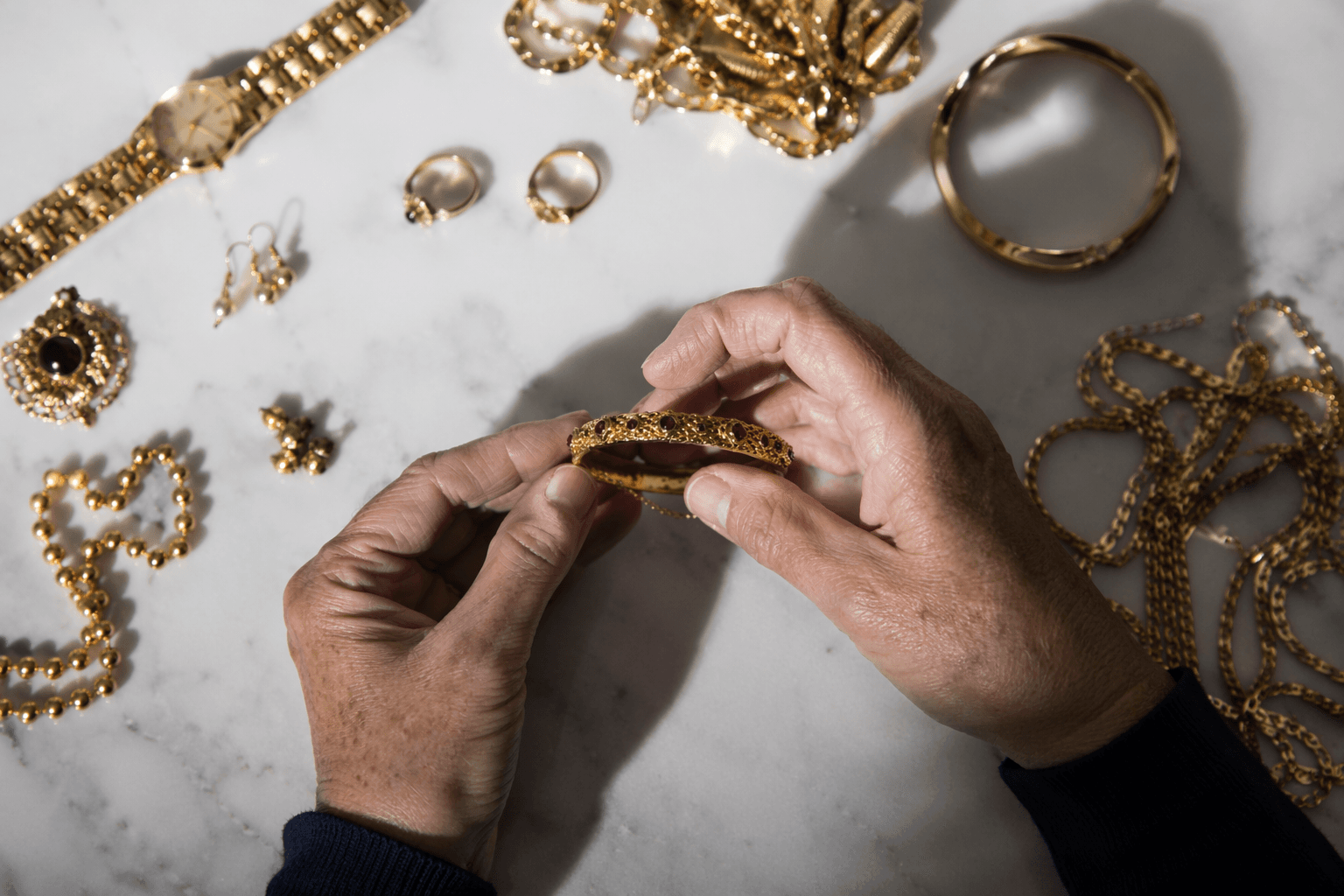
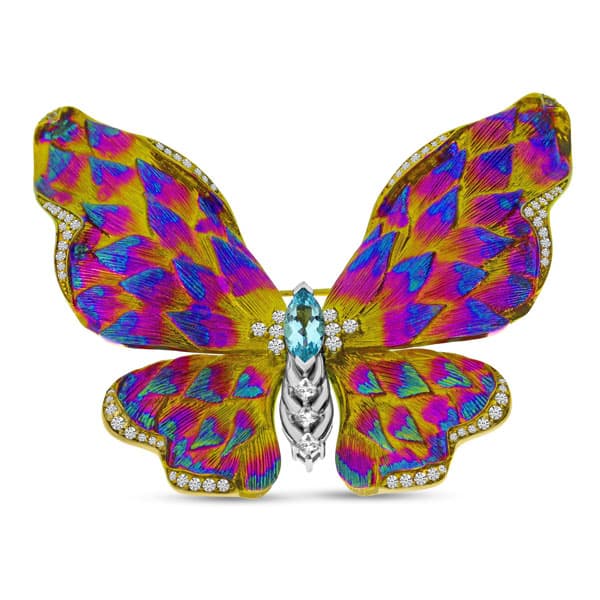
Vintage jewelry returns to retail as sustainability drives demand
Vintage jewelry is back because buyers want proof, not just patina. The best pieces balance verifiable age, strong construction, and enough wearability to stay in circulation.
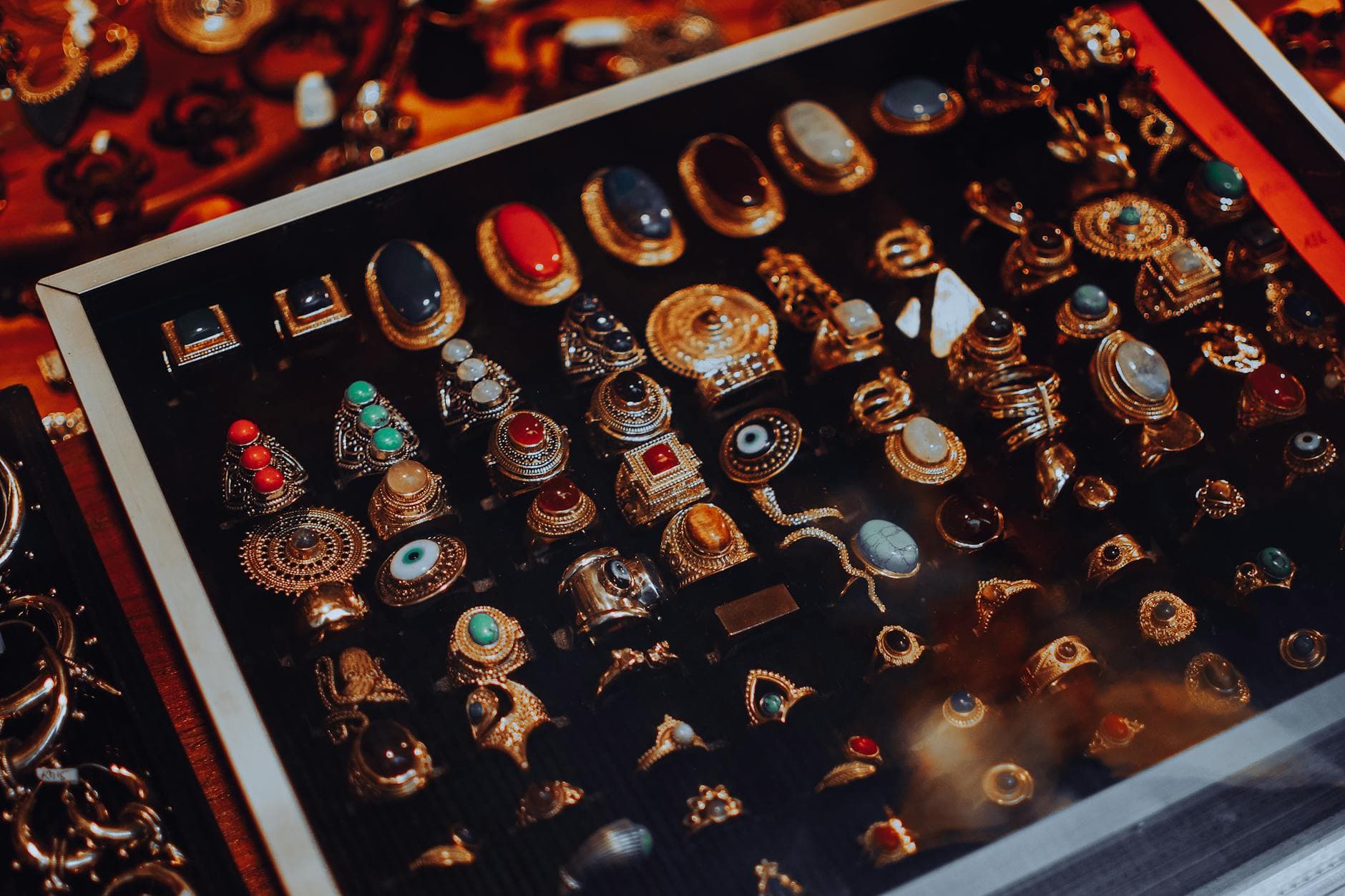
Why vintage is back in the case
Vintage jewelry has returned to retail not as a novelty, but as evidence. A ring with softened corners, an estate brooch with a replaced pin stem, or a tiny hallmark inside a band can tell you more about origin and value than any polished display card ever will. That is part of the appeal JCK has long made for pre-owned jewels: they are style-rich, but they also reuse already mined and sourced materials, which gives them a real low-impact edge over newly manufactured pieces.
The sustainability message lands because shoppers are listening. Bain & Company says roughly 60% of consumers globally reported increased concerns about climate change over the past two years, and that shift has made reuse sound less like a niche ethic and more like common sense. In jewelry, where extraction and refining are energy-intensive, the case for buying something that already exists is especially persuasive when the piece is beautiful enough to keep wearing.
There is also hard industry math behind the circular-economy argument. The Responsible Jewellery Council cites PwC data showing that about 50% of annual gold production, or 2,000 tonnes, is used in watch and jewelry making, yet only 25% of the gold used in that sector is recycled. That gap is exactly why vintage and estate pieces matter: they keep precious metal in circulation instead of sending buyers back to the mine.
How to verify that a piece is genuinely vintage
The first question is not whether a piece looks old, but whether its details match the era it claims. In trade language, antique jewelry is commonly defined as at least 100 years old, so age is the first filter. A genuine Victorian cluster ring, for example, should not read like a 1970s revival piece, and an Art Deco bracelet should show the sharper geometry and cleaner line work associated with the 1920s rather than a later copy of that style.
Hallmarks, maker’s marks, clasp construction, stone cuts, and metal color all help tell that story. A seller who cannot explain why a piece belongs to a period should not be asking a collector to pay a period premium. The best vintage buy is not just old-looking jewelry, but jewelry whose construction and design language align with the century it claims.
Historical context helps here too. The Metropolitan Museum of Art notes that the American jewelry industry grew from small workshops into factories in the 19th century, moving from handcraftsmanship toward mechanized production. That shift matters because it changed what jewelry looked like, how it was made, and how much of it survived. By the 1920s, the cool elegance of Edwardian fashion had given way to Art Deco glamour, and the Met points out that new materials, inventive designs, and craftsmanship helped turn jewelry into a highly marketable art form.
What to inspect before you buy
A piece only earns its place in a sustainability-minded collection if it can be worn, repaired, and resold. Beautiful damage is still damage. Before buying, look closely at the points that fail first: prongs, shanks, hinges, clasps, pin stems, safety catches, chain links, and any solder joints where a repair might already have been made.
- Check whether a ring band has thinned at the back, especially on everyday pieces that have been worn for decades.
- Look for uneven stone height, which can indicate a replacement stone, a reset, or a setting that has started to loosen.
- Test clasps and closures carefully, because a brooch that will not stay fastened is not really ready for circulation.
- Study the patina, but do not confuse age with neglect. Surface wear can be charming; structural weakness is expensive.
The point is not to reject every repaired jewel. It is to separate honest restoration from hidden fragility. A well-restored Art Deco pendant can remain valuable if the work respects the original form, but a heavily altered piece with replaced components may lose both its historical integrity and its resale logic. Reuse only matters when the object can stay in rotation.
Why wearability matters as much as provenance
Collectors often talk about provenance, but wearability is what keeps provenance alive. A necklace that sits unworn in a drawer is not doing much for sustainability, no matter how glamorous its era. The pieces most worth buying are the ones that can survive repeated wear without constant intervention, because longevity is the real measure of low-impact luxury.
That is where design matters. Edwardian jewelers often favored delicate lace-like mounts, filigree, and lightness; Art Deco brought bolder geometry, calibrated symmetry, and materials that could handle stronger visual contrast. Those differences affect how a piece sits on the body and how often it can be worn. If a jewel is too fragile for regular use, its resale value may also suffer, because collectors increasingly prize pieces that can move easily from showcase to wardrobe.
Reading the eras with a collector’s eye
Victorian, Edwardian, and Art Deco pieces keep resurfacing because they offer distinct signatures, not just old age. Victorian jewelry often leans sentimental and richly detailed, while Edwardian work carries the lighter, airy precision that preceded the 1920s. Art Deco remains especially collectible because it fused new materials, inventive design, and a modern graphic spirit into forms that still read as current.
That durability of style is part of vintage jewelry’s retail comeback. Buyers are not just choosing recycled metal; they are choosing objects with clear period identity, visible craftsmanship, and enough structural integrity to remain relevant. In a market where climate concern is rising and recycled gold remains a small slice of sector supply, the best vintage pieces offer something rare: beauty that has already proved it can last.
The strongest buys are the ones with a legible past and a workable future, because in vintage jewelry, sustainability is only real when the piece can keep moving from hand to hand without losing its shape, its story, or its value.
Know something we missed? Have a correction or additional information?
Submit a Tip