Vintage jewelry sellers face AI appraisal battles over trust and pricing
AI printouts are showing up at the counter with inflated numbers, and a $28,400 watch appraisal can quickly test trust. Credible valuation has to separate resale, insurance, and estate value.

The trouble begins when a customer walks in with a printout that looks more polished than the person behind the counter. At Sterling & Co., Daniel arrives with an AI-powered appraisal that pegs a limited-edition luxury watch at $28,400, while senior appraiser Elliot authenticates the piece and values its fair resale price at $14,800. The store’s buy offer sits at $9,500, and Marissa is left to explain why three numbers, all dressed up as facts, can mean three very different things.
Why AI appraisals are colliding with human judgment
The AI report in the Sterling & Co. case comes with charts, predictive pricing curves, and automated resale forecasts, which is exactly why it feels convincing at first glance. It also misses current market nuance. A polished model can make a number look inevitable, but it still has to account for condition, demand, and the specific market where a vintage or estate piece actually changes hands.
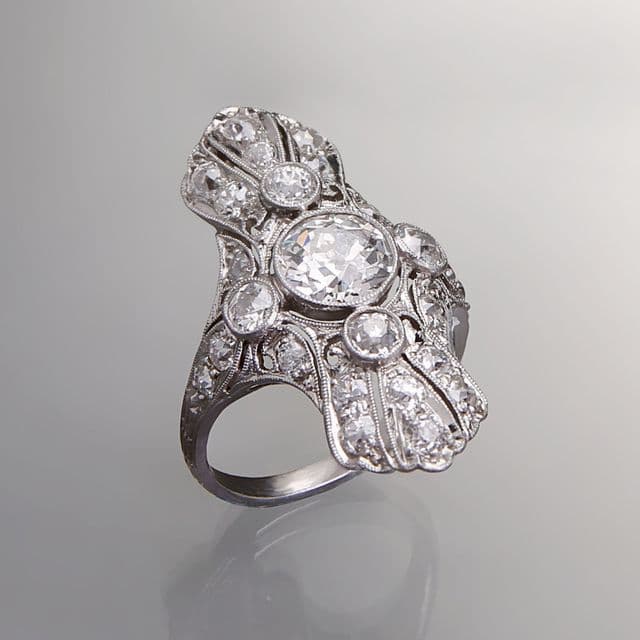
That gap is where vintage jewelry becomes especially vulnerable. Old rings, brooches, bracelets, and watches often carry changes that software can miss or flatten, from replaced stones and repairs to period-specific workmanship and missing paperwork. A machine can see a listing price; it cannot always read the history that shaped the piece’s present value.
The Sterling & Co. dispute ended with a one-star review after the customer insisted the AI figure, not the professional valuation, should prevail.
What a credible appraisal should actually contain
Jewelers of America defines a jewelry appraisal as an opinion of value built on visible, measurable, and analyzable facts, along with subjective factors such as rarity and quality. The document records why the piece is worth what it is and which value standard is being used.
The value standard is the first thing a serious appraisal should spell out. Under Jewelers of America guidance, most appraisals today are for insurance replacement, while fair market value appraisals are generally used for charitable donations and estate appraisals. Those are not interchangeable numbers. Insurance replacement is about what it would cost to replace the item, while fair market value is about what a willing buyer and seller might reasonably agree to in an actual market.
For a vintage or estate piece, the appraisal should also make room for the facts that determine whether the number is believable. That means the condition of the setting, the state of the stones, the workmanship, and any available documentation should all be accounted for in plain language. If a piece has been altered, repaired, or stripped of provenance, that uncertainty belongs in the report, because missing history can change value as much as visible wear.
The red flags behind inflated numbers
Inflated estimates often fail in the same way the Sterling & Co. AI report did, by presenting a final figure without enough explanation. A number that arrives with sleek charts but no clear basis for market comparison is a warning sign, especially when it lands far above a seller’s own assessment or a shop’s professional buy offer. At Sterling & Co., the spread between Daniel’s printout, Elliot’s valuation, and the buy offer is wide.
Jewelers of America calls intentionally over-valuing items on appraisals illegal under Federal Trade Commission guidelines and unethical. An inflated appraisal can cause damage in both directions. A seller may refuse a fair offer because the printout looks inflated. An heir may inherit a false sense of value. An owner may insure a piece for more than it could actually replace, then discover that the policy number was never grounded in market reality.
IRS Publication 561, updated in December 2025, is the federal reference point for general valuation principles on noncash property in income, gift, and estate tax contexts. It applies when a piece of jewelry is being divided, donated, or entered into an estate inventory. A made-up number can distort tax, inheritance, and charitable decisions that depend on fair market value.
How sellers can keep pricing honest
The best safeguard is to make the appraiser name the valuation standard before the number appears. If the goal is resale, the report should not be written like an insurance replacement document. If the goal is estate settlement or donation, it should not be dressed up as a retail fantasy. Confusion drops once the buyer, seller, and appraiser agree on what the number is supposed to do.
A serviceable appraisal for vintage jewelry or estate watches should leave a paper trail that a customer can follow later. It should explain the item’s identifying features, the condition that affects value, and the market logic behind the final figure. It should also make clear when the number is a fair resale value, when it is a replacement estimate, and when it is meant for estate or charitable use.
- Ask which value standard is being used before the appraisal is written.
- Ask what visible, measurable, and analyzable facts support the number.
- Ask whether repairs, alterations, or missing provenance were considered.
- Keep separate documents for resale, insurance, donation, and estate planning.
- Treat a polished AI output as a starting point, not a verdict.
This article was produced by Prism’s automated news system from verified source data, official records, and press releases, then run through automated quality and moderation checks before publishing. The system is built and supervised by the people who set the standards it runs under. Read our full AI policy.
Did this article answer your question?