ACRWD Seeks 1983-1988 Copper-Plumbed Homes for Free Lead and Copper Sampling
ACRWD seeks customers with copper plumbing installed Jan. 1, 1983–Dec. 31, 1988 to volunteer for free lead and copper testing, a public-health check for local taps.

The Adams County Regional Water District is asking customers to volunteer for required lead and copper sampling. Customers whose copper plumbing was installed between January 1, 1983 and December 31, 1988 are asked to volunteer; testing is offered at no cost, according to a public notice from the district.
The notice calls for volunteers in a campaign that could affect households across ACRWD’s service area, although the district’s full sign-up instructions and timeline were not included in the material released. The notice describes the effort as “required lead and copper sampling,” but does not specify which state or federal requirement, how many homes are needed, how residents should enroll, who will collect and analyze samples, or when results will be released.
Adams County Health Department materials placed the sampling in broader local water-quality context. The department notes that “Lead is a naturally occurring metal used in various products, including old water lines. While modern regulations ban lead in water pipes, some older homes may still have them.” ACHD also highlights other local concerns and remedies, writing that “These chemicals are found in various products and throughout the environment. They are often associated with negative health impacts. The good news is that there are options to reduce PFAS in water, including using specialized filters.” On mineral content, ACHD explains: “Water hardness measures the minerals that build up in water, including calcium and magnesium. Depending on the levels, you may notice a film on your hands or skin after washing.”
ACHD frames its ongoing work as aimed at restoring confidence in local drinking water, noting accomplishments including “securing funding to rebuild public trust in drinking water, providing education about PFAS, and distributing water filters to improve taste, odor, and safety.” The department also directs residents to monitoring resources: “You can look up water testing results to see what was found in the drinking water in your community. If your home is served by a private well, you may consider testing your water through a certified water testing laboratory.” In addition, ACHD posts a routine notice that “All public assistance programs are available to residents and are operating as normal.”
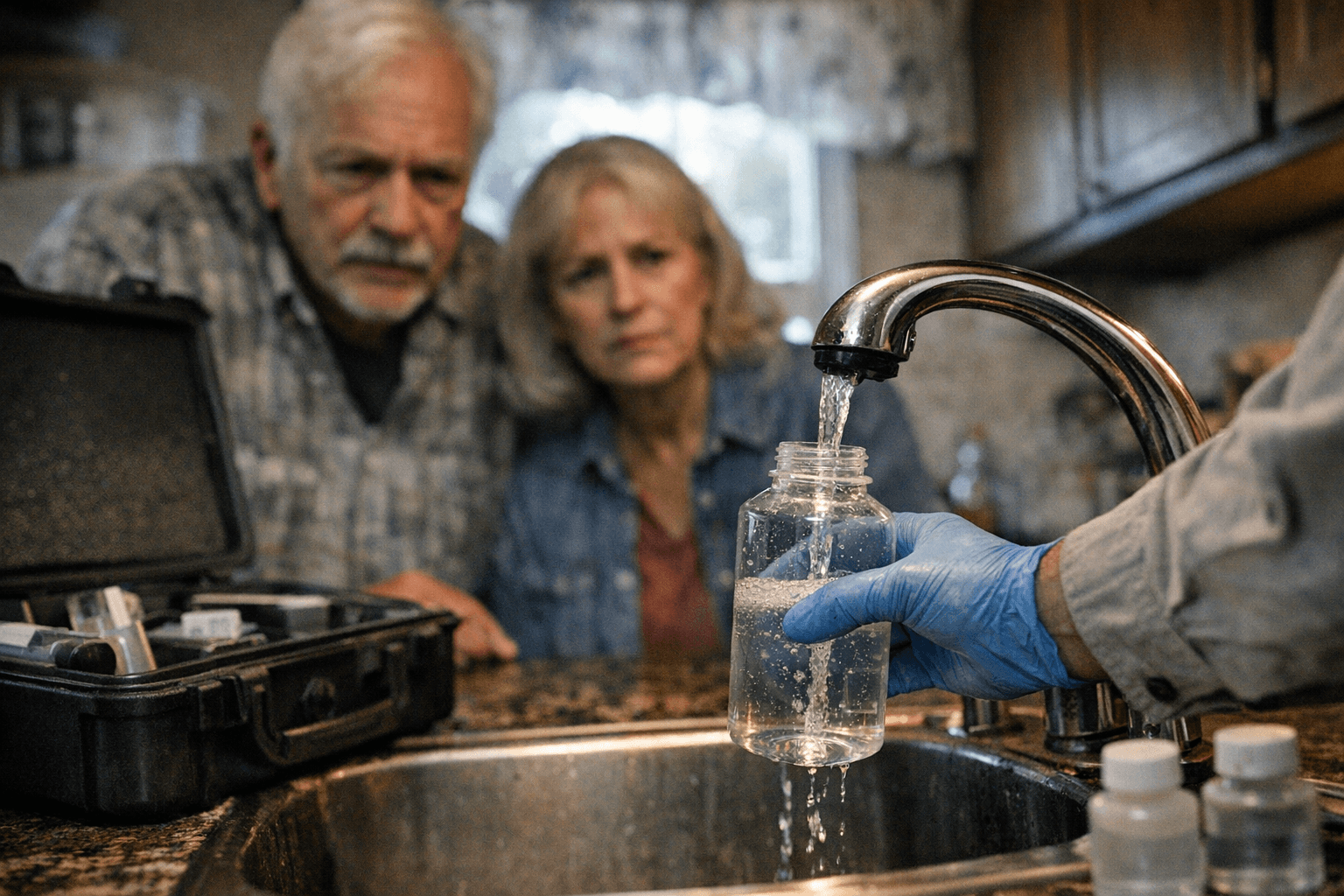
For Adams County residents whose plumbing falls in the 1983–1988 window, this is a no-cost chance to learn whether your household tap shows elevated levels of lead or copper. ACRWD customers interested in volunteering should contact the water district for the full public notice, sign-up instructions, the sampling schedule, and information about whether individual results will be shared and what remedies would follow elevated findings. ACHD’s “Your Water” resources offer background on contaminants and on filter options for PFAS and other issues.
This effort could shape local conversations about plumbing, filters, and system investments. Watch for ACRWD’s full notice and planned public meetings so affected households can sign up and stay informed.
This article was produced by Prism’s automated news system from verified source data, official records, and press releases, then run through automated quality and moderation checks before publishing. The system is built and supervised by the people who set the standards it runs under. Read our full AI policy.
Did this article answer your question?


