Adams County Heritage Center preserves 1835 church history in West Union
At 507 N Cherry Street, the Adams County Heritage Center turns a circa 1835 church into a place for family history and civic memory. It is the only surviving original ARP church in the region.
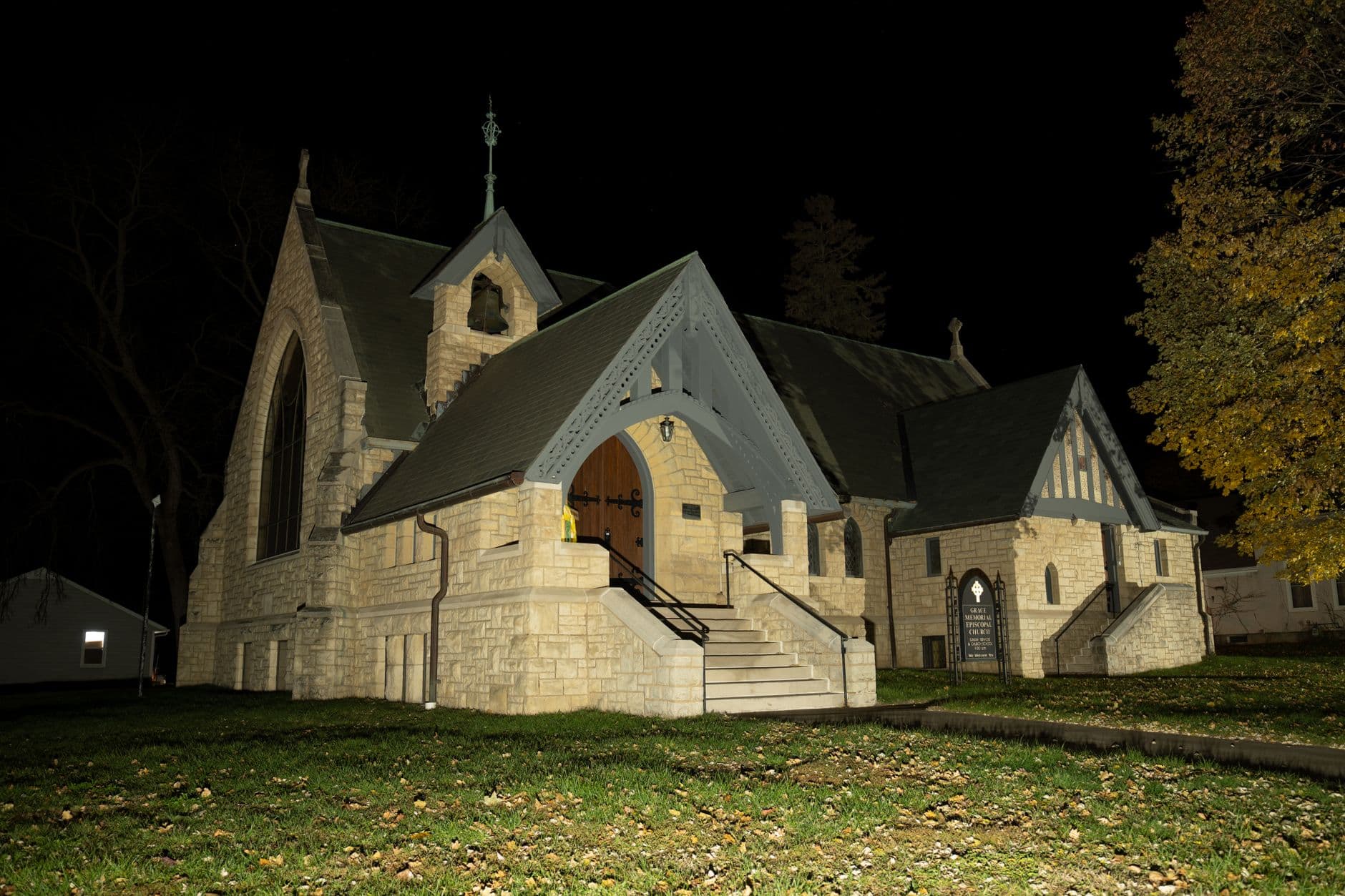
At 507 N Cherry Street in West Union, the Adams County Heritage Center sits inside a brick church erected around 1835, and the building still gives local families a recognizable place to connect names, records, and remembered stories. The congregation dates to 1812, the church served until 1895, and the structure now carries a second life as a county landmark rather than a forgotten relic.
A landmark built before modern tourism existed
The most important thing to understand about the Heritage Center is that the building itself is part of the history on display. The historical marker identifies the site as the former West Union Associate Reformed Presbyterian Church, and Adams County Historical Society material says the 1835 church is the only surviving original ARP church in the region. That makes the building rare in two ways: it preserves a local religious tradition and it preserves the physical setting where early Adams County residents gathered.
The dates tell the story of an early community taking shape long before heritage tourism, museum culture, or even the county’s modern institutions existed. The congregation was organized in 1812, then the church building rose about 1835, and the brick structure remained in use until 1895. That span gives West Union a visible link to more than a century of worship, civic life, and family memory.
The people and names tied to the site
The marker also identifies John Graham, 1798 to 1849, as pastor from 1841 to 1849. That places a named figure directly inside the story of the building and the congregation, rather than leaving the church history anonymous. The marker adds another local-history thread by noting that Graham erected the house he called Pleasant Hill, which ties the church to a broader landscape of homes, roads, and daily life in early Adams County.
These details matter because they help residents connect the site to specific names rather than to an abstract past. A church marker that names a pastor, dates a congregation, and records a family house gives visitors more than a preserved facade. It provides starting points for family research, local genealogy, and a better understanding of how West Union developed as a county seat community.
What the Heritage Center offers now
The Adams County Historical Society’s homepage points visitors to historical photos, a calendar of events, items for sale, contact information, and civic and research resources. That mix shows the Heritage Center working as a community-facing institution, not just a room of old artifacts. It is a place where you can look for a family name, check what is coming up, or use the center as a base for understanding county history.
Visitors who come to the Heritage Center now can use it in practical ways:
- Search for historical photos that may connect to local families, buildings, and familiar streets in West Union and beyond.
- Check the calendar of events for heritage programming and community activities connected to Adams County history.
- Use contact information and research resources to follow up on family names, church history, and county records.
- Browse items for sale that help support the work of preserving and interpreting local history.
That blend of preservation and public use is what makes the site useful to residents who care about their own family lines, not just about architecture. The center is built around the idea that Adams County history should be accessible in a place people can still find, visit, and use.
Why West Union is the right home for this history
West Union is the county seat, so the Heritage Center sits in the place where county memory naturally gathers. The county brochure from the Adams County Travel and Visitors Bureau describes Adams County as “The Third Oldest County in Ohio,” established in 1797, which puts the church and the center inside a county with unusually deep roots in the state’s development. Ohio county-profile data lists the county’s 2020 population at 27,477, a scale that helps explain why local memory, genealogy, and recognizable landmarks carry so much weight here.
In a county of this size, institutions like the Heritage Center do more than preserve objects. They help keep the story of West Union legible, especially for families tracing surnames, church ties, or property histories across generations. A preserved church building in the county seat offers something a database cannot: a physical place where the county’s past still feels rooted in the present.
How the church fits into Ohio’s religious history
The Heritage Center also fits into a wider Ohio story. The Ohio History Connection says Presbyterians arrived in the Northwest Territory by the late 1700s, and by 1803 they were one of the largest religious denominations in Ohio. That helps explain how an Associate Reformed Presbyterian congregation could take hold in Adams County in 1812 and eventually build a permanent brick church around 1835.
Seen against that backdrop, the Heritage Center is not an isolated curiosity. It reflects the early spread of organized religion, settlement, and community building across southern Ohio. The site’s endurance makes those broader patterns easier to see in one place, especially for residents who know West Union as the center of county life.
The result is a landmark that still serves a civic purpose. It preserves one of Adams County’s earliest congregational stories, anchors it in a surviving brick church, and gives today’s residents a place to read local history through names, photos, and records that still matter in West Union.
This article was produced by Prism’s automated news system from verified source data, official records, and press releases, then run through automated quality and moderation checks before publishing. The system is built and supervised by the people who set the standards it runs under. Read our full AI policy.
Did this article answer your question?