Adams County tourism bureau explains lodging tax, board and origins
A 3% lodging tax on overnight stays helps fund Adams County’s tourism push, guided by a seven-member board and rooted in a 1998 county resolution.
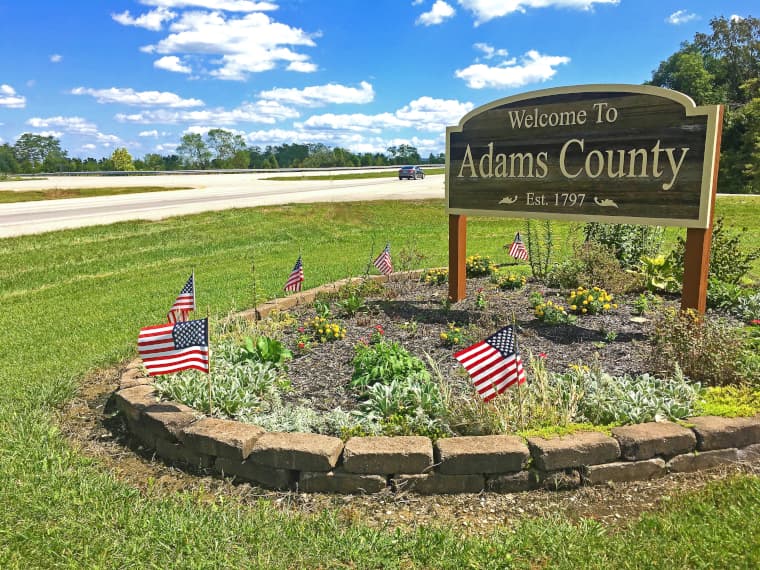
A 3% lodging tax on overnight stays is the engine behind Adams County’s tourism promotion system, and the path from a hotel bill to county marketing is more defined than many residents realize. The Adams County Travel & Visitors Bureau says it was created on Feb. 23, 1998, is governed by a seven-member board of trustees, and uses that tax to promote the county’s attractions.
How the lodging tax enters the system
The tax is paid by overnight guests staying in Adams County lodging facilities, not as a general county levy spread across every household. Ohio county guidance treats a 3% permissive lodging tax as a standard county option, and Ohio Revised Code Section 5739.09 lays out how lodging tax is administered and allocated. The Adams County Auditor also keeps a lodging excise tax page, which shows the tax sits inside county government’s financial structure, not only inside the visitors bureau.
That matters because the lodging tax is not just a bookkeeping line. It is the local funding stream that supports promotion work tied to Adams County, including print advertising, television spots, social media campaigns, travel shows, and other outreach. In practical terms, visitors staying in the county help pay for the marketing that tries to bring in the next wave of visitors.
Who runs the bureau
The bureau says its board of trustees has seven members, which gives it a defined governing structure rather than an open-ended advisory role. The board steers the nonprofit’s direction, while the tax itself remains tied to county administration and state rules. That division is important for anyone trying to understand where decision-making sits: the board governs the bureau’s work, but Ohio law governs the lodging-tax framework.
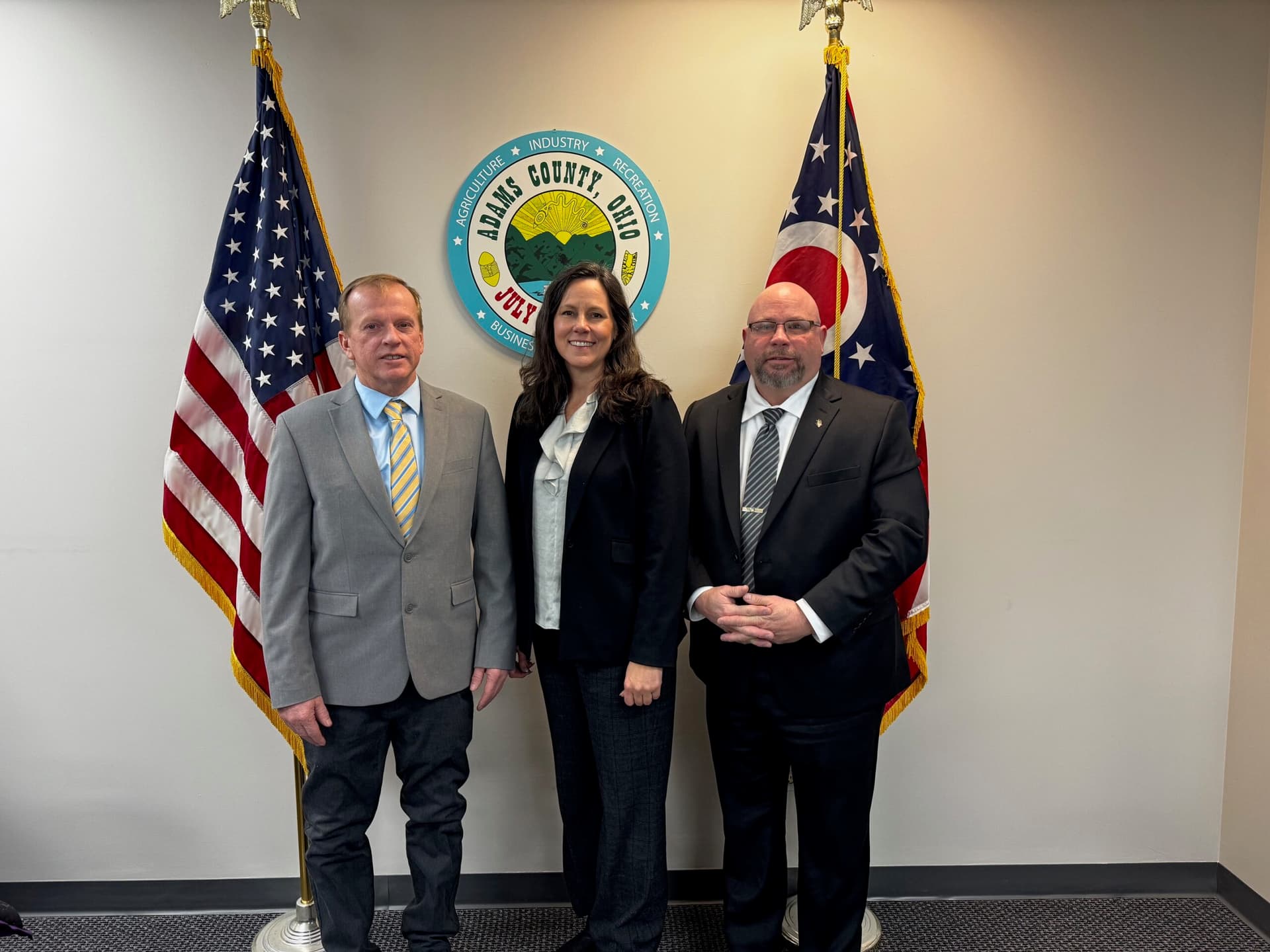
The bureau’s public history puts names to its beginning. On Feb. 23, 1998, all three Adams County commissioners unanimously supported the resolution creating the bureau: James McClanahan, Robert Hall and Paul Rothwell. The bureau later received 501(c)(3) nonprofit status in 2003, formalizing its role as a county tourism organization with a public mission and a nonprofit structure.
That origin story matters because it shows the bureau did not appear by accident. It was created through a county vote and then folded into a nonprofit model that could focus on destination marketing. In other words, Adams County built a dedicated tourism arm and gave it a legal structure to match its job.
What the board can, and cannot, control
The seven-member board can guide how the bureau presents Adams County, where it spends promotional dollars, and how it carries out tourism outreach. It can shape the message that reaches potential visitors and help decide which attractions, events and parts of the county get attention. That is the practical power of the board: it directs the county’s tourism voice.
What it does not control on its own is the tax framework itself. Section 5739.09 of the Ohio Revised Code governs lodging-tax administration and allocation, and the county auditor’s lodging excise tax page reinforces that the levy is handled through county government as well. The bureau works inside those rules, which means the board cannot treat lodging-tax money as an unrestricted pool detached from county and state oversight.
For residents trying to follow the money, that distinction is useful. The bureau is the marketer, but the county and state provide the legal structure. The tax is not a free-floating tourism fund; it is a public revenue stream with a defined path.
Where the money ends up in Adams County
The payoff shows up in visitor spending across the county. A 2024 TourismOhio economic impact report put Adams County tourism spending at $29.3 million in 2023, up 6.5% from $27.5 million in 2022. That kind of growth does not stay in one place. It reaches West Union, where county-seat traffic feeds local businesses, and it extends to Seaman, Peebles and Manchester, along with the smaller communities and rural stretches in between.
The bureau’s work also helps connect visitors to the county’s wider mix of lodging, food, shopping and outdoor recreation. When promotion is done well, it can turn a pass-through trip into an overnight stay, and an overnight stay into spending at local businesses. That is why the lodging tax matters to operators as much as to the bureau itself: the people paying it are the same people the county hopes to attract again.
The longer trend backs that up. County tourism spending was up 3% over 2018 in 2019, more than 8% since 2017, and nearly 34% over the prior five years. Those numbers show a sustained rise rather than a single-year bump, which makes the bureau’s structure more than an administrative footnote. It is part of the county’s economic circulation.
How residents can track the dollars
The clearest starting point is the Adams County Auditor’s lodging excise tax page, which anchors the tax in county government. Pair that with the bureau’s history, the 1998 county resolution, and Ohio Revised Code Section 5739.09, and the public can trace the chain from overnight stay to county revenue to tourism promotion. The board of trustees sits in the middle of that chain, guiding how the bureau spends its share of the system.
That gives Adams County residents a concrete way to understand tourism spending: visitors pay the 3% lodging tax, county government administers the levy within state law, and the bureau uses the money to market the county back to the world. The result is a tourism structure built on county rules, nonprofit governance and a public ledger that can be followed from the first hotel receipt to the final promotional campaign.
This article was produced by Prism’s automated news system from verified source data, official records, and press releases, then run through automated quality and moderation checks before publishing. The system is built and supervised by the people who set the standards it runs under. Read our full AI policy.
Did this article answer your question?