Adams Lake State Park Balances Recreation and Prairie Conservation
Adams Lake State Park, a 96-acre recreation and conservation area on the northern edge of West Union, serves as a frequent local destination for fishing, non-motor boating, picnicking, and short hikes while protecting a rare dry-prairie remnant. Its dual role as a recreation hub and the site of the Adams Lake Prairie State Nature Preserve carries practical and policy implications for local land use, stewardship, and county-level resource priorities.

Adams Lake State Park sits on the northern edge of West Union and encompasses roughly 96 acres split almost evenly between land and water, about 49 acres of land and 47 acres of lake. The park provides accessible outdoor recreation close to the county seat, including fishing, non-motor boating, picnic areas and short trails, making it a frequent stop for families, anglers and residents seeking nearby green space.
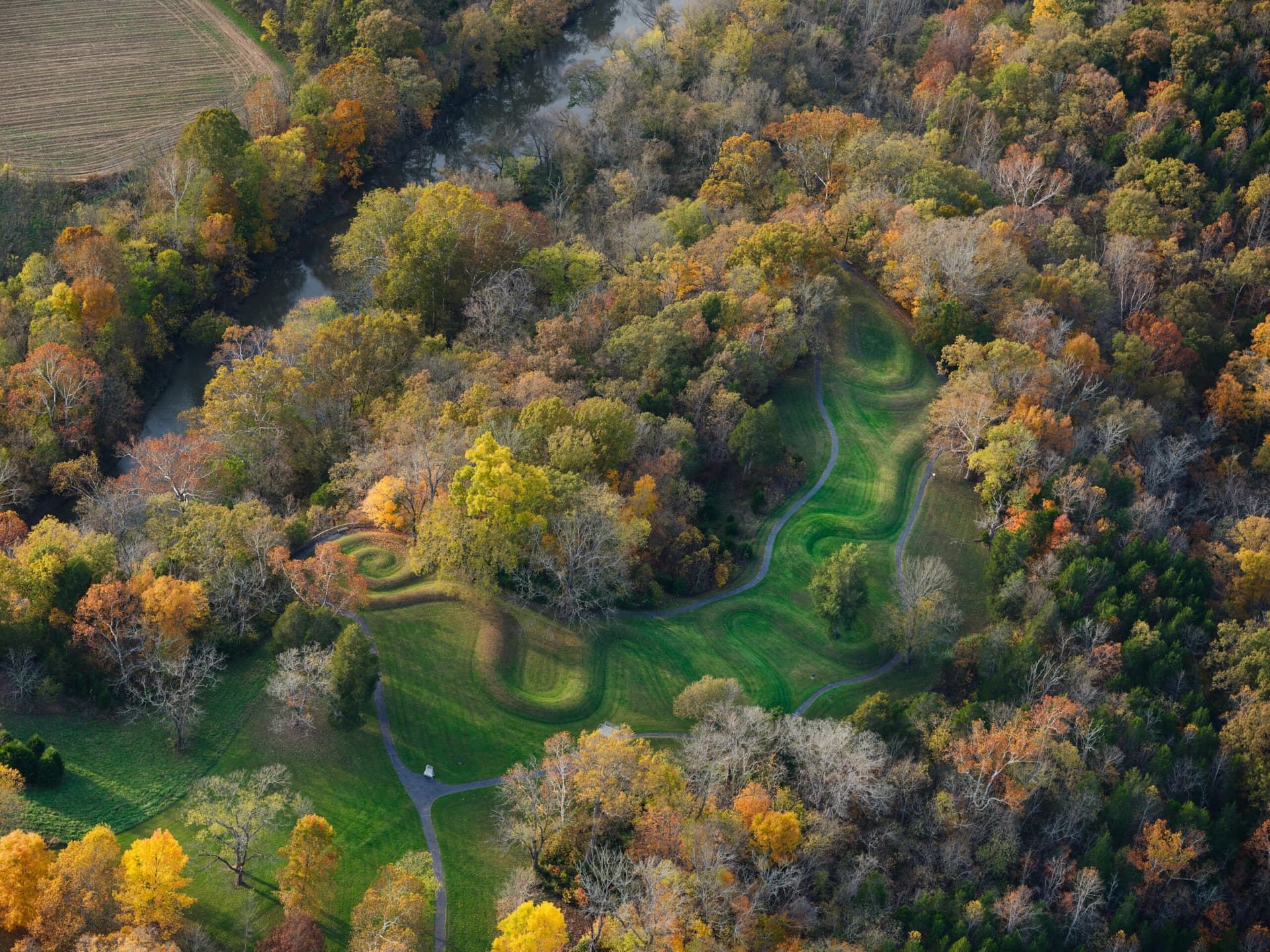
Embedded within the park is the Adams Lake Prairie State Nature Preserve, a notable remnant of dry prairie that is rare in the region. The presence of that preserve elevates the site beyond ordinary local recreation space: it is a locus of natural-history value that imposes limits and responsibilities on how the surrounding parkland is used and managed. Conserving a prairie remnant requires ongoing habitat management to maintain native plant communities and prevent encroachment by woody vegetation and invasive species, tasks that demand funding, expertise and long-term planning.
Those management needs create a set of policy choices for Adams County and municipal leaders in West Union. Budget decisions at the county level, collaboration with state conservation authorities and prioritization in parks planning all shape whether the site will continue to serve both recreational and conservation roles effectively. Simple operational questions, trail maintenance, signage, parking capacity, and access for non-motor boating, have tradeoffs when weighed against preserving fragile prairie habitat and minimizing human disturbance.

The park’s accessibility also has economic and civic implications. Regular visitation supports local quality of life and can contribute modestly to local businesses that serve day visitors. It also affords opportunities for civic engagement: residents can shape outcomes through participation in county parks discussions, volunteer stewardship programs, and input to budget deliberations that influence staffing and maintenance.
For Adams County voters and officials, Adams Lake State Park illustrates the intersection of community recreation and natural-resource stewardship. Preserving the prairie remnant while sustaining public access will require clear priorities, predictable funding and coordination among local and state actors. How those choices are made will determine whether the park continues to provide both a neighborhood getaway and a protected piece of the region’s natural heritage.
This article was produced by Prism’s automated news system from verified source data, official records, and press releases, then run through automated quality and moderation checks before publishing. The system is built and supervised by the people who set the standards it runs under. Read our full AI policy.
Did this article answer your question?