Jalyn Thacker builds Adams County Pride to create safe space for youth
Jalyn Thacker turned a childhood search for belonging into Adams County Pride, filling a rural gap for LGBTQ residents who have long had to look elsewhere for safety.
A county where support had to be found elsewhere
In Adams County, where school gyms, church halls, the courthouse square and volunteer networks shape daily civic life, creating a safe place for LGBTQ residents is not a symbolic gesture. It is a practical answer to a long-standing rural problem: young people and isolated adults often have to leave home, or travel far from it, to find community.
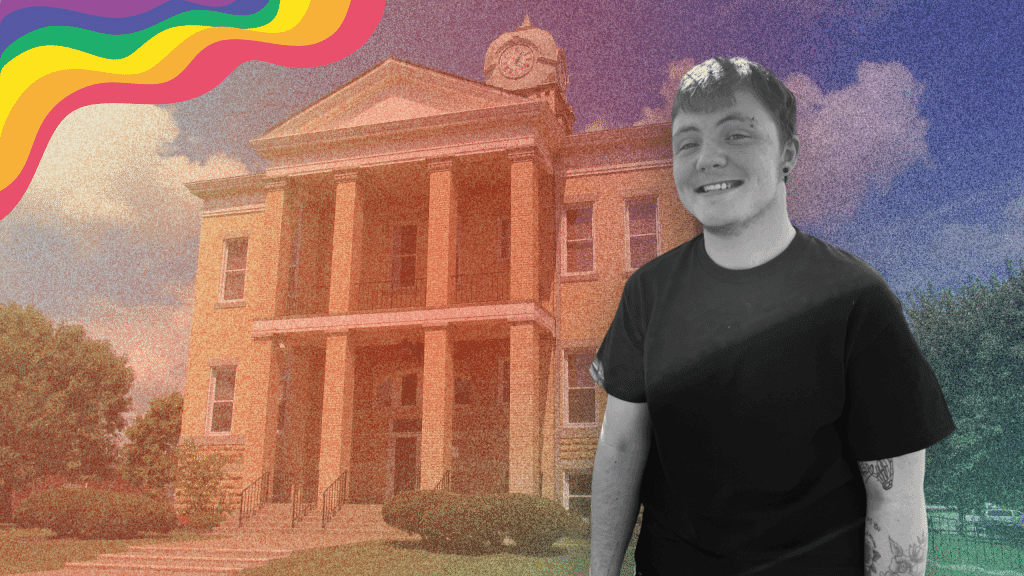
That is the gap Jalyn Thacker is trying to close. The 24-year-old trans man grew up in rural Adams County without a place where he could fully celebrate who he was, and he decided to build one for the next generation. Adams County Pride grew out of that personal history and into a local effort meant to give residents a place to connect, be visible and feel they belong in the county they call home.
Why this matters in Adams County
Adams County is small enough that absence is felt quickly. The county had 27,477 residents in the 2020 census, and the U.S. Census Bureau’s July 2025 estimate put the population at 27,865. It covers about 584 square miles, with West Union serving as both the county seat and the largest village. The county was established in 1797 and named for John Adams, the second U.S. president.
Those details help explain why a homegrown Pride effort carries so much weight. In a place this spread out, many residents do not have easy access to LGBTQ events, youth support, or visible affirming spaces without leaving the county. Adams County Pride is important because it says belonging does not have to be imported from a larger city. It can be built locally, in public, and on terms shaped by the people who live here.
A safe space built from lived experience
Thacker’s story is rooted in the experience of being a queer kid in a rural county where visibility was limited and affirmation was harder to find. According to The Buckeye Flame, he could not celebrate his transgender identity at home and, as a teenager, would travel with a small group of friends to nearby Hillsboro Pride or make the roughly 70-mile trip to Cincinnati to be around people who shared his identity.
That kind of travel says a great deal about rural life in southern Ohio. It is not just about mileage. It is about having to leave familiar streets, familiar institutions and familiar social circles to find even a modest sense of safety. Adams County Pride is designed to change that equation by giving younger residents, families and adults a place to gather without having to cross county lines for acceptance.
For teens especially, the effect can be immediate. A local Pride event can make it easier to see that there are other people in town who understand what it feels like to be different, uncertain or alone. It can also give parents, caregivers and allies a visible entry point into support that has often been invisible or scattered.
What Adams County Pride is offering
The first Adams County Pride Festival is scheduled for June 26, 2026, from 4 p.m. to 8 p.m. at Adams Lake State Park in West Union. Event listings describe it as the county’s first Pride festival and say it will include vendors, food trucks, games, crafts, entertainment and music.
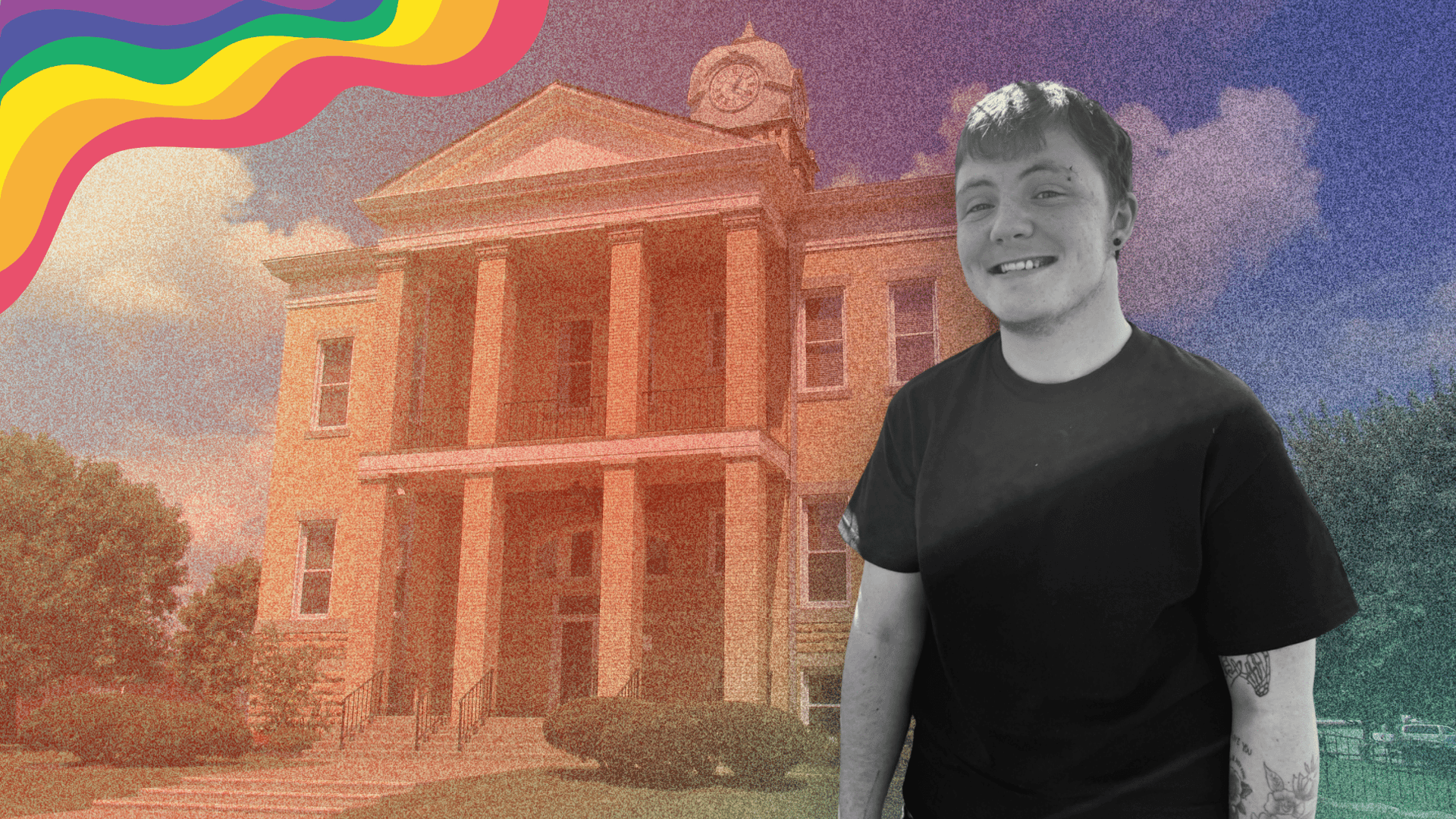
That mix matters because Pride in a small county has to do more than stage a celebration. It has to create a setting where someone can show up without already knowing a crowd, a committee or a scene. A festival with food, music, games and vendors lowers the barrier to entry. It gives people a reason to attend even if they are nervous, curious or not ready to say much at all.
The choice of Adams Lake State Park also fits the county’s geography. In a rural place, public gathering spaces carry outsized importance because they are among the few places where community can be seen at scale. Putting the county’s first Pride festival there makes the event feel rooted in the landscape of Adams County rather than detached from it.
The local need goes beyond one event
The need Adams County Pride is answering is broader than a single festival date. The effort speaks to youth mental health, family support and the isolation many rural LGBTQ residents face. CDC data show LGBTQ+ students experience substantial disparities in violence, poor mental health and suicidal thoughts and behaviors compared with their peers. Research from The Trevor Project also finds that rural LGBTQ youth commonly face isolation and need supportive connection.
Those findings help explain why a local Pride organization can matter so much in a county like this. A visible, affirming gathering place can reduce the sense that a young person is alone. It can also make it easier for adults, including those who grew up hiding their identity, to see themselves as part of the county’s civic life rather than outsiders to it.
In practical terms, that can change daily life in small ways that add up. It can give a teenager a place to go without inventing an excuse. It can give a parent a safer setting to ask questions. It can give an isolated adult a first chance to meet others without driving to Cincinnati or waiting for a rare opportunity in a nearby town.
A county still deciding what belonging looks like
Adams County Government is centered in West Union, and the county’s civic life remains deeply shaped by elected offices, county services and familiar local institutions. That makes Adams County Pride especially significant: it is part of an ongoing conversation about what kind of county this is and who gets to feel at home in it.
The story of Thacker and Adams County Pride is not simply about one organizer. It is about a rural community deciding whether acceptance will remain something residents must seek elsewhere or something they can build where they already live. In Adams County, that decision is now visible in a festival, a name, and a new place for people to show up as themselves.
For youth, families and isolated adults, that can be the difference between being on the outside of community life and finally having a place in it.
Know something we missed? Have a correction or additional information?
Submit a Tip