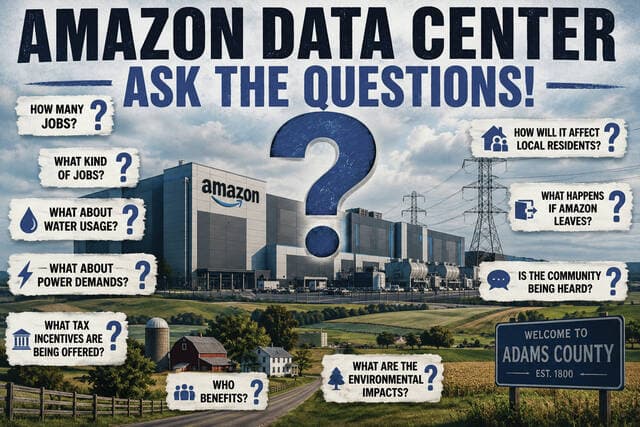
Massive data center planned for Adams County could reach 1.3 gigawatts by 2032
Adams County’s proposed data center starts at 100 megawatts in 2028, then jumps to 1.3 gigawatts by 2032, a scale that could reshape the county’s grid and politics.
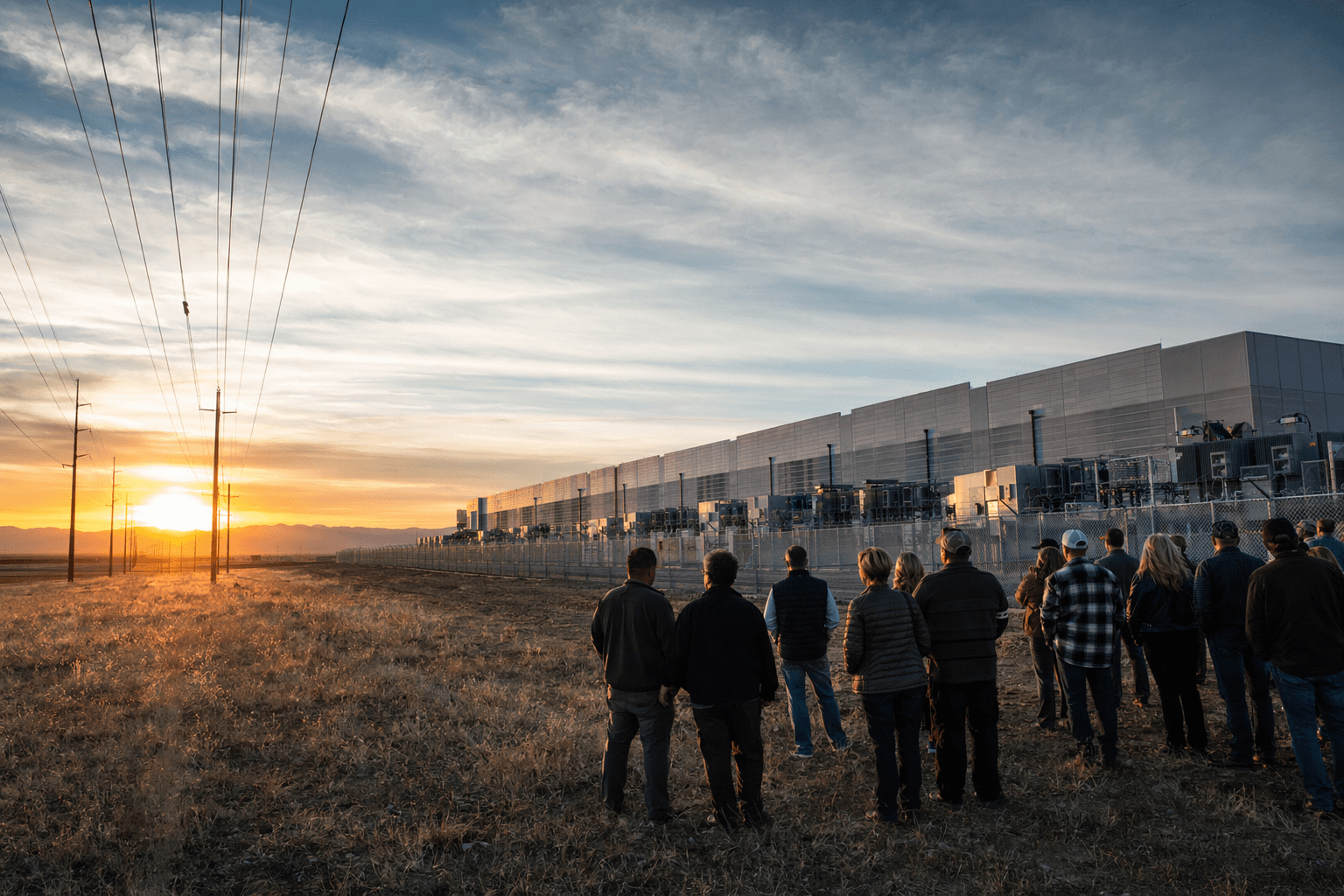
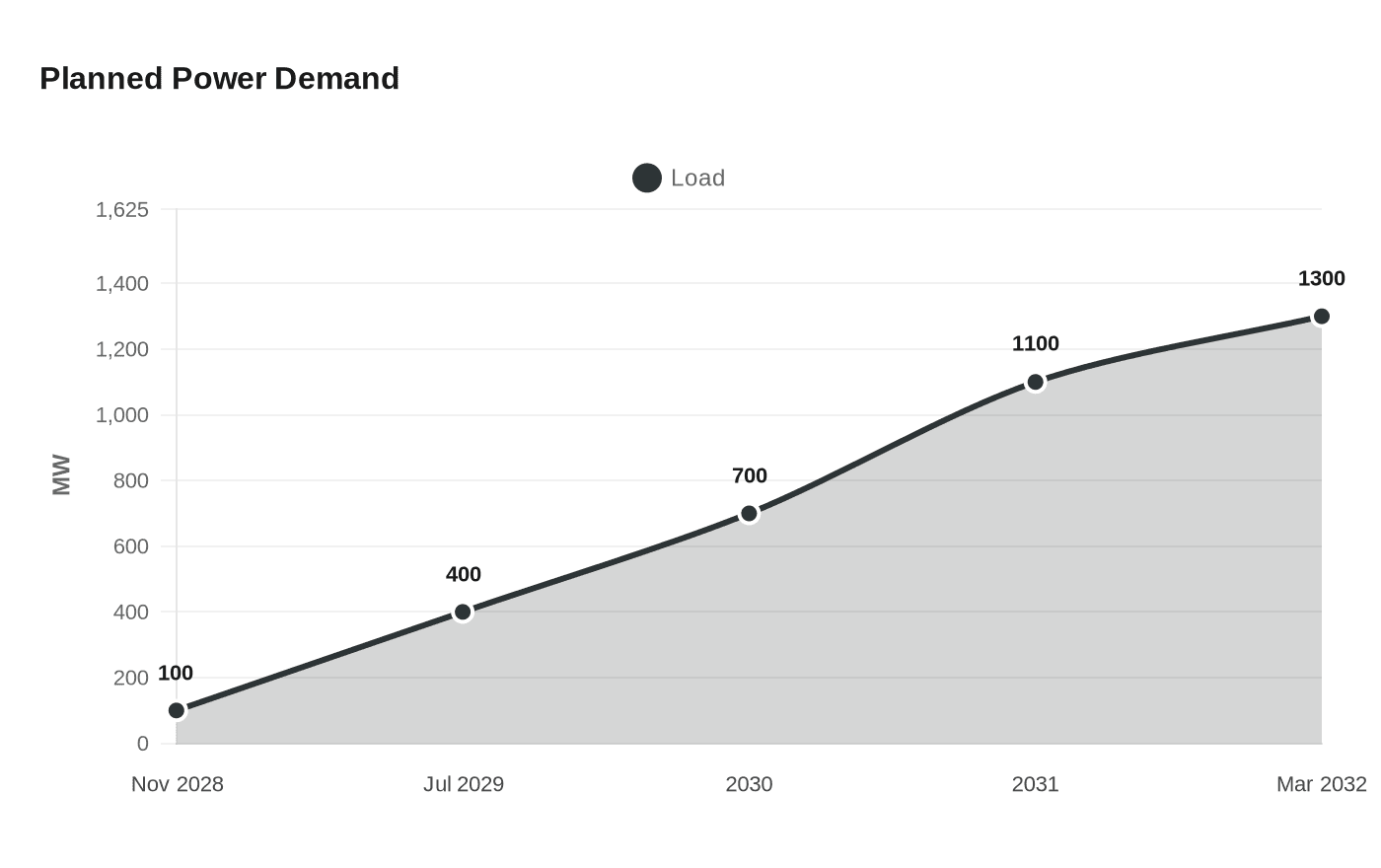
Power demand in Adams County is about to jump from the abstract to the overwhelming. AES Ohio disclosed in a Feb. 3 filing to PJM that a customer wants service near the Stuart Substation, with a project that would start at 100 megawatts in November 2028 and climb to 1.3 gigawatts by March 2032.
That staged ramp-up is the central fact local officials, residents and utility planners now have to grapple with. The filing shows demand rising to 400 megawatts in July 2029, 700 megawatts in 2030 and 1.1 gigawatts in 2031 before reaching 1.3 gigawatts the following spring. WCPO reported the proposed campus would use more than 20 times as much electricity as Adams County itself and roughly enough power for about 1 million homes.
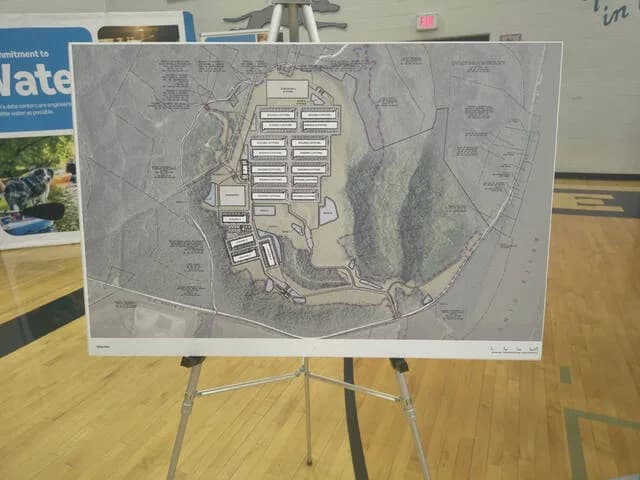
The site is described as being near the former Stuart power plant and the former Dayton Power & Light landfill site, placing the project in one of the county’s most sensitive redevelopment areas. The old Killen and Stuart plants closed in 2018, eliminating about 700 jobs and costing Manchester schools about $5.5 million in funding, losses that still shape how county leaders talk about economic replacement and reuse of the land.

The proposal has also intensified local distrust. Residents formed Adams County for Responsible Development to push for more transparency and oppose or scrutinize the project. At the same time, the county has become part of a broader Ohio fight over data center growth, including a proposed constitutional amendment that would bar new facilities with a peak load above 25 megawatts.
The U.S. Army Corps of Engineers has already issued a permit for work near the site, but only with special conditions meant to protect endangered bats, mussels and butterflies. That makes the project more than a private investment story; it is now a test of how far industrial redevelopment can go before it runs into the grid, environmental limits and public consent.
For Adams County, the next phase will be about approvals, not promises. The load request has been disclosed, the site has been identified, and the political stakes are clear: a rural county with limited industrial base is being asked to absorb a power demand larger than many cities, while landowners near the Stuart site watch to see what construction, utility upgrades and regulatory decisions arrive before 2028.
This article was produced by Prism’s automated news system from verified source data, official records, and press releases, then run through automated quality and moderation checks before publishing. The system is built and supervised by the people who set the standards it runs under. Read our full AI policy.
Know something we missed? Have a correction or additional information?
Submit a Tip