Music Therapy Offers Dementia Support for Adams County Seniors
A November 25, 2025 column in the Adams County Senior Council explained how music therapy can help people living with dementia, outlining active and receptive approaches and citing benefits recognized by major organizations such as the Alzheimer’s Association. The column emphasized that trained therapists and multidisciplinary care plans yield the best outcomes, while also noting that simple, low cost music activities can provide immediate support for local caregivers and nursing staff.
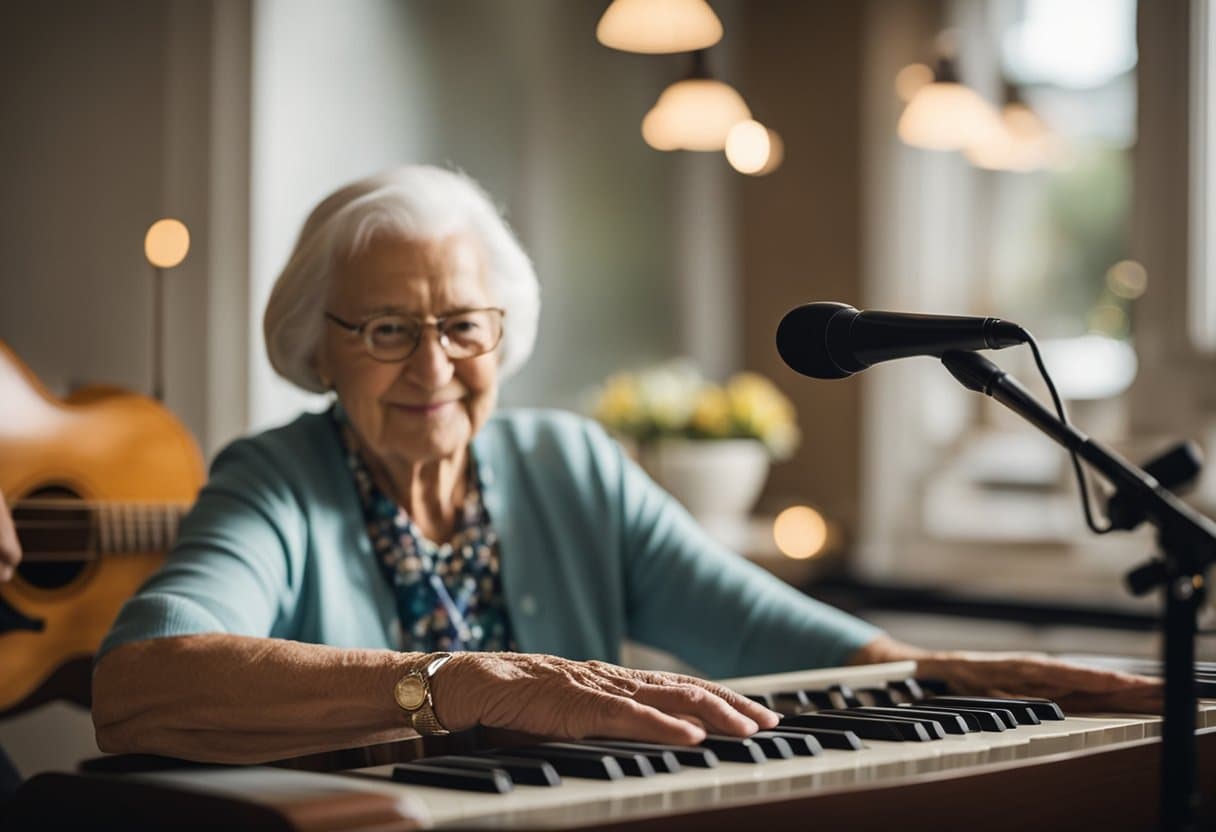
The Adams County Senior Council published a column on November 25, 2025 that highlighted music therapy as a practical tool for supporting residents living with dementia. The piece described two broad approaches. Active music therapy involves participation in making music, such as singing or playing instruments. Receptive music therapy involves listening to recorded or live music and discussing memories or feelings. Both approaches drew on evidence cited by major organizations including the Alzheimer’s Association showing measurable benefits.
Research organizations have linked music based interventions to improved mood, reduced agitation, enhanced memory recall, better social interaction and sometimes reduced dependence on medication. The column stressed that music therapy is most effective when delivered by trained therapists and integrated into a multidisciplinary care plan that includes medical, nursing and social support. It also noted that caregivers and facilities can use simple, low cost activities such as singing familiar songs or playing favorite recordings to provide immediate comfort and stimulation.
For Adams County families and care providers the implications are both practical and urgent. In settings where access to credentialed therapists is limited, community centers, home care agencies and long term care facilities can adapt listening sessions and group singing to address emotional needs. Because music often activates memories even in later stages of dementia, it can create moments of connection between residents and loved ones that other interventions sometimes cannot achieve.

The column also pointed to broader public health and policy questions. Expanding training opportunities for therapists, securing funding for arts in health programs, and ensuring equitable access for low income and rural residents would deepen the benefits across the county. Integrating music therapy into standard care plans could reduce behavioral symptoms and reliance on medications, with potential cost savings and quality of life improvements.
Music is an accessible and affordable tool that Adams County caregivers can use immediately, and it also points to policy priorities that would help make those benefits available to all seniors and families in the community.
This article was produced by Prism’s automated news system from verified source data, official records, and press releases, then run through automated quality and moderation checks before publishing. The system is built and supervised by the people who set the standards it runs under. Read our full AI policy.
Did this article answer your question?


