North Adams students learn budgeting through Real Money, Real World simulation
North Adams seventh graders felt how fast a paycheck disappears when housing, food and child-care costs hit. The lesson mirrors the budget pressures Adams County families know well.
Why the lesson hit home
In Ammon Mitchell’s Business Foundations and Financial Literacy class at North Adams, a seventh grader’s monthly pay disappeared fast once housing, utilities, transportation and food entered the picture. That is the power of the Real Money, Real World simulation: it turns the cost-of-living pressure Adams County adults face every month into a classroom experience students can actually feel.
The exercise is not designed as a simple budgeting worksheet. It asks students to confront the tradeoffs that come with real-life decisions, including the cost of raising children and the shock of an unexpected change at the Chance station. For North Adams Local School District, that makes financial literacy feel less like an abstract topic and more like a preview of the adult choices that shape whether a paycheck stretches or collapses.
How the simulation worked
Before students ever reached the spending stations, they were assigned occupations and monthly salaries tied to different educational levels. That setup mattered because it showed, in a concrete way, how education and career choices can affect the kind of life a person can realistically afford. A bigger paycheck did not erase every problem, but it did change how much room there was to absorb expenses.
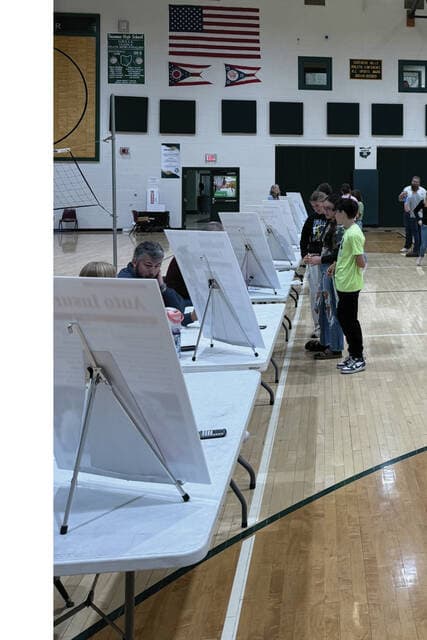
During the simulation, students rotated through stations representing everyday costs such as housing, utilities, transportation and food. They also had to account for children and handle a surprise circumstance at the Chance station, which kept them from treating the budget like a fixed formula. The structure forced them to make decisions the way adults do: one choice at a time, with limited money and competing needs.
The lesson also reflected the real math behind adult budgeting. The program is built around net income that can stretch or shrink depending on earlier choices, so students had to think beyond the amount printed on their assignment sheet. For many of them, the biggest takeaway was not that money runs out, but how quickly it runs out once basic bills start stacking up.
A classroom lesson backed by community partners
The May 6 activity came together through a partnership with the Ohio State University Extension Office, and the stations were staffed by community volunteers and Extension representatives. That detail is important because the simulation works best when it feels like a community effort, not just a school assignment. Students were not being lectured about budgeting from a distance; they were moving through a shared setup that included adults from outside the classroom.
Ohio State University Extension describes Real Money, Real World as a youth financial literacy program for ages 12 to 18, with the sweet spot ideally between ages 13 and 16. The curriculum has three parts: four preparatory classroom lessons, a hands-on spending simulation and a post-session evaluation. In other words, the simulation is only one piece of a broader effort to build judgment before students face those decisions on their own.
That broader structure is what gives the North Adams lesson its weight. After the spending stations, students returned to class to review the choices they made and discuss how their assigned income levels shaped the lifestyles they could afford. That reflection turns one afternoon into a deeper lesson about long-term planning, cost of living and the way education can open or close doors.
Why Ohio is pushing this model
The North Adams exercise is part of a statewide effort that has been growing for years. In early 2021, Ohio Treasurer Robert Sprague announced a partnership with The Ohio State University College of Food, Agricultural, and Environmental Sciences to expand Real Money, Real World across Ohio. The Treasurer’s Office said about 14,000 Ohio students take part in the experiential financial literacy program each year, showing just how widely the model has spread.
That statewide push gives the North Adams lesson added significance. It is not an isolated classroom activity tucked into one district’s schedule; it is part of a larger Ohio strategy to prepare young people for the economic realities they will soon face. In a county where education stories draw close attention, that kind of practical, school-based instruction stands out because it connects directly to household budgets, workforce preparation and family stability.
Adams County has also already earned recognition for doing this work well. Adams County OSU Extension received a Compass Award in 2022 for teaching Real Money, Real World in local schools, a sign that the county has developed experience with the curriculum and knows how to make it effective. That history helps explain why the North Adams program could lean so successfully on outside volunteers and Extension support.
OhioMeansJobs has made a similar point about what works best. The most successful Real Money, Real World programs, it says, are partnerships among the county Extension office, the school, the business community and other caring adults who volunteer at the spending simulations. North Adams fit that model closely, with classroom instruction, Extension involvement and community support all working together around one central goal: helping students understand money before money starts making decisions for them.
What students learned about real life
The real value of the simulation was not in any single choice at one station. It was in the cumulative effect of those choices, especially when students saw how salary, education level and family size changed what kind of budget they could manage. A home, a car, groceries and child care can look manageable in theory; the simulation showed how quickly those same costs can become overwhelming when income is fixed.
That is why the lesson matters for Adams County now. Students at North Adams are being asked to think like adults while they are still in middle school, and the exercise gives them an early look at the pressures that shape everyday life. In a place where every dollar has to cover more than one need, that kind of financial literacy is not extra credit. It is one of the most practical lessons a school can offer.
This article was produced by Prism’s automated news system from verified source data, official records, and press releases, then run through automated quality and moderation checks before publishing. The system is built and supervised by the people who set the standards it runs under. Read our full AI policy.
Did this article answer your question?