Volunteer-Run Warming Shelter and Soup Kitchen Opens in Manchester During Bitter Cold
Volunteers opened a warming shelter and soup kitchen at 400 Pike Street to serve hot meals and warmth during subfreezing cold.
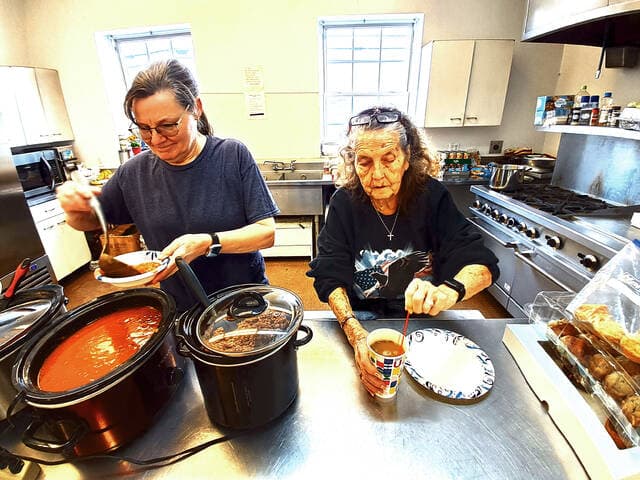
Manchester neighbors converted the Manchester Community Building at 400 Pike Street into a volunteer‑run warming shelter and soup kitchen as subfreezing temperatures swept the area, offering hot meals, chili and coffee and a place for residents to warm up. The effort was organized by Dawne Sanderson Hamilton Peterson with steady volunteer support from JoAnn Hilderbrand, and village officials approved the use of the building at no cost.
Peterson said the response began as a quickly assembled act of charity. "At first I thought this was going to be three days for four hours," Peterson said. As the cold deepened, the operation expanded: "Then the weather started getting worse. Then it was eight hours. Now we’re at eleven hours a day, seven days a week." Peterson credited Hilderbrand for keeping the effort running. "This doesn’t happen without JoAnn," Peterson said.
Manchester Mayor Billie Jo Goodwin and the Manchester Village Council moved swiftly to allow the space, enabling volunteers to open their doors without rental expense. A photograph by Ryan Applegate shows Peterson and Hilderbrand serving chili and coffee to a visitor inside the Community Building. Organizers said the shelter would remain open until at least Monday, February 9, 2026, when temperatures were forecasted to rise.
The operation emphasizes more than immediate relief. People’s Defender coverage framed the project as a demonstration that "compassion, when shared, can grow into something lasting," and organizers described the site as a place of warmth, nourishment, and human connection. For local residents facing dangerous cold, the shelter provides a low‑barrier source of heat and a hot meal at a moment when exposure risk rises.
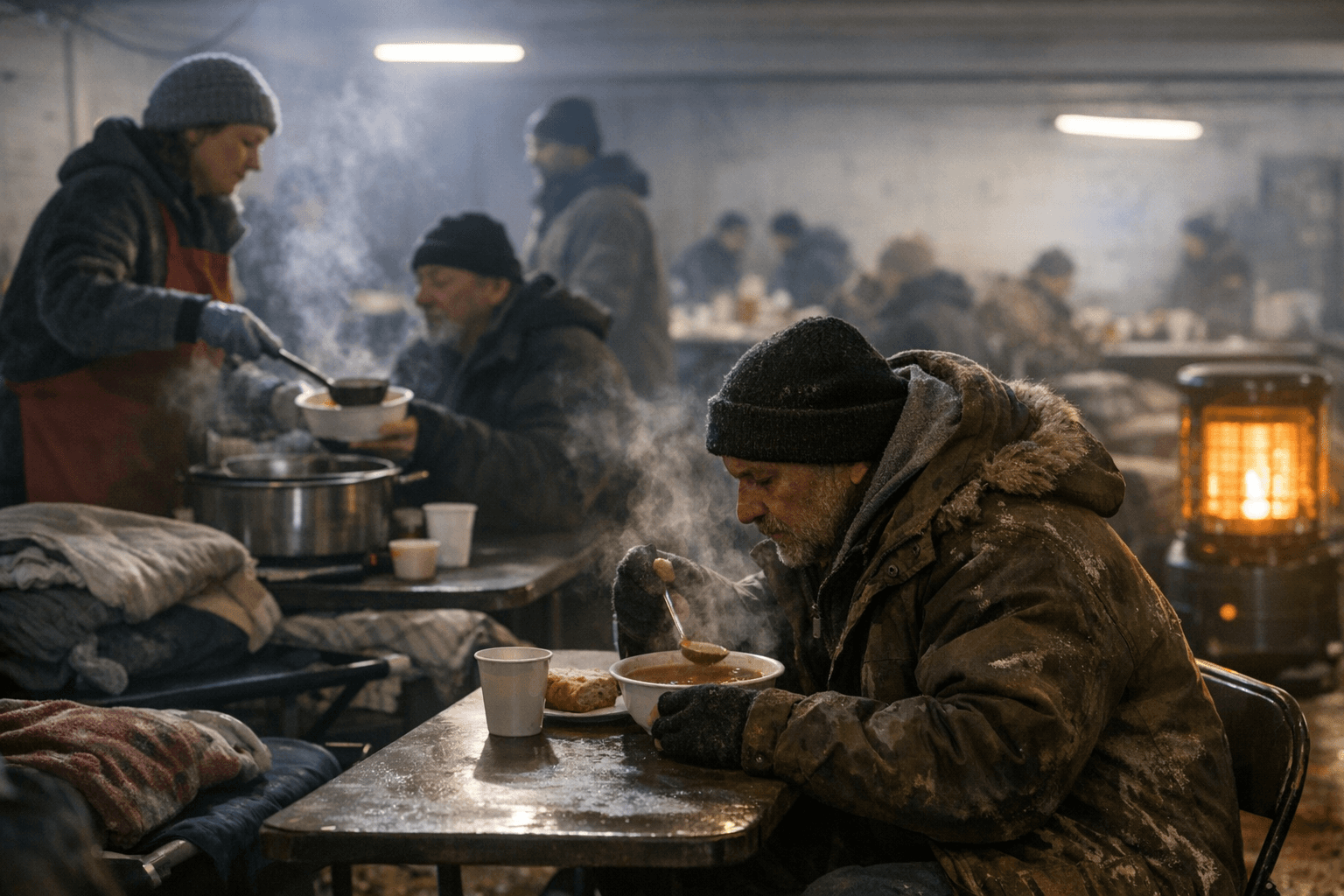
From a local governance perspective, Manchester’s decision to offer public space at no cost reduced start‑up friction and financial barriers for volunteers. Relying on unpaid labor and donated space delivers immediate value at minimal municipal expense, but it also highlights gaps in planned emergency shelter capacity during extreme weather events. The rapid scaling from a short, limited effort to an eleven‑hour, seven‑day operation suggests sustained demand and operational strain on a small volunteer team.
Organizers and Mayor Goodwin have not published formal schedules, meal counts, or long‑term plans, and details such as food sourcing, volunteer rosters, and whether overnight sheltering is provided were not specified. For now, Manchester residents in need of warmth and a hot meal can find assistance at the Community Building while temperatures remain dangerously low.
The shelter’s quick creation shows how local networks can fill immediate needs, but it also raises policy questions for Adams County and Manchester leaders: whether to formalize emergency warming capacity, identify funding streams, and plan logistics for future cold snaps. In the short term, Peterson, Hilderbrand, and their neighbors have kept people fed and warm; in the long term, the community will need a coordinated approach if extreme winter conditions become more frequent.
This article was produced by Prism’s automated news system from verified source data, official records, and press releases, then run through automated quality and moderation checks before publishing. The system is built and supervised by the people who set the standards it runs under. Read our full AI policy.
Did this article answer your question?