ABSS celebration highlights confidence, opportunity for girls in sports
ABSS used a sports celebration to show girls' athletics can build confidence, belonging and future opportunities. Shaylen Burnett and Stephanie Smith made that case in Southern Alamance.
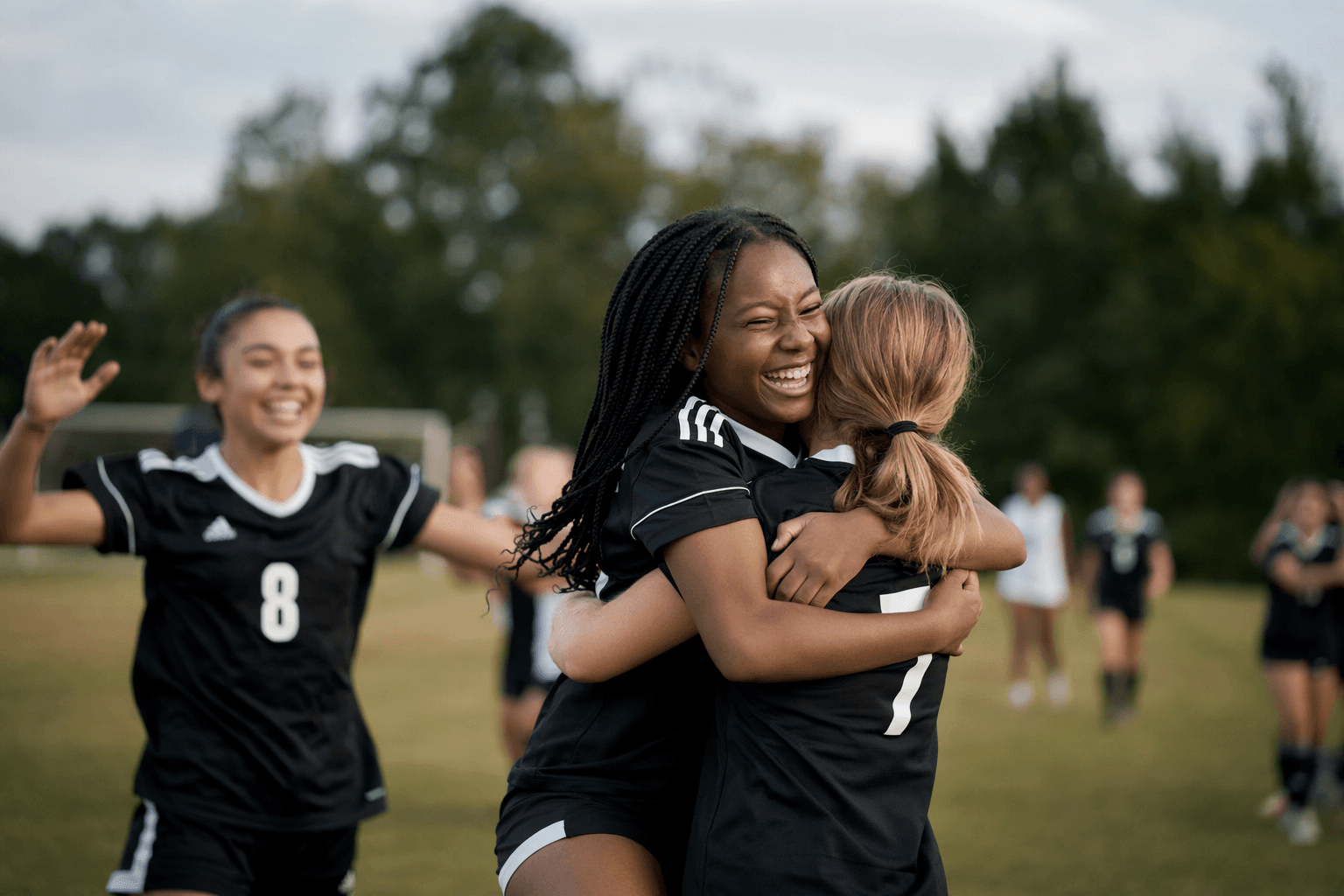
Opportunity in Alamance County starts with access
A celebration of National Girls and Women in Sports at Alamance-Burlington School System turned into something more useful than a ceremonial nod. At Southern Alamance auditorium, the message was practical: girls in Alamance County gain from sports when schools make tryouts welcoming, coaches keep encouragement visible, and students can picture a future beyond one season or one scoreboard.
That matters because athletic participation is not only about wins and losses. It is also about whether a girl feels invited in the first place, whether she sees older athletes who look like her, and whether school sports become a place where discipline and confidence grow together. In a county with strong high school athletic traditions, those small points of access can shape who stays involved and who walks away.
Why the roundtable mattered
The event brought together people connected to local athletics for a roundtable discussion about what sports can mean for girls beyond the game itself. Rather than treating girls’ sports as a side program, the conversation placed it at the center of student development, school culture and long-term opportunity.
Southern Alamance athletics director Stephanie Smith pushed that point directly, saying girls should not be afraid to try out for sports. That kind of message may sound simple, but in practice it is a gate-opener. A tryout invitation, a supportive coach and a room where girls feel they belong can be the difference between participation and silence.
The setting also mattered. Holding the discussion at Southern Alamance auditorium made it local and immediate, not abstract. It tied the broader National Girls and Women in Sports celebration to the day-to-day reality of Alamance County schools, where participation begins in gyms, on fields and in conversations with adults students already know.
Shaylen Burnett gives students a visible path
One of the strongest parts of the discussion was the presence of Shaylen Burnett, a former Elon women’s basketball standout who now works as a middle school coach in ABSS. Her role gave the event a local face and a clear example of what athletic participation can become after high school and college.
Burnett is especially meaningful in this conversation because she represents continuity inside the same county school system. She moved from athlete to mentor, from college basketball to coaching younger students in Alamance County. For girls listening to that kind of example, the lesson is concrete: sports can lead to leadership, community roles and relationships that last long after the final buzzer.
That is part of the long-term value schools are trying to protect. When students see someone like Burnett in front of them, the message is not only that sports build skills. It is that sports can help create a path back into the community as a coach, mentor or role model.
What girls gain beyond wins and losses
The discussion in Southern Alamance auditorium framed athletics as a source of confidence, discipline and belonging. Those benefits show up in daily school life, not just in game results. A girl who learns how to show up for practice, handle pressure and work with teammates often carries those habits into class, clubs and other parts of school.
The article’s central theme was clear: showing up, competing and learning discipline can pay off in ways that are not always visible right away. That includes self-confidence, better school involvement and a stronger sense that possible futures are within reach. For many families, that is the real value of sports, especially when a coach or teacher makes a younger athlete feel welcome.
The conversation also underscored how sports can help students imagine scholarship chances and college opportunities. Even when not every athlete goes on to play beyond high school, the experience of being coached, evaluated and supported can broaden how students think about what comes next. In that sense, participation is not just about athletic identity. It is about preparing for larger choices.
The barrier is often not ability, but entry
One of the most important takeaways from the celebration is that access matters as much as skill. Girls do not have to arrive already polished to deserve a place on the team. What often determines participation is whether the environment makes trying out feel possible.
That is why the role of a teacher, coach or older student can be so important. According to the event’s message, participation often begins with a single invitation from someone who can make a younger athlete feel welcome. In practical terms, that means schools can expand opportunity not only by adding programs, but by making sure girls know they are expected to be part of them.
For ABSS families, that reality carries weight. A student who is unsure about trying out for volleyball, basketball, soccer or another sport may need more than information. She may need an adult to say, plainly, that she belongs on the list of students who should come out.
What the community should watch next
The celebration also offered a way to think about girls’ sports as a countywide commitment, not just a school-by-school tradition. In a community that values athletics, these conversations help shape how schools recruit participation and how the broader public values female athletes.
That makes the event more than a one-day recognition. It becomes a reminder that confidence and opportunity are built over time through visible leaders, open tryouts and programs that treat girls’ athletics as important in its own right. Burnett’s path and Smith’s message both point to the same conclusion: when girls are encouraged early and often, the benefits reach far beyond the court or field.
For Alamance County, that is the practical lesson of the celebration. Girls’ sports are not only about the next game. They are about who gets invited in, who stays involved and who sees a future worth pursuing.
This article was produced by Prism’s automated news system from verified source data, official records, and press releases, then run through automated quality and moderation checks before publishing. The system is built and supervised by the people who set the standards it runs under. Read our full AI policy.
Did this article answer your question?


