Alamance County confirms second rabies case of 2026 in Burlington raccoon
A raccoon near Canterbury Drive and Briarcliff Road exposed two dogs, and county lab tests later confirmed rabies in Burlington.
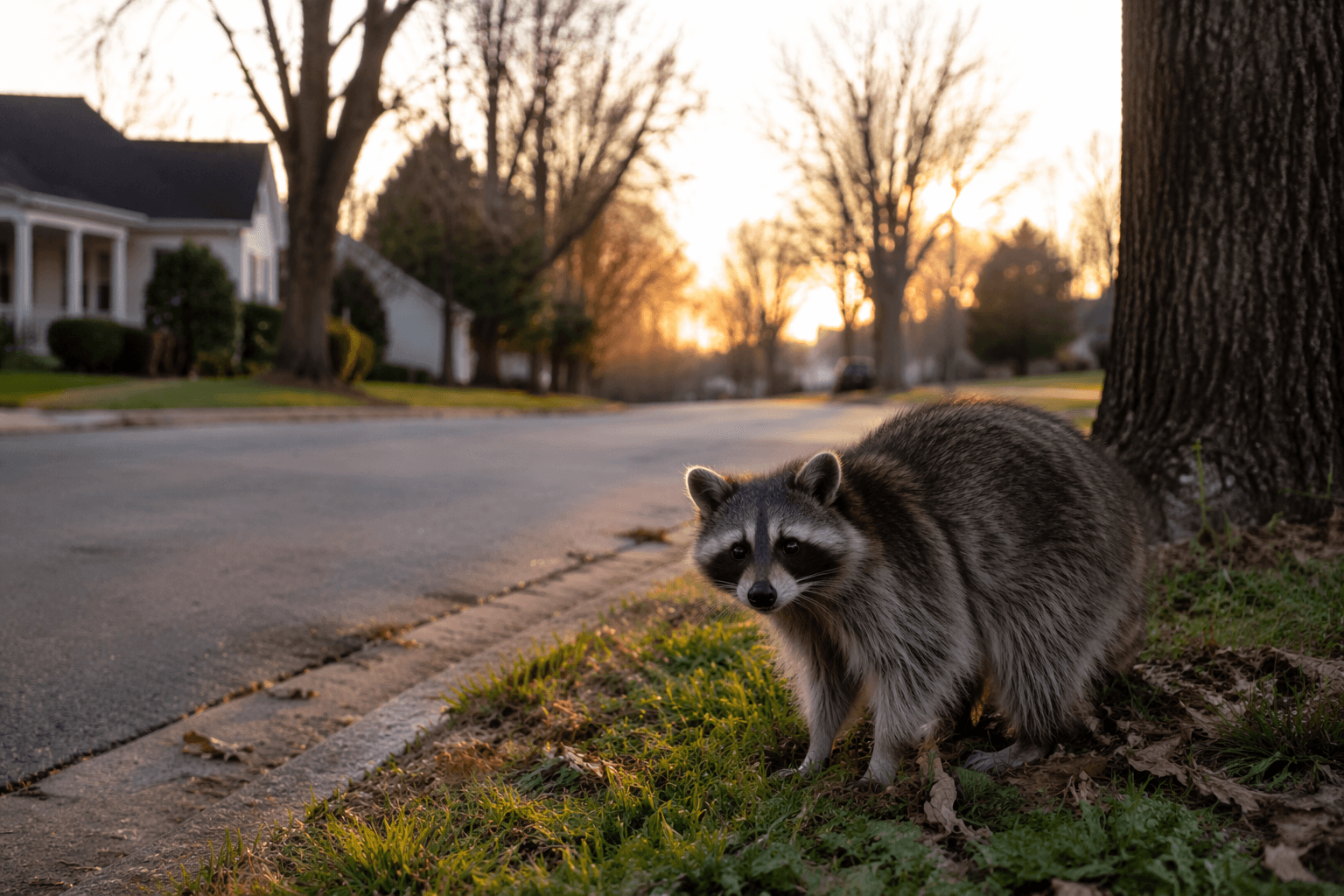
A raccoon that exposed two dogs near Canterbury Drive and Briarcliff Road in Burlington tested positive for rabies, giving Alamance County its second confirmed case of 2026 and putting local animal-control crews into immediate follow-up with the dogs’ owners.
Burlington Animal Services was notified on June 4, 2026, that the two dogs had been exposed. The raccoon was then submitted to the North Carolina State Laboratory of Public Health in Raleigh, which confirmed on June 5 that the animal was rabid. Burlington Animal Services is working with the owners to make sure the dogs receive the required rabies booster vaccinations.
The case lands as summer outdoor contact between pets and wildlife becomes more common, and it is another reminder that rabies remains an active public-health threat in Alamance County neighborhoods, yards, and green spaces. The county’s first rabies case of 2026 was confirmed in April after a cat in Burlington tested positive, showing that the virus has already surfaced twice this year inside the same city.
Health officials have long treated raccoons, foxes, skunks, and bats as high-risk wildlife because rabies can spread through bites or scratches. The Centers for Disease Control and Prevention says raccoons are a rabies reservoir in the eastern United States, and that about 90 percent of U.S. animal rabies cases occur in wildlife. The agency also says more than 1.4 million Americans receive care each year after a possible rabies exposure.
For pet owners, the practical message is direct: keep dogs and cats current on rabies vaccines, limit contact with wild animals, and treat any bite, scratch, or uncertain encounter as urgent. Quick reporting matters because rabies prevention depends on fast action before the situation becomes more serious, and exposed animals may need quarantine, booster shots, or other monitoring.
The county’s own rabies guidance says wild animals can transmit the virus to people and pets, and it has repeatedly urged residents to report exposures immediately. The larger pattern is hard to miss. CDC surveillance shows raccoon rabies spread into North Carolina in the early 1990s and became established in the state by the mid-1990s, which means the June Burlington case is part of a long-running wildlife threat, not a one-off event.
This article was produced by Prism’s automated news system from verified source data, official records, and press releases, then run through automated quality and moderation checks before publishing. The system is built and supervised by the people who set the standards it runs under. Read our full AI policy.
Did this article answer your question?