Alamance County libraries expand access beyond branch walls
Alamance County's library system reaches beyond branch doors with pickup lockers, a mobile library, digital tools and seed sharing for 169,500 residents.
Alamance County Public Libraries works as a countywide service network, not a single downtown stop. Its site is built around practical pages like Locations & Hours, Your Library Card, Your Account, Mobile Library, 24/7 Pick-Up, Seed Library, Library of Things, Zoom Passes and Technology, all of which point to a system designed for daily use across Burlington, Graham, Mebane and beyond.
A county system built for access
The scale matters. CityLibrary says Alamance County Public Libraries serves 169,500 residents, houses about 216,000 volumes and circulates 601,080 items a year. It also says the system was established after the dissolution of the Central North Carolina Regional Library System and now includes May Memorial Library, Graham Library, Mebane Library, North Park Library, a Mobile Library and BookMark.
That structure is reflected in the hours people actually use. libraries.org lists regular service Monday through Thursday from 10:00 a.m. to 8:00 p.m. and Friday from 10:00 a.m. to 6:00 p.m., with Sunday closed. For anyone balancing work, school runs or transportation limits, those hours and multiple locations make the library a county service rather than a single building to visit once in a while.
The system’s own 2021 annual report, titled “A Year of COVID Fiscal Year 2020-2021,” frames that mission in plain terms. It says ACPL exists to provide “learning opportunities for all members of our community to be successful in living a larger life by nurturing the heart and the mind.” Its table of contents also shows how broad the operation is, with sections on Library Branches, Year in Review, Programs & Services, Passports, Partnerships, Outreach, and Staff & Boards.
How the network works beyond the front desk
The most useful part of the county library setup is how much of it works before you ever walk into a branch. The Your Library Card and Your Account pages make clear that borrowing is meant to be managed as a system, not just in person at one desk. That matters when a resident wants to place a hold, track items or plan a pickup around a work shift.
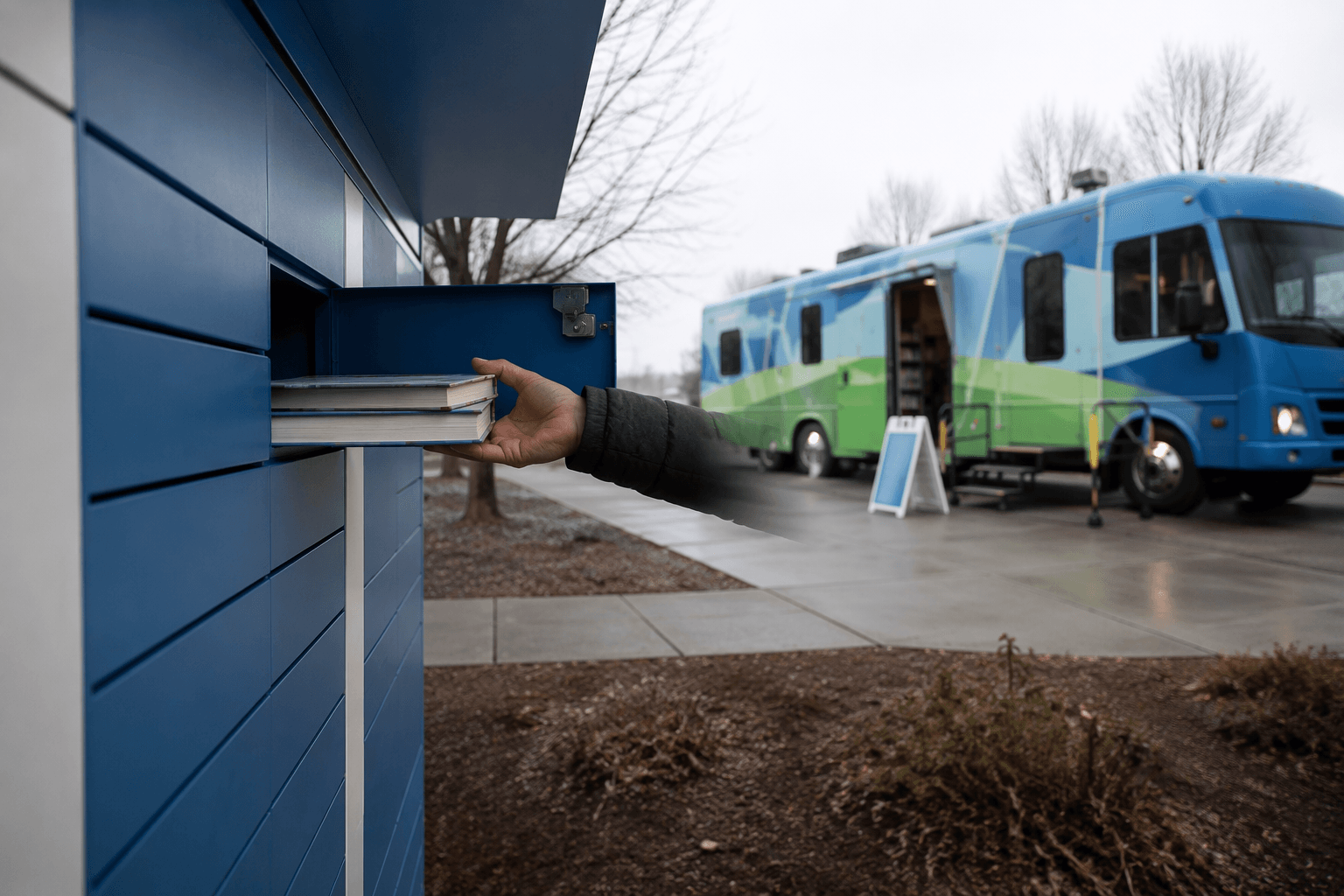
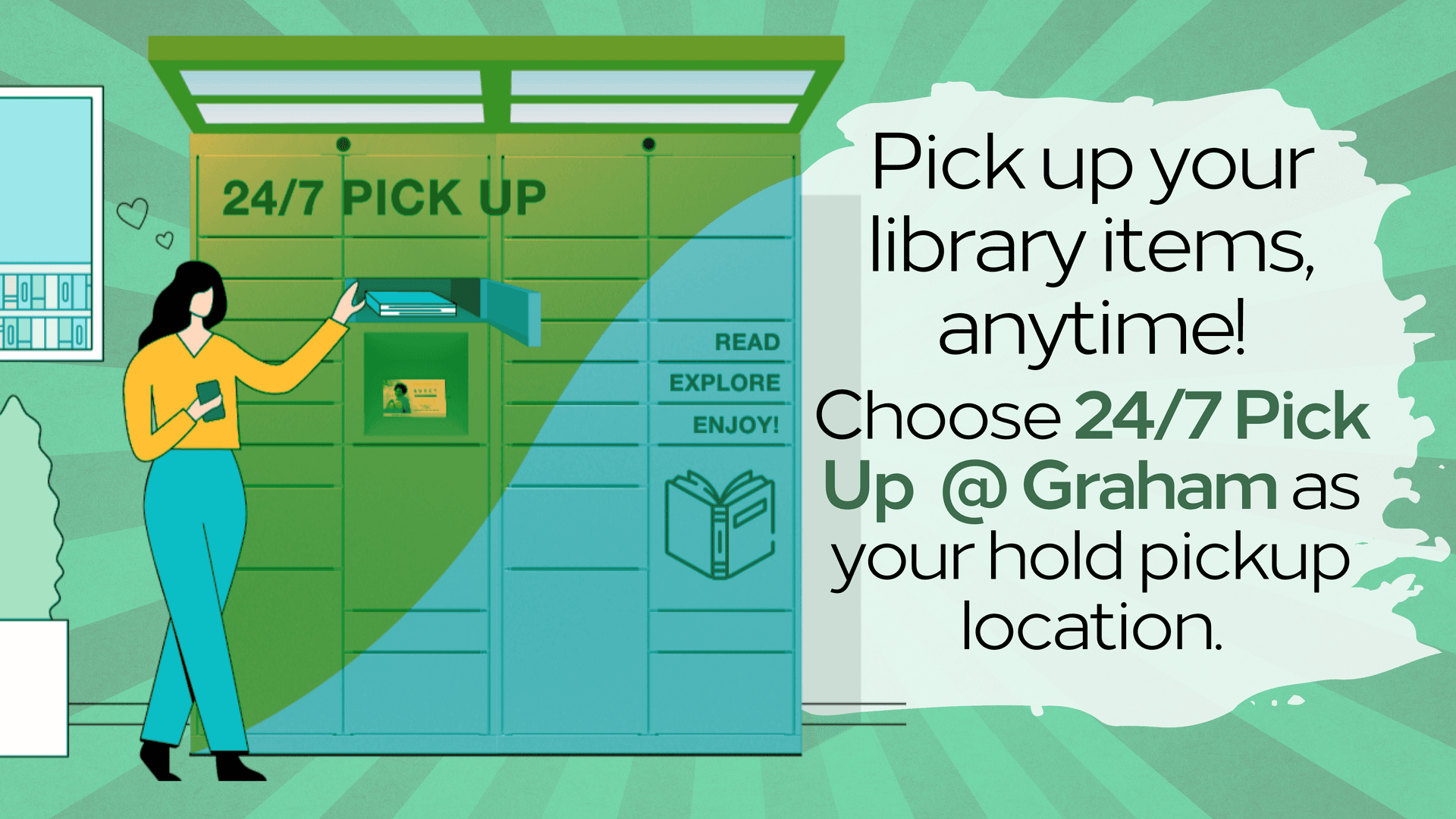
The 24/7 Pick-Up option pushes that flexibility further. CityLibrary notes pickup lockers at Graham Library, giving residents a way to collect items outside standard counter hours. CityLibrary also says the system offers home delivery of large print materials, a practical accommodation that matters for readers who cannot easily travel to a branch.
Technology and Zoom Passes show the same shift toward service that is not tied to a shelf or a seat in the building. Taken together, those pages point to a library network that helps people get online, use tools and borrow materials on a schedule that fits real life in a county with multiple towns and outlying communities.
The Mobile Library reaches places a branch cannot
The Mobile Library is the clearest example of that countywide reach. A Facebook post tied to the hiring of library director Susana Goldman says the vehicle holds more than 1,500 items and visits more than 40 sites across Alamance County in a three-week rotation. Those stops include schools, which extends library access into parts of the county where a fixed branch trip may be harder to make.
That rotation matters because it turns the library into a moving public service rather than a static building. For families, students and older adults, the mobile unit can bring books and other materials closer to where they already are, instead of requiring one more trip across town. It also gives the county a way to spread service across a wide geography without duplicating every function in every branch.
More than books: seeds, tools and digital access
The county library’s service pages also show how far the lending model now reaches. The Seed Library points to a program that supports gardening and food literacy, while the Library of Things suggests residents can borrow more than books and DVDs. Those are small details on the website, but they tell you a lot about what the system is trying to do: reduce costs for households by lending things people need occasionally rather than forcing them to buy everything outright.
Digital access is part of that same logic. Zoom Passes and Technology services matter in a county where residents may need internet-connected tools for school, work, interviews or training. In practical terms, the library is functioning as a low-cost access point for materials and services that many households would otherwise have to pay for individually.
A local archive as well as a lender
Alamance County Public Libraries also holds a preservation role that goes beyond checkout counters. DigitalNC identifies the system as a contributing institution with 441 yearbooks in its holdings, alongside catalogs and photographs in digital heritage collections. On the library site, Local History & Genealogy and All Things Alamance make that archival work visible to the public.
A Community History Archives page says the library is committed to preserving the rich history of Alamance County. That commitment gives the system another function besides circulation and pickup: it keeps local memory accessible to students, family researchers and anyone tracing the county’s past through yearbooks, photographs and genealogical material.
Why usage and funding still matter
The county budget conversation has also touched the libraries’ footprint. County budget reporting in 2025 included questions about annual visitor counts for each facility and the mobile unit, which shows how closely service levels, usage and funding are linked. When a system serves 169,500 residents and circulates more than 600,000 items a year, those counts help explain why branch hours, pickup lockers and mobile stops are not minor conveniences but core public infrastructure.
Alamance County’s library system now functions as a practical network for borrowing, pickup, digital access, outreach and local history. The branches matter, but so do the lockers, the mobile unit, the seed shelves and the online tools, because that is where countywide service becomes useful in everyday life.
This article was produced by Prism’s automated news system from verified source data, official records, and press releases, then run through automated quality and moderation checks before publishing. The system is built and supervised by the people who set the standards it runs under. Read our full AI policy.
Did this article answer your question?