Alamance County parks expand access, support health and equity
Alamance County Parks and Recreation manages a network of parks, trails and community programs that provide river access, camping, youth athletics and inclusive Special Olympics training across the county. These resources matter for local health and equity because they offer low cost opportunities for exercise, mental health support and community connection while exposing gaps in transportation, funding and accessibility that affect vulnerable residents.

Alamance County’s Parks and Recreation system oversees a broad portfolio of parks and programs that shape daily life and public health across the county. From Cedarock Park on Dean Coleman Road in Burlington to riverfront sites in Graham, Elon and Swepsonville, the department maintains green space, trails and community programming that provide recreation, learning and social supports for families and individuals.
Cedarock Park features historic farm exhibits, trails for hiking, biking and horseback riding, disc golf, camping and family programming. Great Bend Park at Glencoe provides Haw River access, hiking trails and picnic facilities with connections for paddling and river side hikes. Shallow Ford Natural Area in Elon preserves natural habitat and links local paths to the Mountains to Sea Trail and the Haw River Trail. Saxapahaw Island Park in Graham and Swepsonville River Park offer neighborhood river access and open green space. Town and city managed sites such as Joe C. Davidson Park, Hawfields Community Park and the Mebane Arts and Community Center add youth athletics, community programming and seasonal events to the countywide offering.
County programs include youth athletics for football and soccer, community special events, Special Olympics training and tournaments, facility reservations and community center programming. These offerings provide structured physical activity that benefits cardiovascular health, supports mental wellness and creates social networks that are protective for children and adults alike. For families with limited resources, low cost or free park programs reduce barriers to participation and can help address disparities in chronic disease and social isolation.
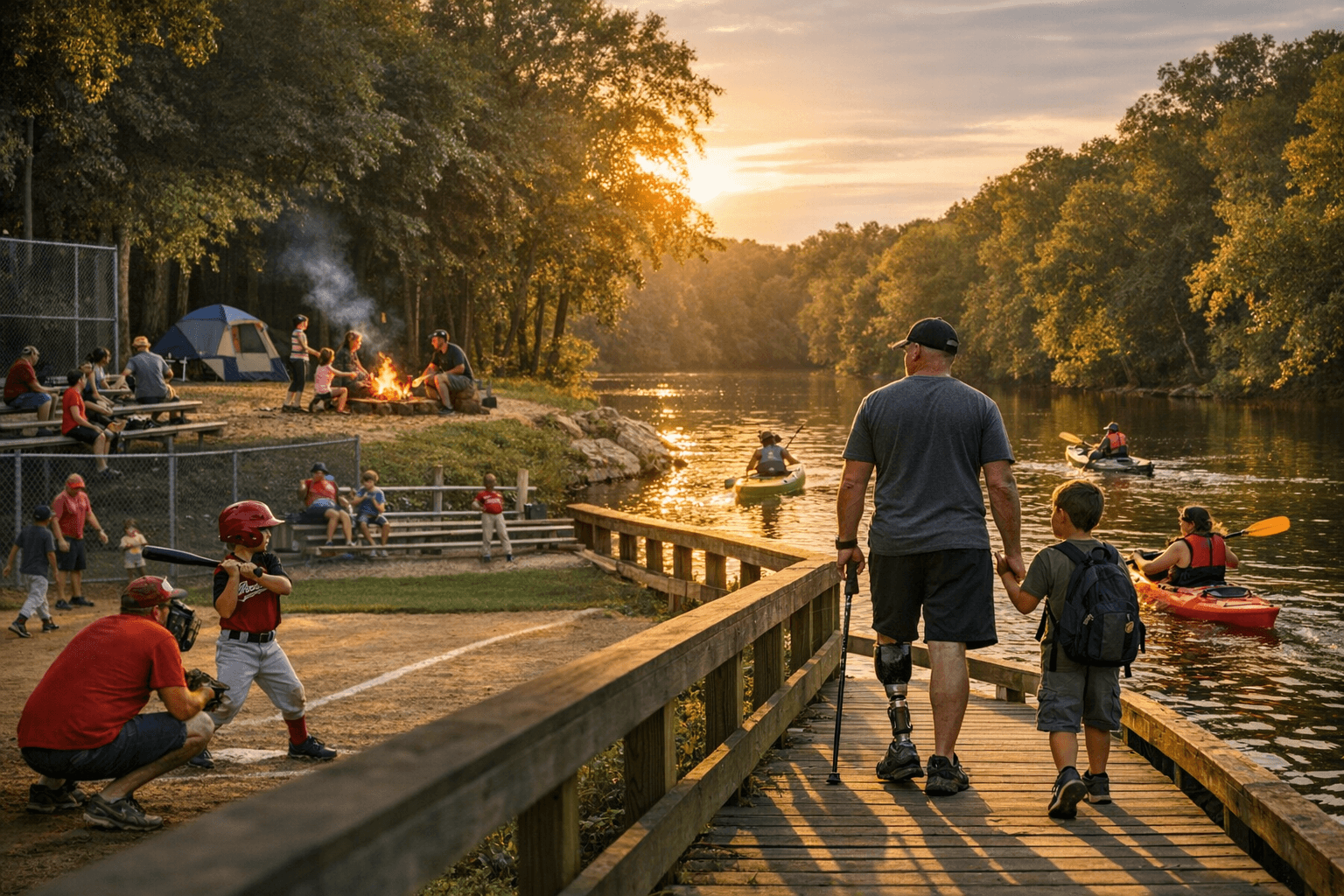
At the same time, the county’s park network highlights policy and equity challenges. Transportation gaps, uneven facility distribution between towns and rural areas, and accessibility needs for older adults and people with disabilities influence who can use these resources. Sustained funding for maintenance, staffing and trail connections will determine whether parks continue to reduce health inequities and support local resilience.
Residents can find administrative hours, contact information and current program schedules on the Alamance County Parks and Recreation website. As the county moves into future planning, parks will remain a critical public health and community equity investment that connects residents to nature, recreation and one another.
Know something we missed? Have a correction or additional information?
Submit a Tip