Alamance sheriff says officer list updates are routine, not political purge
A 12-name cleanup of Alamance sheriff certification records drew purge allegations, but officials said the annual review is state-required maintenance.
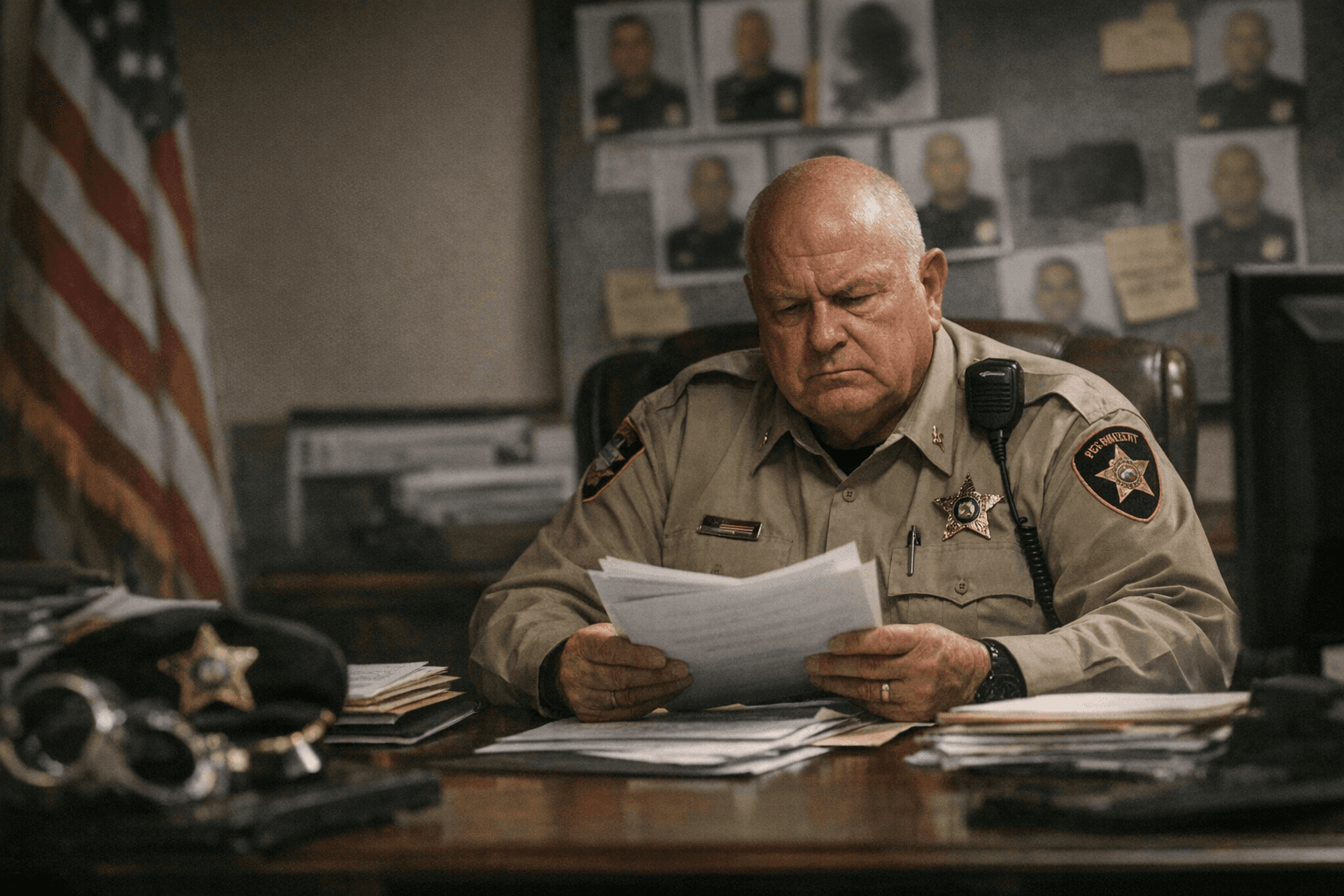
What critics cast as a political purge inside the Alamance County sheriff’s office ended, officials said, as a routine cleanup of certified-officer records that removed 12 names from a list that once held more than 400 people.
Chief deputy Jackie Fortner and Major Montrese Dodson said the office performs the same review every year, deleting names for people who had died or moved to other agencies. Dodson said the most recent round cut 12 names, and none of those removals were tied to death. The office’s point was direct: the list was being kept current, not politically scrubbed.
That explanation matters because the roster is not just an internal spreadsheet. The North Carolina Sheriffs’ Education and Training Standards Commission is responsible for certifying justice officers in the state’s 100 sheriffs’ offices, and state law says sheriffs and deputy sheriffs are of special concern to the public health, safety, welfare and morals of North Carolina’s people. Sheriff’s offices are expected to report whether an officer is full-time or reserve, whether the person is authorized to carry a weapon, and whether the person has moved from active to inactive status. When someone leaves through retirement, resignation, dismissal or death, the office is supposed to send a separation report.
The North Carolina Department of Justice’s paperwork guidance adds another layer of recordkeeping. Appointment paperwork for deputy sheriffs and detention officers includes firearms qualification documentation if the officer is authorized to carry a weapon, with qualifications generally required to be dated within one year. Telecommunicators are not subject to firearms qualification. In other words, the certified-officer list carries real regulatory weight, and keeping it accurate is part of how the state tracks who is authorized to serve.
The political stakes rose because the dispute landed in the middle of a contested sheriff’s race. Terry Johnson, who has served as Alamance County sheriff since 2002, was seeking a seventh consecutive term in 2026. His Republican primary challengers were Billy Clayton, a retired state trooper and former Highway Patrol deputy commander, and Dana Byrd Pasour, who filed a campaign committee and later endorsed Clayton. The March 3, 2026 Republican primary had no Democratic challengers, leaving the GOP nominee effectively positioned to become the next sheriff unless an unaffiliated candidate qualified for the fall ballot.
Dodson, who oversees training and standards, officer certification and personnel matters, has become one of the office’s key public faces on administrative issues. She is the first woman and first black person to reach the rank of major in the local sheriff’s office, a milestone that underscores how much of this dispute now sits at the intersection of records management, institutional trust and election-year scrutiny.
This article was produced by Prism’s automated news system from verified source data, official records, and press releases, then run through automated quality and moderation checks before publishing. The system is built and supervised by the people who set the standards it runs under. Read our full AI policy.
Did this article answer your question?