Black bear sighting in Elon reminds Piedmont residents to secure food, trash
A small black bear was seen in Elon on June 10, and wildlife officials say Piedmont neighborhoods are increasingly part of bear country.
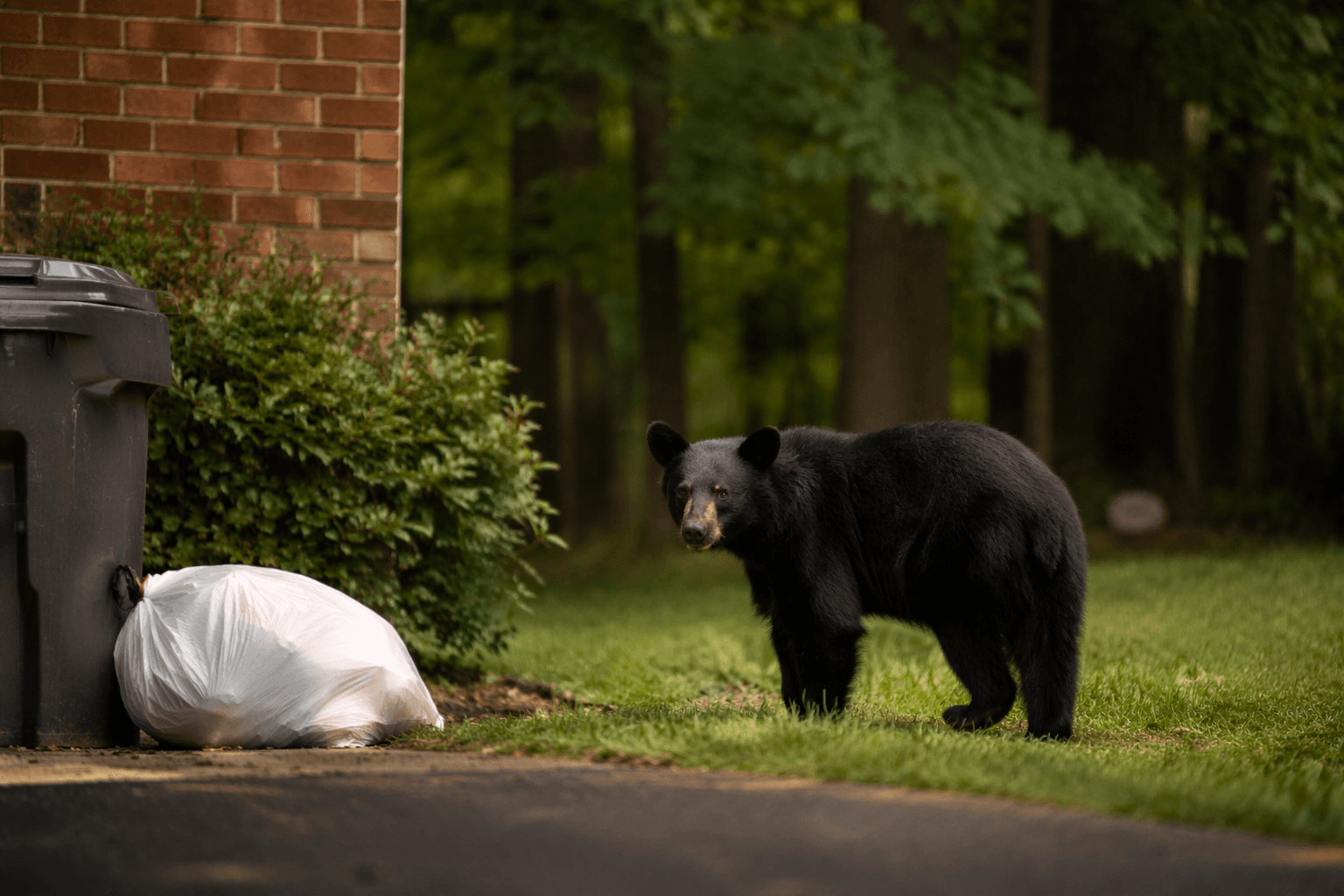
A small black bear was seen in Elon on June 10, giving Alamance County residents a close-up look at a problem that is no longer limited to mountain towns. Local officials said the encounter was unusual for Elon, but it fit a broader pattern across central North Carolina, where bears are moving through neighborhoods that offer easy food and shelter.
Elon assistant police chief Kendrick King said the town does not often deal with bears, though officials try to handle encounters carefully when they happen. North Carolina black bear biologist Jenna Malzahn said bears can be found in 65 percent of North Carolina and that established breeding populations now exist in the Piedmont. UNC Charlotte reporting says the species’ range now covers more than 60 percent of the state, after black bears were once found statewide but were reduced to very low numbers in the mid-1900s.
State wildlife officials say the summer pattern matters. The North Carolina Wildlife Resources Commission says black bear sightings in central North Carolina typically spike from Memorial Day weekend through early summer, when cubs are leaving their mothers, bears are searching for shelter and food, and mating season can push activity higher. The agency also says transient bears have been seen in every county in North Carolina, including large cities, and it does not have a population estimate for bears living in or traveling through the Piedmont. Officials say development is part of the pressure, because North Carolina’s human population keeps growing, new homes are being built in occupied bear range, and bear range is expanding as a result.

For households in Elon and across Alamance County, the advice is straightforward: remove what attracts bears before nightfall. BearWise recommends securing garbage, pet food and bird seed, and alerting neighbors when bears are active. Asheville guidance adds that even bird feeders described as bear proof are not safe when bears are nearby, and recommends putting trash out as late as possible on pickup day and never leaving pet food outdoors overnight. Other deterrents include electric fences, motion-sensor lights and bear-resistant trash cans, along with moving bird feeders or replacing them with wildlife-friendly plantings.
The bear in Elon was more than a neighborhood curiosity. It was a reminder that in the Piedmont, the line between suburban life and wildlife habitat is getting thinner, and that a few basic habits can decide whether a bear passes through or comes back.
This article was produced by Prism’s automated news system from verified source data, official records, and press releases, then run through automated quality and moderation checks before publishing. The system is built and supervised by the people who set the standards it runs under. Read our full AI policy.
Know something we missed? Have a correction or additional information?
Submit a Tip