Burlington updates historic survey for properties built before 1970
Burlington's West Burlington survey now covers properties built before 1970, documenting 318 resources that could shape tax credits, district protection and future exterior rules.
Burlington has updated the West Burlington survey to capture properties built before 1970, a change that could affect what gets protected block by block around South Church Street, Tarleton Avenue and West Webb Avenue. The city’s new work documents 318 resources in the study area, including 137 within the existing National Register Historic District and 181 individual properties outside it.
The survey revises older work from 1982 and 1991, when Burlington focused on buildings built before 1940. City officials say the broader cutoff reflects how the neighborhood’s historic fabric has been re-evaluated as Burlington has grown and changed, especially in a district that has long held some of the city’s oldest residential stock.
The project was funded by a $24,000 Historic Preservation Fund grant and a $6,000 city match, for a total budget of $30,000. Burlington hired hmwPreservation in 2020 to complete the update, with Heather Wagner Slane and Cheri LaFlamme Szcodronski serving as principal investigators and Sunny Townes Stewart handling photography and field assistance. The city held a virtual public open house on April 14, 2021, and a virtual public meeting on November 11, 2021.
For homeowners and property owners, the practical question is what the survey can lead to next. Burlington says architectural surveys can recommend properties for listing in the National Register of Historic Places, either individually or as part of a district. That matters because eligible income-producing historic buildings can qualify for the federal historic rehabilitation tax credit, which covers 20% of qualified rehabilitation expenses when the building is listed in the National Register or certified as contributing to a registered historic district.
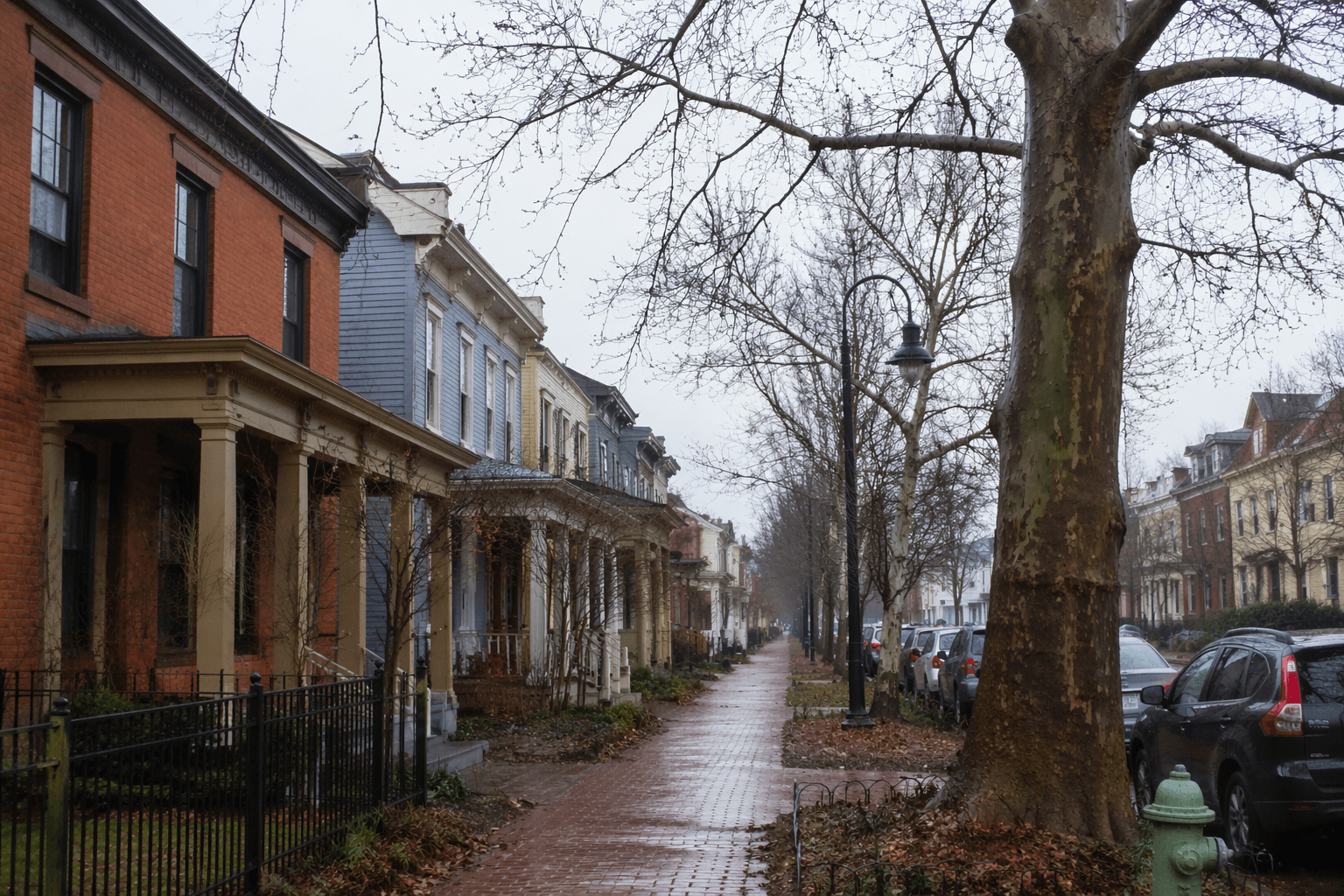
West Burlington already carries a large preservation footprint. Burlington designated it as the city’s first locally protected historic district in 1987, and the district includes about 160 primary structures. The city describes it as the most significant collection of late-19th- and 20th-century residential construction in Burlington, with surviving Queen Anne, period revival, four-square and bungalow houses along streets including West Front Street, West Davis Street, Fountain Place, Trollinger Street, Peele Street and Fisher Street.
That makes the survey more than an inventory. In West Burlington, it is also a map of which homes and buildings may qualify for future recognition, which projects may need preservation review, and where restoration could draw tax benefits instead of simply adding restrictions. Preservation Alamance, formed in October 2016 in response to demolition concerns, says Alamance County now has 17 historic districts listed on the National Register, underscoring how deeply preservation policy already reaches into neighborhood planning across the county.
This article was produced by Prism’s automated news system from verified source data, official records, and press releases, then run through automated quality and moderation checks before publishing. The system is built and supervised by the people who set the standards it runs under. Read our full AI policy.
Did this article answer your question?