Deputy uses PIT maneuver to stop wrong-way driver near Burlington
A wrong-way car on I-40/85 nearly hit another vehicle before a deputy used a PIT maneuver near Burlington, ending the chase in Alamance County.
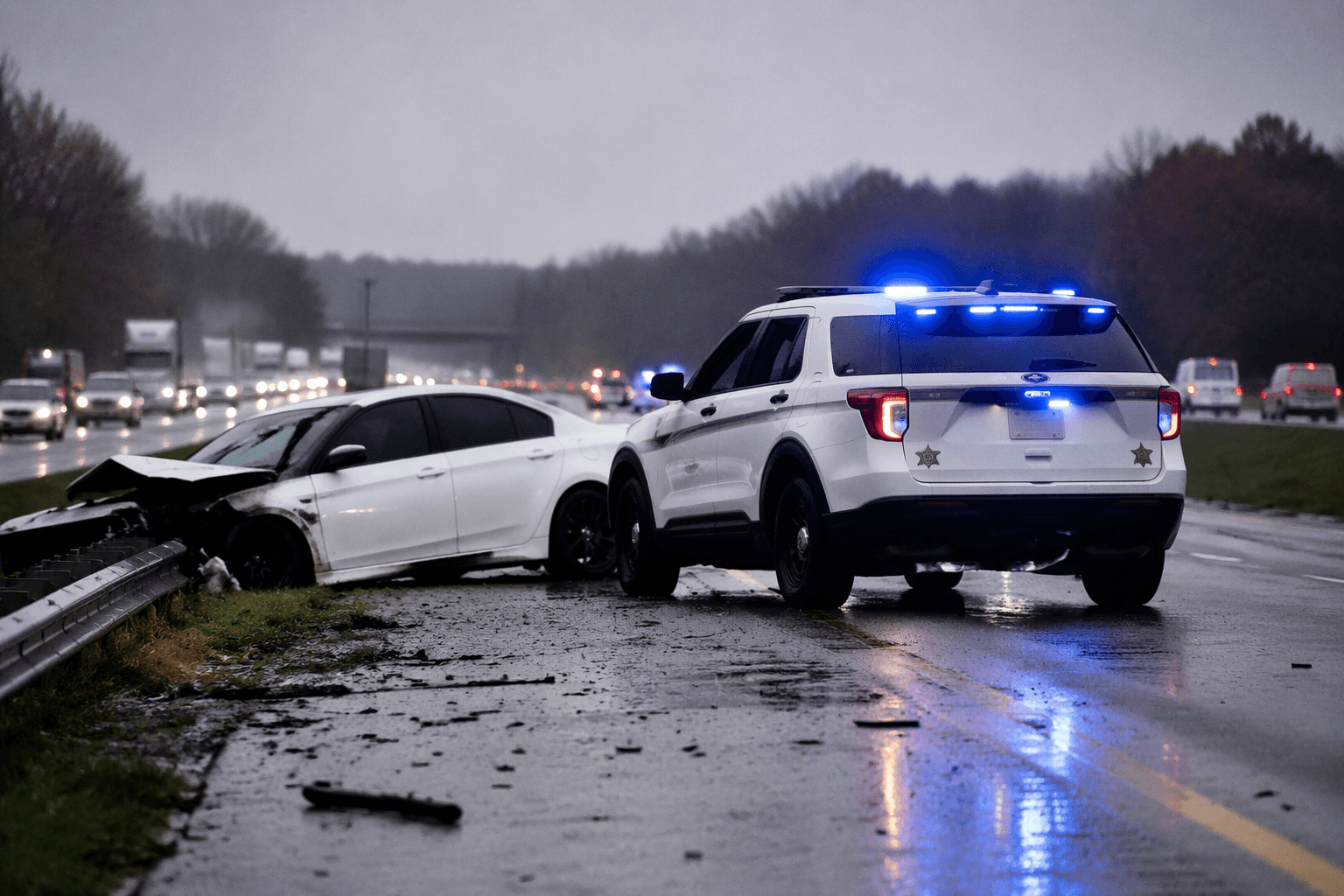
A deputy used a PIT maneuver to stop a wrong-way driver on Interstate 40/85 near Burlington after the vehicle crossed into oncoming lanes and nearly struck a second car. The encounter turned a late-night traffic stop into a fast-moving interstate hazard, the kind that can become a head-on crash in seconds.
Local coverage identified the stop as part of an Alamance County Sheriff’s Office response on the Burlington stretch of I-40/85. One account says the driver fled after the deputy tried to stop the vehicle, then kept moving the wrong way until the deputy forced the stop with the PIT maneuver. Related coverage attached the name Alicia Levare King to the case and used the tag “flee to elude,” pointing to the likelihood that the incident was being handled as more than a routine traffic violation.
The episode highlights a corridor risk that stretches beyond one chase. Interstate 40/85 is one of the county’s busiest high-speed routes, and wrong-way entries on that roadway can put motorists in direct conflict with traffic moving at freeway speed. In this case, the near-miss with a second vehicle shows how quickly a mistaken turn or deliberate wrong-way entry can escalate into a life-threatening emergency near Burlington.
PIT maneuvers are treated in law-enforcement policy as controlled interventions, not ordinary stop tactics. Public pursuit manuals describe the technique as a tool to be used when the danger of letting a fleeing driver continue is greater than the danger created by the maneuver itself. Those same policies stress that vehicle pursuits expose officers, drivers and bystanders to serious injury or death, which is why agencies reserve PIT for situations where the risk has already climbed well beyond a normal roadside stop.
For drivers who encounter a wrong-way vehicle, the safest move is to get out of the path as quickly as possible, keep distance, and alert 911 if it can be done safely. On a divided interstate like I-40/85, that means treating a wrong-way car as an immediate head-on threat and giving deputies room to intervene before the situation turns deadly.
This article was produced by Prism’s automated news system from verified source data, official records, and press releases, then run through automated quality and moderation checks before publishing. The system is built and supervised by the people who set the standards it runs under. Read our full AI policy.
Did this article answer your question?