Driver charged after wrong-way chase on Interstate 40 in Alamance County
Multiple 911 calls sent deputies to I-40/85 near Burlington after a white Mercedes drove the wrong way near Exit 145. The driver was later charged after a high-risk chase.
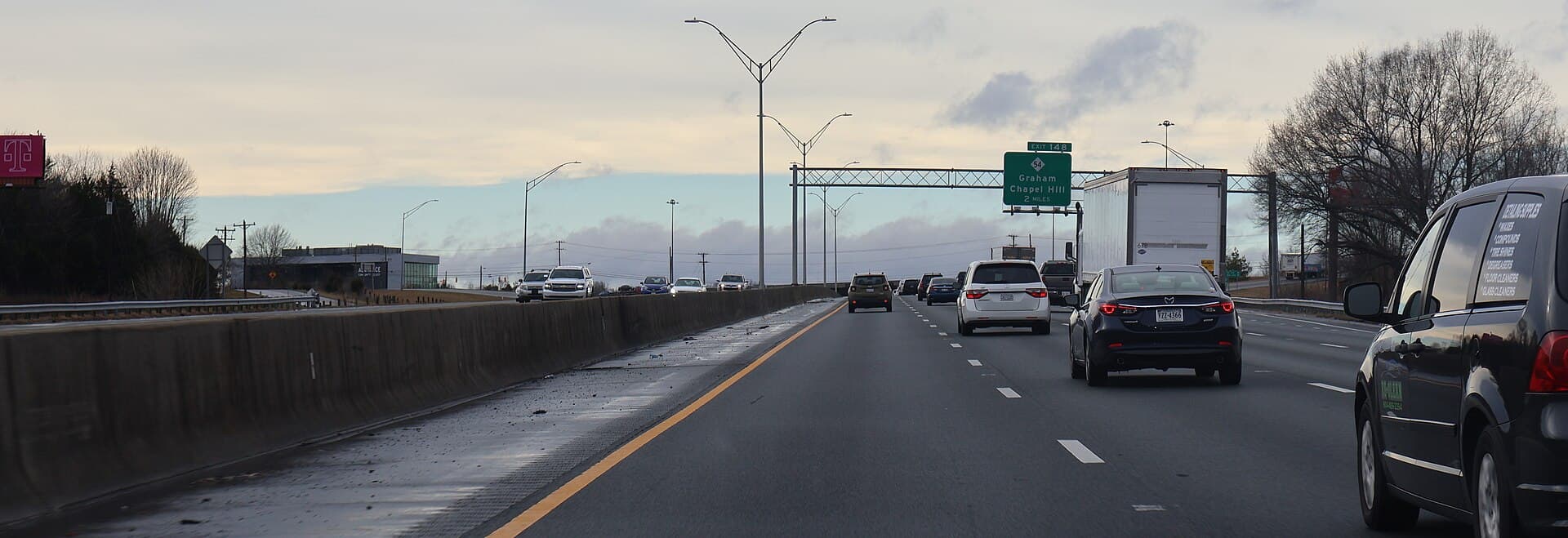
Multiple 911 calls sent Alamance County deputies to Interstate 40/85 near Burlington around 1:45 a.m. after a vehicle was reported driving east in the westbound lanes. Deputies said the car was a white Mercedes, and a nearby deputy, Deputy Louizes, began searching with lights and sirens activated.
Deputy Louizes spotted the Mercedes going the wrong way near Exit 145, a stretch of highway that carries commuters, freight traffic and travelers across the Triad. The vehicle did not stop immediately. A later stop involved a PIT maneuver, a tactic used to bring a fleeing car to a controlled halt.
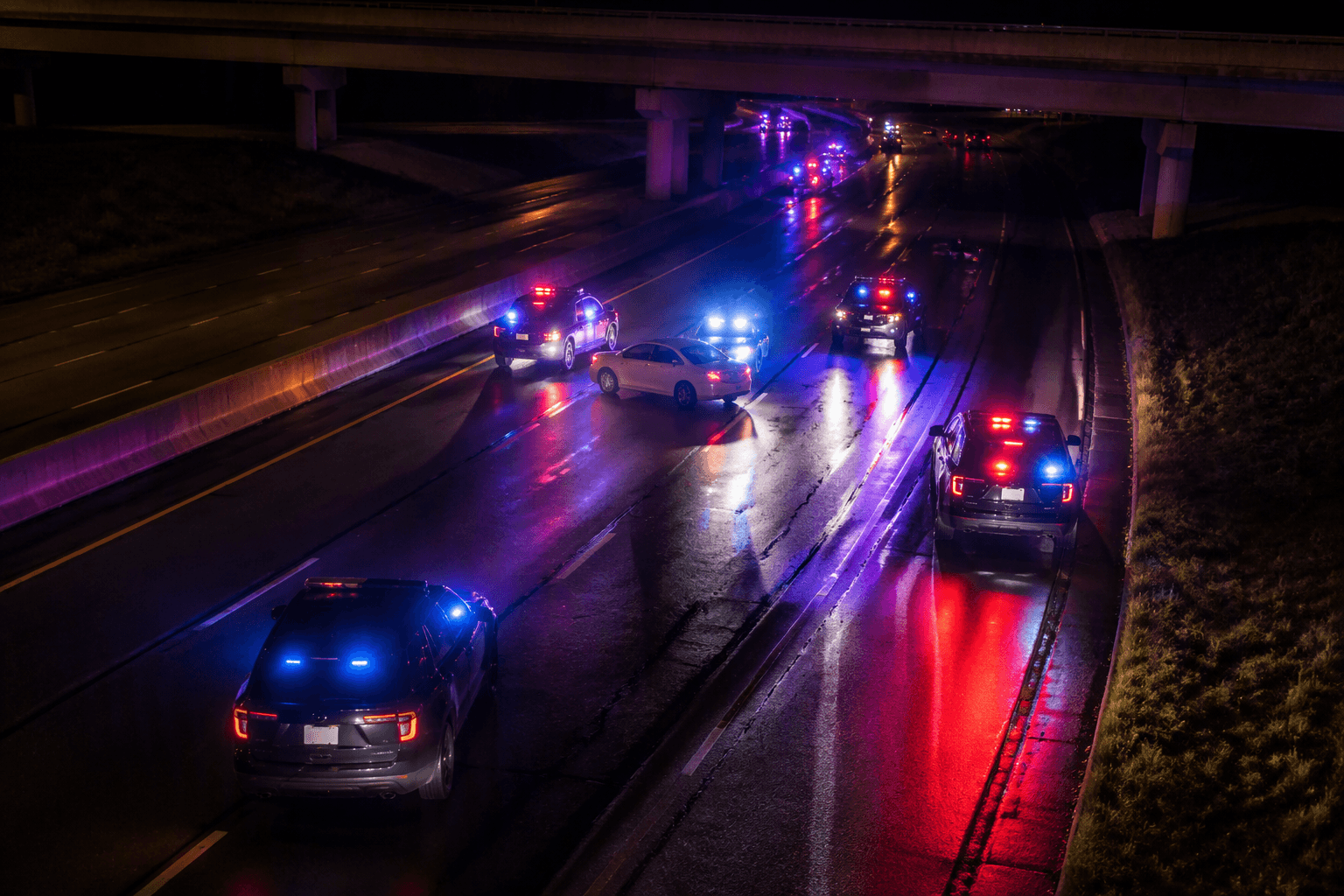
Authorities charged the driver after the wrong-way chase, underscoring how quickly a highway pursuit can become a public-safety emergency on one of Alamance County’s busiest roads. Westbound drivers on I-40/85 had little room to react if the Mercedes met traffic head-on, turning one driver’s decision into a risk for everyone sharing the corridor.
The incident also fits a broader pattern of wrong-way driving on major North Carolina highways. Wrong-way crashes on I-40 have turned deadly elsewhere in the state, and Raleigh police charged Aleyda Josmari Soriano-Coto after she drove the wrong way on Interstate 540 and caused a head-on crash. Those cases show why law enforcement treats wrong-way driving as more than a traffic violation when it happens at highway speeds.
In Alamance County, the combination of a wrong-way vehicle, a nighttime response and a pursuit along I-40/85 put the focus on both the charge and the stop itself. The sheriff’s office response on a crowded regional artery made clear that this was not a routine traffic stop, but a high-danger incident with immediate consequences for other motorists.
This article was produced by Prism’s automated news system from verified source data, official records, and press releases, then run through automated quality and moderation checks before publishing. The system is built and supervised by the people who set the standards it runs under. Read our full AI policy.
Did this article answer your question?