Drought worries rise in Saxapahaw as county weighs big subdivisions
Drought fears around Saxapahaw are sharpening, but county lawyers say Alamance cannot legally pause two subdivisions that could add more than 900 homes.

Dry wells and shrinking groundwater have put Saxapahaw at the center of Alamance County’s latest growth fight, but county leaders were told the drought does not give them legal power to stop two large rural subdivisions outright. The clash has sharpened over Hunter’s Ridge and Morrow Mill, projects that could bring more than 900 homes to the unincorporated countryside around Saxapahaw.
At a June 18 meeting, county attorney Rik Stevens and other officials said there is no authority to impose a moratorium simply because drought conditions have worsened. They also said the county’s current development rules give planning staff little discretion so long as an application meets the required standards. That has left opponents pushing for tools the county still controls, including water planning, permitting conditions and infrastructure review.
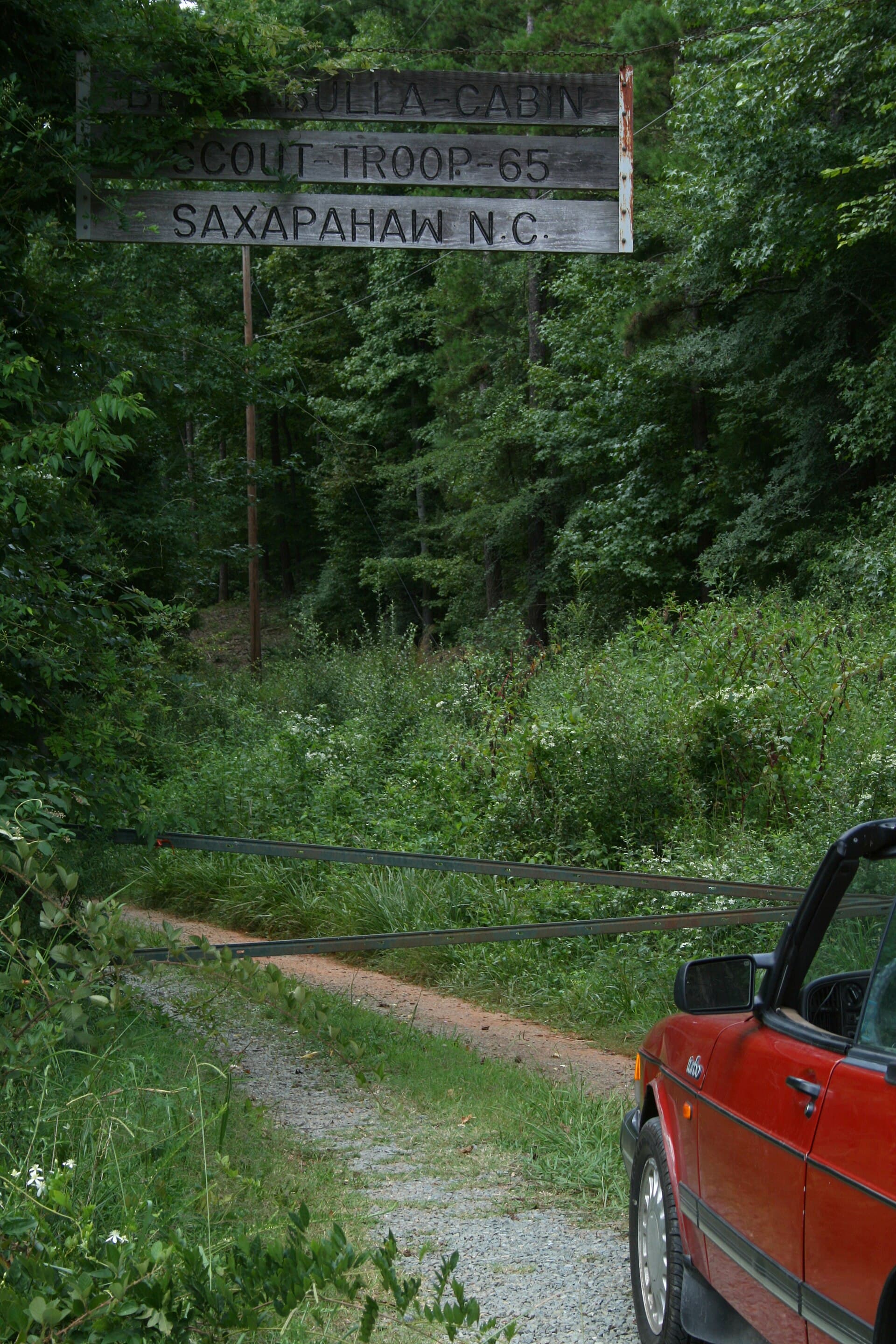
The scale of the two projects explains why the issue has spread quickly through the community. Morrow Mill is described as a proposal for about 541 single-family homes on 440 acres between Morrow Mill Road and Austin Quarter Road. Hunter’s Ridge is sketched at more than 400 homes on about 374 acres off Austin Quarter Road. Both would rely on communal septic systems and wells, which has intensified fears that the area’s water and wastewater capacity could be stretched beyond what the land can handle.
Those fears were on display June 2, when more than 70 neighbors and supporters gathered at the Lloyd family farm on Lloydtown Road to press commissioners Steve Carter and Sam Powell for zoning ordinances and a stop to the developments. Residents said roughly 1,000 homes would be too much for the area and called for stronger guardrails, including water testing and broader review of emergency-service capacity.
The county’s authority is split between offices, and that matters in Saxapahaw. The Alamance County Planning Department oversees land development only in the unincorporated parts of the county, while Alamance County Environmental Health handles septic and well permitting, inspections, well water sampling and guidance for well owners. Septic-site evaluations consider topography, soil characteristics, soil wetness, soil depth, restrictive horizons and whether enough space exists for both a primary system and a repair area.
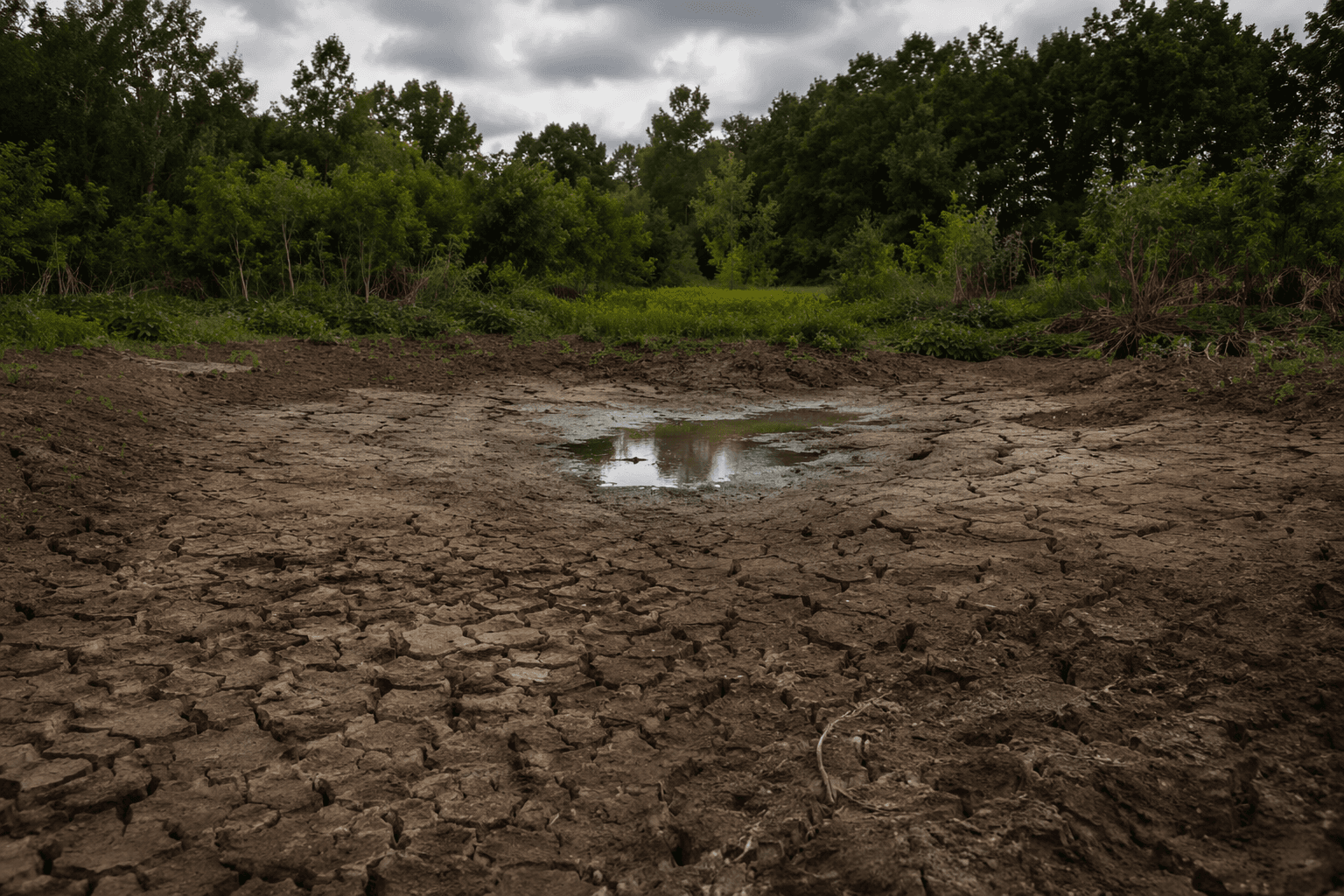
The drought is not just a talking point. The June 18 U.S. Drought Monitor map was based on data valid June 16, the same day the North Carolina Drought Management Advisory Council updated its drought advisory. Drought.gov says 151,131 people in Alamance County are affected by drought, that the county had its 18th driest May on record and its second driest January-through-May period in 132 years.
The planning fight also fits a longer county pattern. A county strategic plan review says Planning Board research on rural preservation subdivision regulations was underway in 2013, and commissioners adopted the Alamance County Farmland Preservation Program on November 20, 2006. Planning staff and the Planning Board have recently revisited a rural preservation ordinance rejected last year, and the board has formed a subcommittee to keep working on it, a sign that the county’s answer to growth pressure is still being written.
This article was produced by Prism’s automated news system from verified source data, official records, and press releases, then run through automated quality and moderation checks before publishing. The system is built and supervised by the people who set the standards it runs under. Read our full AI policy.
Know something we missed? Have a correction or additional information?
Submit a Tip