Elon council backs budget with tax hike, new fees and pay changes
Elon residents are facing higher tax bills, a 7% utility hike and new trash and parking fees as council advanced a $13.6 million budget.

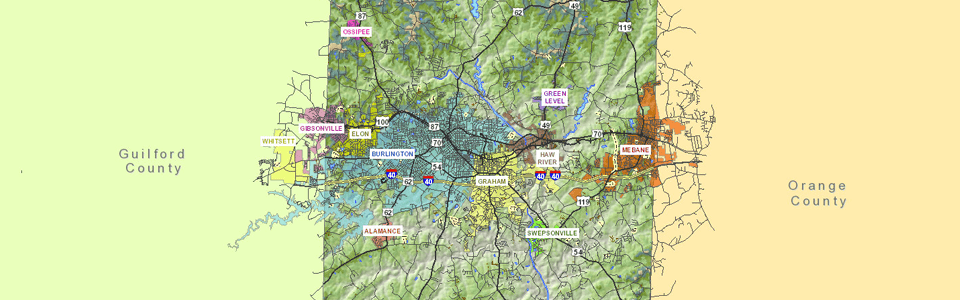
Elon residents are looking at a higher town tax bill, steeper utility charges and new user fees after the town council moved ahead with a budget that raises the property tax rate from 35 to 40 cents per $100 of valuation. The 5-cent increase would bring in about $460,000 in new general-fund revenue, and a home assessed at $300,000 would pay about $150 more a year before any new fees or utility hikes.
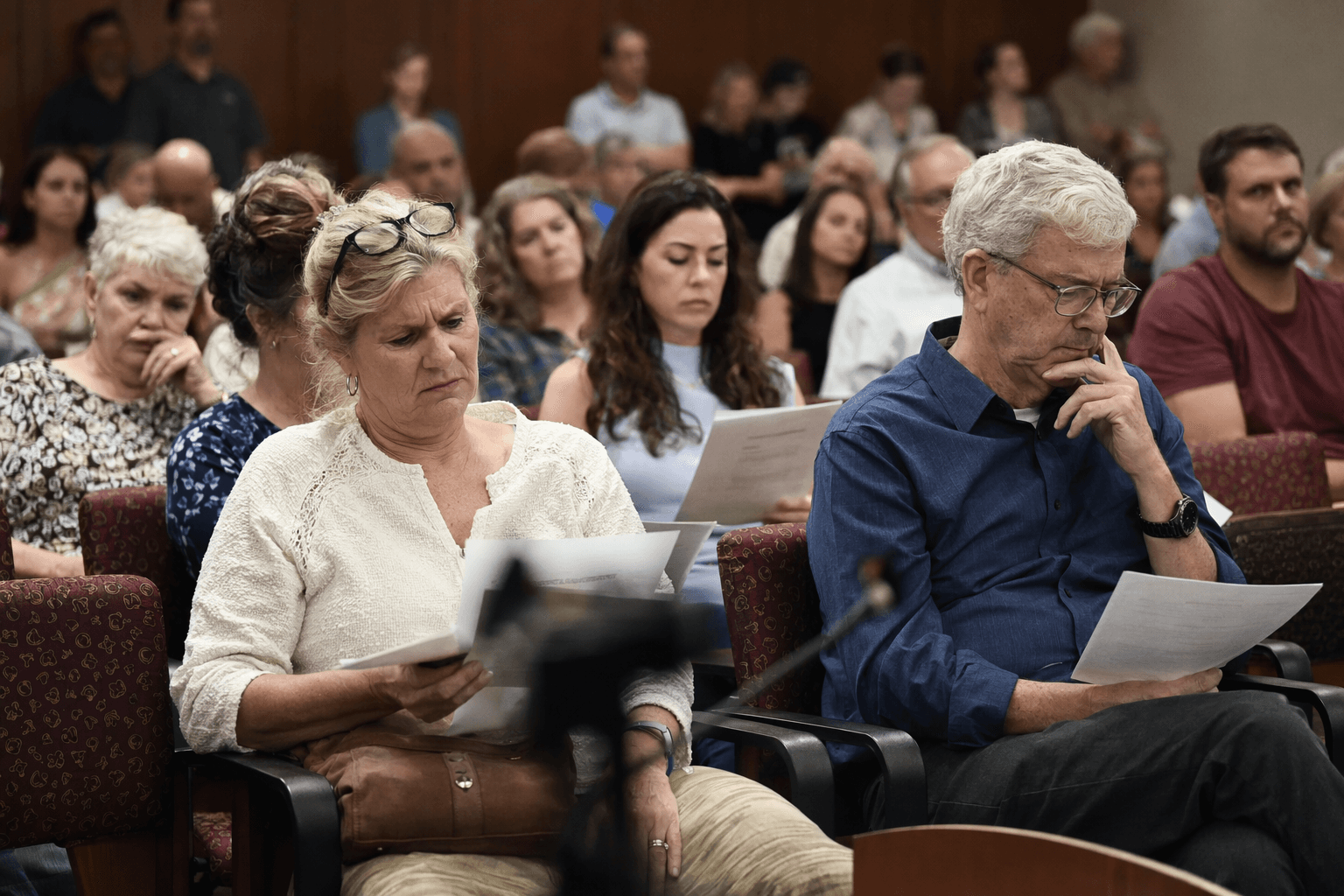
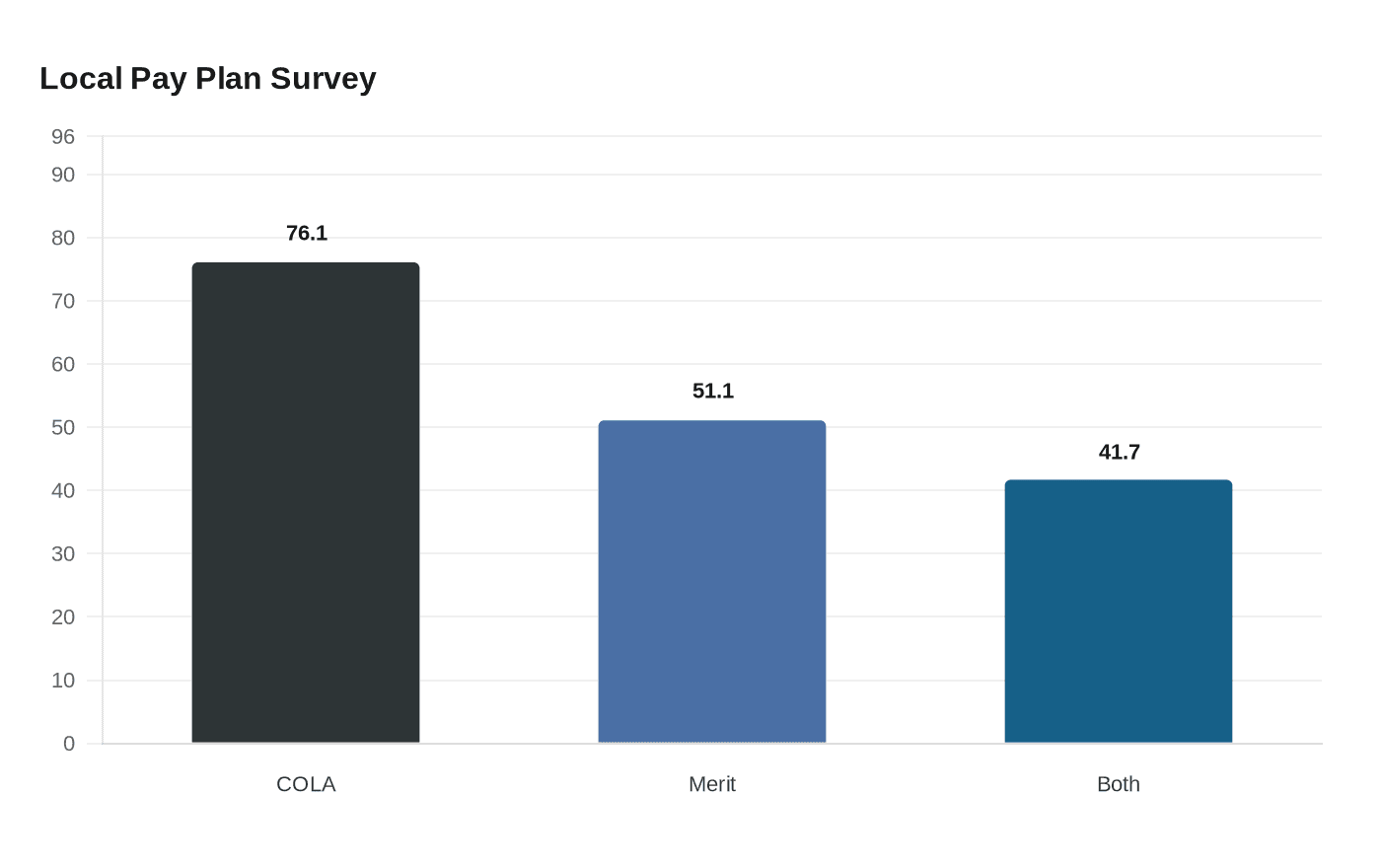
The May 14 hearing centered less on broad public comment than on employee pay. Two town workers spoke in hopes of preserving a customary merit-based raise, but Town Manager Richard Roedner’s latest proposal replaces that idea with a larger cost-of-living adjustment for all staff. The shift mirrors a broader pattern across North Carolina local government, where a May survey by the North Carolina League of Municipalities and the North Carolina Association of County Commissioners found 76.1% of responding governments planned a COLA, 51.1% planned merit raises and 41.7% planned both.
Roedner’s budget calls for $13.6 million from the general fund, which pays for most town services and operations. To close the gap, the plan adds new fees for curbside trash collection and parking and raises water and sewer charges by 7%. Roedner has said the higher utility rate is tied in part to expected fee increases from Burlington, which provides treated water to Elon and handles the town’s sewer emissions.
The council’s move also lays bare a longer-running financial strain. Mayor Emily Sharpe has said Elon has not raised its tax rate since 2017, even as personnel costs have increased for nine straight years and sales-tax growth has slowed. Earlier reporting said sales-tax growth was less than 1% in the prior year after an earlier 11% increase. Roedner has said he wants to reduce the town’s dependence on fund-balance reserves and shift the budget toward recurring revenue instead of savings.
That concern came into sharper focus in April, when council voted 3-2 to support the 5-cent hike and reject a larger 7-cent increase some members wanted because of possible future state limits on tax hikes. At that point, the town’s general fund held nearly $11.6 million in unassigned savings, about 88% of annual outlays, while the original draft still required about $1.1 million from fund balance to balance.
The budget calendar still points to final council action June 9, with state law requiring adoption by June 30 for the fiscal year that begins July 1. The real test is whether Elon is solving a one-year squeeze or confronting a structural problem that will keep forcing repeated tax and fee increases.
This article was produced by Prism’s automated news system from verified source data, official records, and press releases, then run through automated quality and moderation checks before publishing. The system is built and supervised by the people who set the standards it runs under. Read our full AI policy.
Did this article answer your question?