Elon Law Graduates Urged to Serve Those Facing Hardship
North Carolina Supreme Court Justice Phil Berger Jr. delivered the commencement address to Elon University School of Law’s Class of 2025, urging new lawyers to engage directly in service and advocacy for people in need. The ceremony celebrated 136 graduates at Alumni Gym on Dec. 12, 2025, and highlighted the class’s strong philanthropic support for fellow students and the local community.
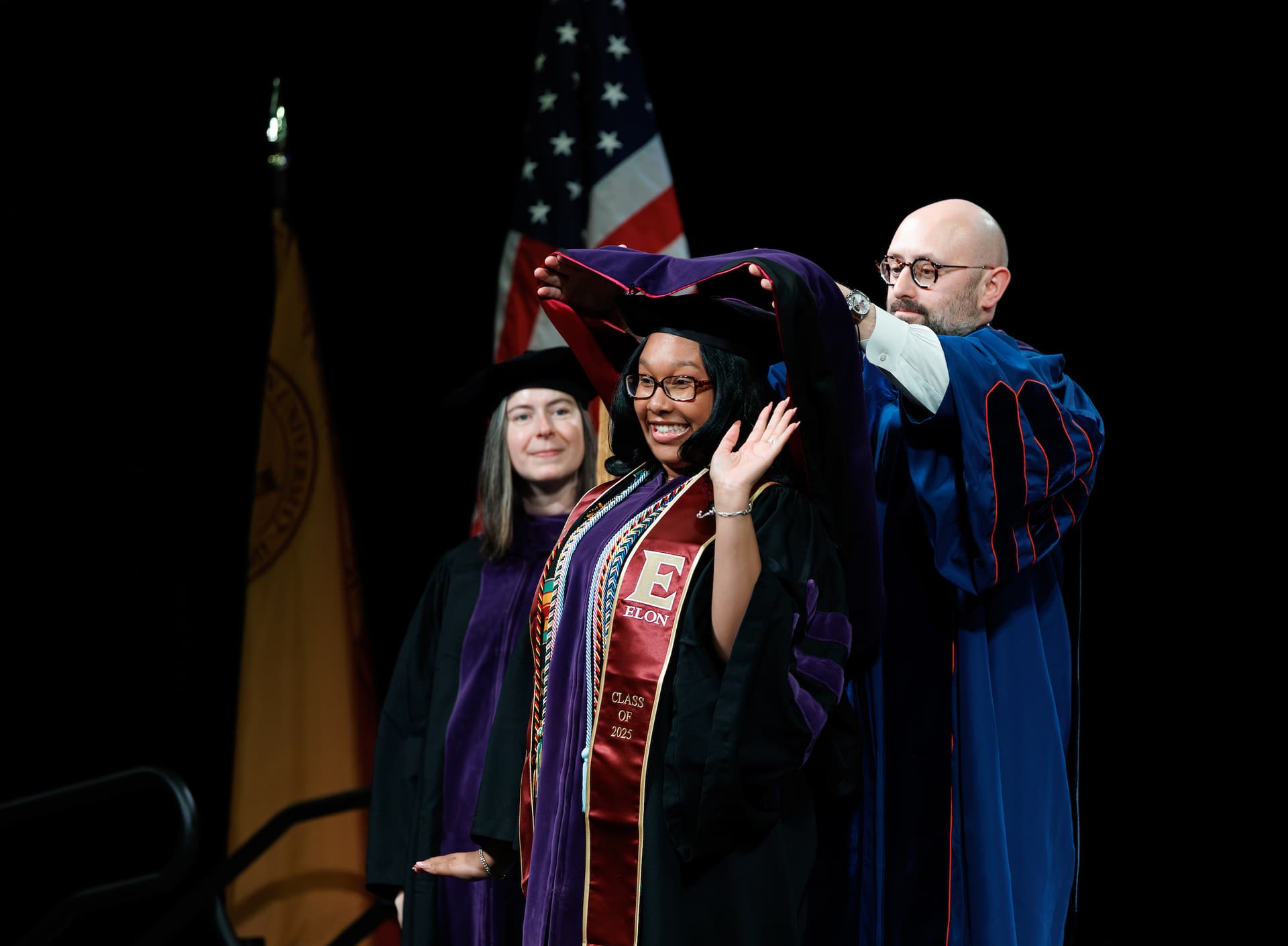
North Carolina Supreme Court Justice Phil Berger Jr. told Elon University School of Law graduates that the practice of law should include direct engagement with communities in crisis, urging them to 'get in the well' and stand with people experiencing hardship. The commencement ceremony for the Class of 2025 took place at Alumni Gym on Dec. 12, 2025, where 136 graduates were celebrated for their experiential learning and commitment to service.
Elon University President Connie Ledoux Book delivered a charge to the new alumni, noting the program's emphasis on hands on training and public service. The ceremony included a remembrance for Grayson Harris Rehm L’25, honoring a member of the class who will be remembered by peers and faculty. A majority of the graduating class contributed to the Student Emergency Fund, a collective act of philanthropy that organizers said reflects a culture of mutual aid among students and rising lawyers.
For Alamance County, the themes raised at commencement carry practical consequences. New attorneys trained in experiential clinics and public interest work can expand legal help for residents facing housing instability, barriers to health care access, and other legal needs that shape community health. Legal advocacy affects social determinants of health, from eviction and employment disputes to access to Medicaid and disability benefits. Local clinics and court based services often rely on early career lawyers for capacity and innovation, so the class’s orientation toward service may translate into more legal resources for low income residents.

The prominence of the Student Emergency Fund at graduation also signals gaps in student and community safety nets. Emergency funds serve as immediate support for unexpected expenses including housing, food, and medical needs, and broad participation in that fund suggests both solidarity and ongoing need. As these graduates enter practice, their choices about public interest careers, pro bono commitments, and policy advocacy will influence how the county addresses inequities in health and legal access.
Graduation day honored achievement and also issued a call to action. With practical skills and a service ethic emphasized by university leaders and by Justice Berger, those who received diplomas are being asked to use the law to reduce hardship and advance equity in Alamance County and beyond.
This article was produced by Prism’s automated news system from verified source data, official records, and press releases, then run through automated quality and moderation checks before publishing. The system is built and supervised by the people who set the standards it runs under. Read our full AI policy.
Did this article answer your question?


