Elon professor Archie Crowley explores language, mentorship and belonging
Archie Crowley’s rise at Elon shows how language, mentorship and Pride programming shape who feels at home on campus in Alamance County.
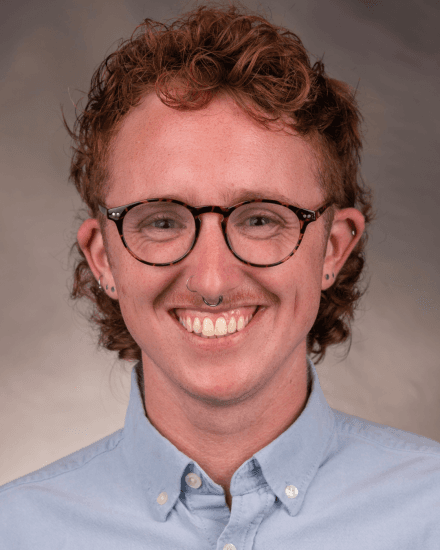
Elon University is showing that a campus climate can change one conversation at a time. Assistant professor of English Archie Crowley has become a visible part of that shift, linking scholarship on queer and trans language with the day-to-day mentoring that helps students feel seen, supported and ready to stay engaged.
Language as a form of belonging
Crowley’s work starts from a simple but consequential idea: the words people choose can decide whether someone feels respected or excluded. That focus runs through research in sociolinguistics, linguistic anthropology, discourse analysis and language ideologies, with special attention to trans, nonbinary and queer linguistics.
At Elon, that research is not kept at arm’s length from student life. It is used to explain why naming, pronouns and everyday speech carry such weight in queer and trans communities, especially in the U.S. South. Crowley’s dissertation examined transgender language practices in South Carolina through 20 ethnographic group and individual interviews with 41 transgender individuals, grounding the professor’s scholarship in real community experience rather than abstraction.
That depth matters on a campus like Elon, where students encounter these questions in classrooms, residence halls and campus organizations. Crowley’s profile shows how academic language study can shape how a university talks about identity, respect and inclusion across Alamance County and beyond.
Mentorship that began before the job offer
Crowley’s own path at Elon was shaped by a search for connection. During the hiring process, Crowley sought out a trans faculty member and found important support from Kirstin Ringelberg, a professor of art history who has been on the faculty for more than 20 years. That relationship became more than a welcome gesture. It offered a model for how institutional memory can help newer faculty navigate campus as trans people.
The significance of that support reaches beyond one appointment. It shows how a university’s internal culture can either isolate new colleagues or give them the confidence and knowledge to build lasting community. Crowley’s experience underscores a larger lesson for higher education in Alamance County: faculty retention, belonging and student support are connected, and they often depend on whether people already inside the institution are willing to make room for those arriving next.
Crowley is now positioned to pass that support forward. Next year, the professor will serve as coordinator of the Women’s, Gender and Sexualities Studies program, a role that places mentorship, pedagogy and scholarship even closer to the center of campus life.
How students are already feeling the impact
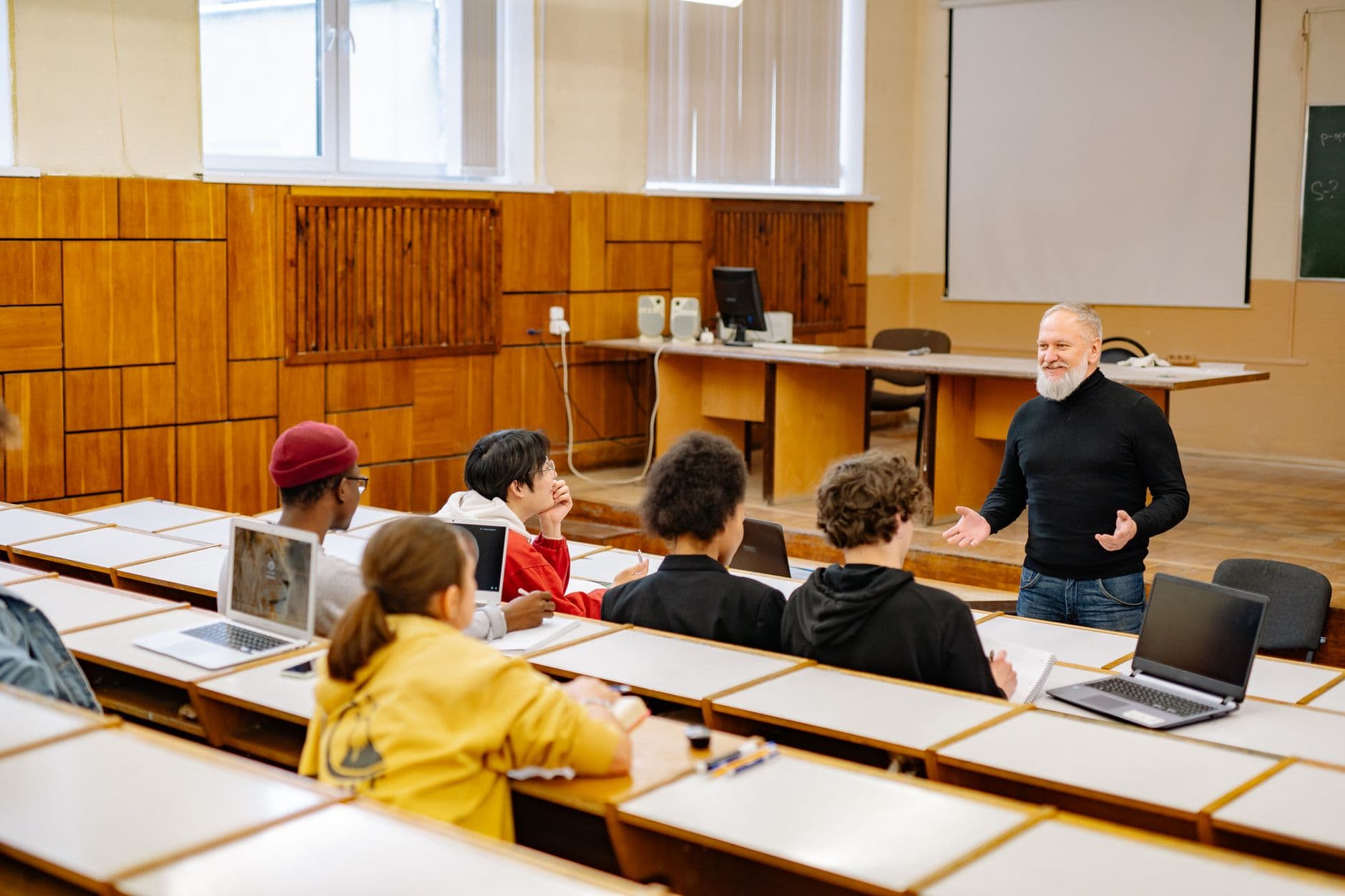
The clearest sign of Crowley’s influence may be in the students who discover a new academic direction because of a classroom. Undergraduate Azul Bellot entered one of Crowley’s linguistics courses as a psychology major and left with a growing interest in the field. That kind of shift matters because it shows mentorship working in real time, not as an abstract value but as a concrete academic outcome.

Crowley’s presence gives students a faculty member who treats language as something alive, socially meaningful and open to questions about identity and power. For LGBTQ+ students, that visibility can make a campus feel less anonymous. For other students, it can open a route into linguistics, gender studies and public-facing scholarship that connects classroom learning to real communities.
Crowley has also taught or led trans inclusion training for faculty and instructors, which broadens that influence beyond a single course. When faculty members receive guidance on how to build more inclusive classrooms, the effect can spread across departments and shape the tone of the campus as a whole.
Why the timing matters at Elon
Crowley’s profile arrives as Elon is publicly framing Pride Month as more than a symbolic observance. The university’s Gender & LGBTQIA Center says it offers events, resources and guidance for Pride Month, including a Pride Month Community Coffee. That matters because it places Crowley’s story within a broader campus framework rather than treating inclusion as an isolated personal achievement.
The Women’s, Gender & Sexualities Studies program also provides important context. Elon describes the program as a home for mentoring, pedagogy and scholarship aimed at ending injustice in local and global communities. Crowley’s upcoming role as coordinator fits directly into that mission and signals that the program’s growth is continuing, not stalling.
That growth has been visible for some time. A 2024 Elon Women’s and Gender Studies South conference included a roundtable on the future and growth of the program, suggesting that the university has already been thinking about how to expand its academic and community impact. Crowley’s move into coordination now gives that long-running effort a new point of leadership.
Scholarship with reach beyond campus
Crowley’s academic work has already drawn attention beyond Elon. The university reported in January 2026 that Crowley’s article was the most read article in the Journal of Linguistic Anthropology in 2025, a sign that the scholarship resonates in wider conversations about race, gender and language. That external reach strengthens the professor’s role on campus, because it shows students that local teaching can connect to national scholarly debates.
For Alamance County, the larger significance is straightforward. Elon is one of the institutions that shapes the region’s educational and cultural life, and the way it supports faculty and students affects how the county presents itself to young people, families and prospective students. Crowley’s profile points to a campus where mentorship, research and visibility are becoming part of the same conversation.
In that sense, the story is not only about one professor’s academic specialization. It is about how a university builds a place where students can learn, queer and trans faculty can lead, and language itself can become a tool for belonging.
This article was produced by Prism’s automated news system from verified source data, official records, and press releases, then run through automated quality and moderation checks before publishing. The system is built and supervised by the people who set the standards it runs under. Read our full AI policy.
Did this article answer your question?


