Elon University highlights Pride Month resources and campus support
Elon’s Pride Month Community Coffee on June 9 pairs a free drink with direct access to campus support, from housing to training, for LGBTQIA students and allies.
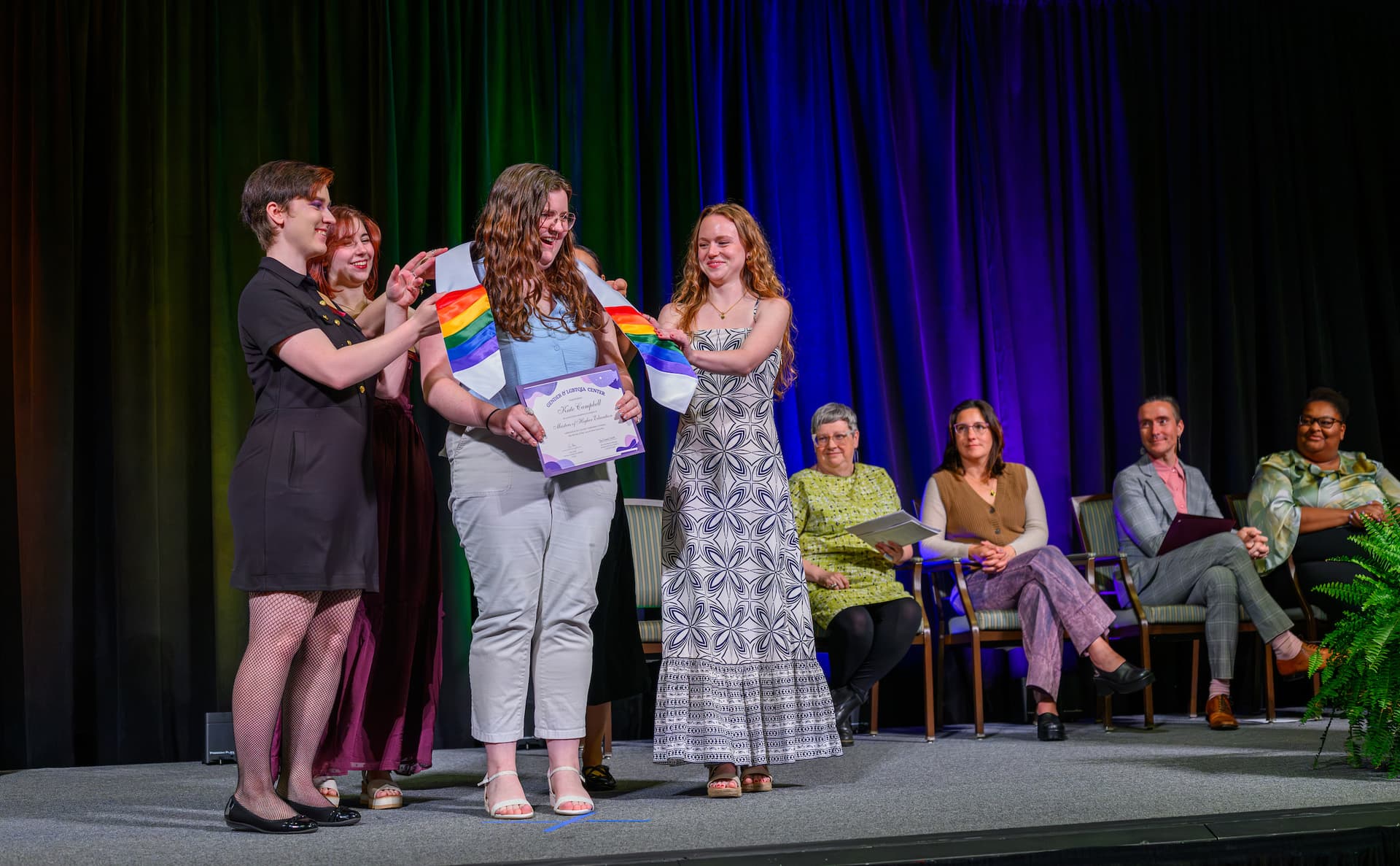
Pride Month event puts Elon’s support network in plain view
Elon University’s Gender & LGBTQIA Center will host a Pride Month Community Coffee on Tuesday, June 9, from 9:30 a.m. to 11:00 a.m. at Irazu Coffee in Moseley Center, where attendees can receive one medium iced or hot drink. The event is small by design, but its value is practical: it gives students, faculty, staff, and allies a direct path into the university’s support system at a time when visibility and belonging matter.
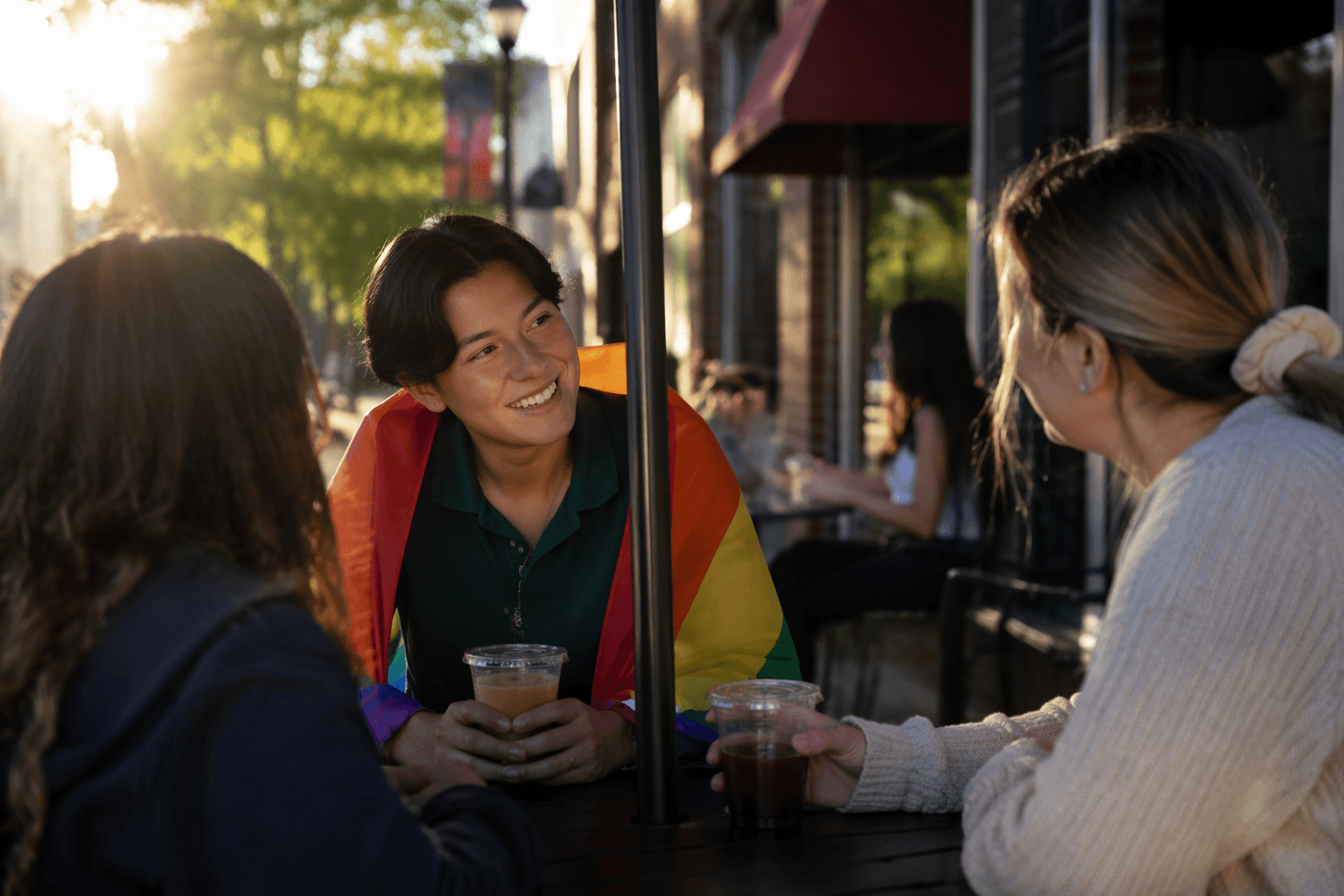
That matters in Alamance County because Elon is one of the area’s most visible institutions. When the university chooses to foreground Pride Month, it is not only marking a calendar date. It is signaling how it wants campus life to function, and by extension, how local partners, student groups, and families understand inclusion across the community.
Why Pride Month at Elon is tied to more than celebration
Pride Month is recognized globally in June to honor the Stonewall Riots, which followed a police raid on June 28, 1969, at the Stonewall Inn in New York City. The observance became official in the United States in 1999, when President Bill Clinton proclaimed June as Gay and Lesbian Pride Month. Elon has also noted that it sometimes recognizes Pride Month in May, when students are still on campus, which makes the programming easier to use in the academic calendar even as the broader observance remains anchored in June.
That timing reflects the point of the month at Elon: it is meant to be useful, not symbolic. For students balancing internships, summer moves, and end-of-year transitions, Pride Month programming becomes a way to find resources before they need them in a crisis. For the wider campus, it is a reminder that support is supposed to extend beyond classroom walls.
What the Gender & LGBTQIA Center actually provides
Elon describes the Gender & LGBTQIA Center as a campus and community partner that works to support, advocate, and educate around gender and LGBTQIA identities. Its reach is broader than one student group or one June event. The center says its efforts include support for LGBTQIA students, faculty and staff, survivors of gender-based violence, and education on allyship and prevention, with events open to allies.
The center’s support structure includes several concrete resources that students can use right now:
- More than 120 universal restrooms across campus
- Gender-inclusive housing
- A Gender and Sexuality Living Learning Community
- Requests for LGBTQIA presentations and trainings
- The GAP Fund for eligible students connected to the center
- The Truitt Center and other campus partners that help extend programming
Elon also points to long-running student and community groups that help make the work durable. Spectrum, the university’s queer-straight student alliance, has existed for more than 20 years. The LGBTQIA Alumni Network connects graduates and advocates for the community. The Spirit and Pride Initiative supports LGBTQIA students of faith, while RISE supports LGBTQIA students of color. CLEAR coordinates events and presentations focused on gender-based violence awareness and prevention. Together, those groups show that Pride Month is tied to a year-round support system, not a one-time statement.
A calendar built around visibility and belonging
The June coffee sits alongside a recurring lineup that has become part of Elon’s campus rhythm. Each semester, the Gender & LGBTQIA Center hosts a large pride festival outside on campus. The university also holds Lavender Celebration and Lavender Graduation to honor LGBTQIA and ally graduating seniors, along with programming such as Spring Pride, Dragstravaganza, Kiki Ball, and Rainbow Boba.
That mix of events matters because it answers different needs at different stages of student life. Some students are looking for a social entry point, some want visibility, some want a safe place to be recognized at graduation, and some need practical support around housing, finances, or identity-based challenges. Elon’s approach suggests the university understands that campus climate is built through repeated contact, not just a single headline event.
The university’s Pride Month messaging also rests on an established institutional record. Elon says it has been nationally ranked for more than 10 years as a "Top 30 Best of the Best LGBTQ-Friendly Universities in the U.S." by Campus Pride. That gives this year’s observance a longer arc: Pride Month is not being used as a new experiment, but as a way to reinforce an identity the university says it has cultivated over time.
How to connect with the center this summer
The Gender & LGBTQIA Center is open Monday through Friday from 8 a.m. to 5 p.m. during the summer and is closed on holidays. Students, staff, and community members can reach the center by email at glc@elon.edu or by phone at 336-278-6228.
That contact information is important because it turns Pride Month from a poster campaign into a point of entry. The June 9 coffee at Irazu Coffee gives the center a visible public moment, but the larger story is that Elon is using Pride Month to make its support infrastructure easier to find. In a county where the university’s culture shapes a wider civic conversation, that kind of access is the real takeaway.
This article was produced by Prism’s automated news system from verified source data, official records, and press releases, then run through automated quality and moderation checks before publishing. The system is built and supervised by the people who set the standards it runs under. Read our full AI policy.
Did this article answer your question?


