Gibsonville adopts $19.1 million budget, holds property tax rate steady
Gibsonville kept its 53-cent tax rate, but a $19.1 million budget shifts more of the bill to water and sewer customers and pay raises for town workers and officials.
Gibsonville’s 5-0 budget vote means a homeowner’s town property-tax bill will not change on the municipal side this year, even as the town adopted a $19.1 million spending plan and ignored this year’s Guilford County-side revaluation. A home assessed at $200,000 would still owe $1,060 a year in Gibsonville property taxes at the unchanged 53-cent rate per $100 of valuation.
The budget takes effect July 1 and follows a public hearing June 1 that drew no speakers. Town officials presented the recommended spending plan May 18 before the board of aldermen, a five-member body elected at large under Gibsonville’s council-manager form of government.
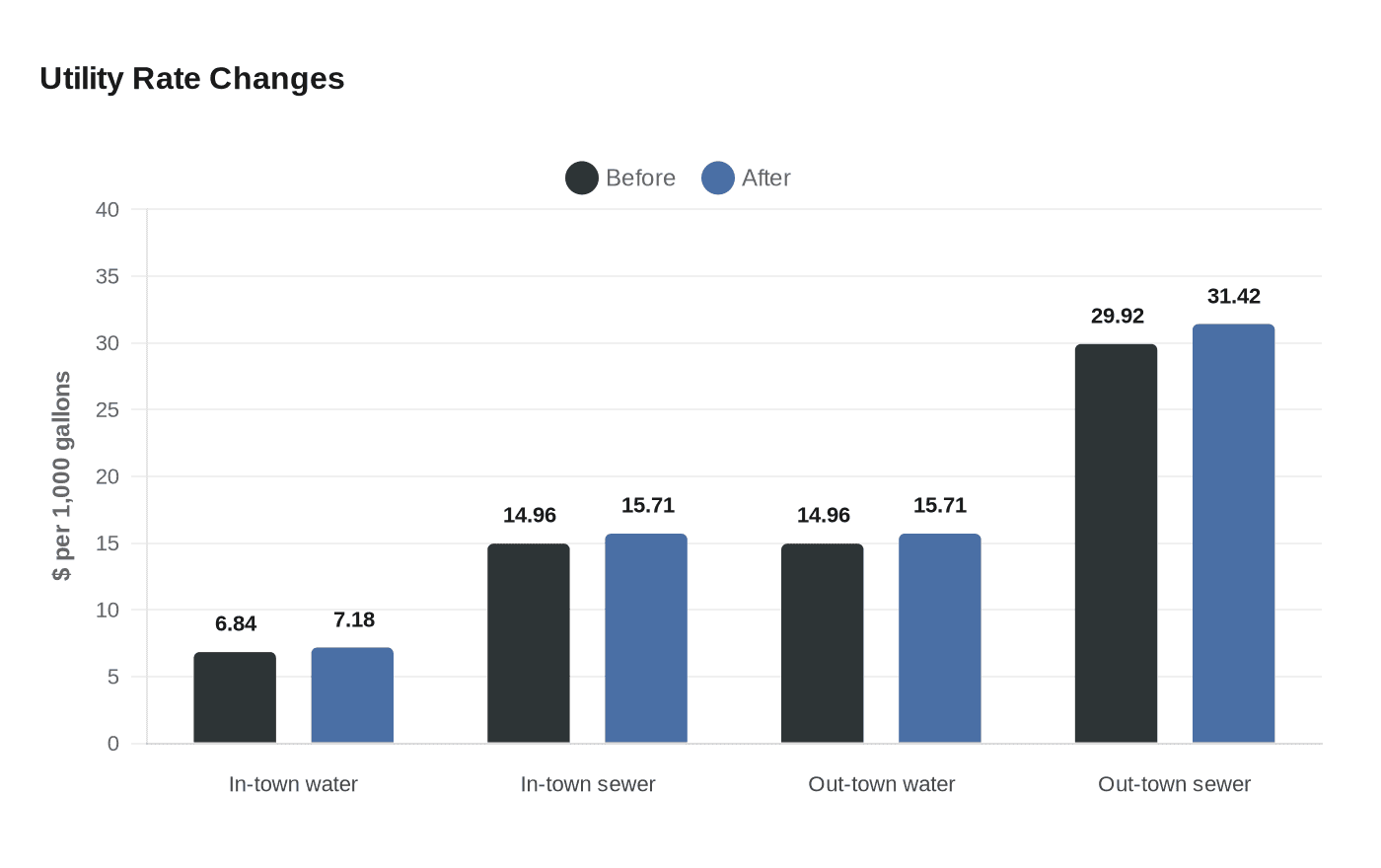
While the tax rate stayed flat, residents will see higher utility bills. Water and sewer rates rose 5 percent across the board to cover a matching increase in Burlington’s charges for purchased water and wastewater treatment. In-town water customers will pay $7.18 per 1,000 gallons, up from $6.84, and in-town sewer customers will pay $15.71, up from $14.96. Customers outside town limits will pay $15.71 for water, up from $14.96, and $31.42 for sewer, up from $29.92. Sanitation fees will remain $24 a month per cart.
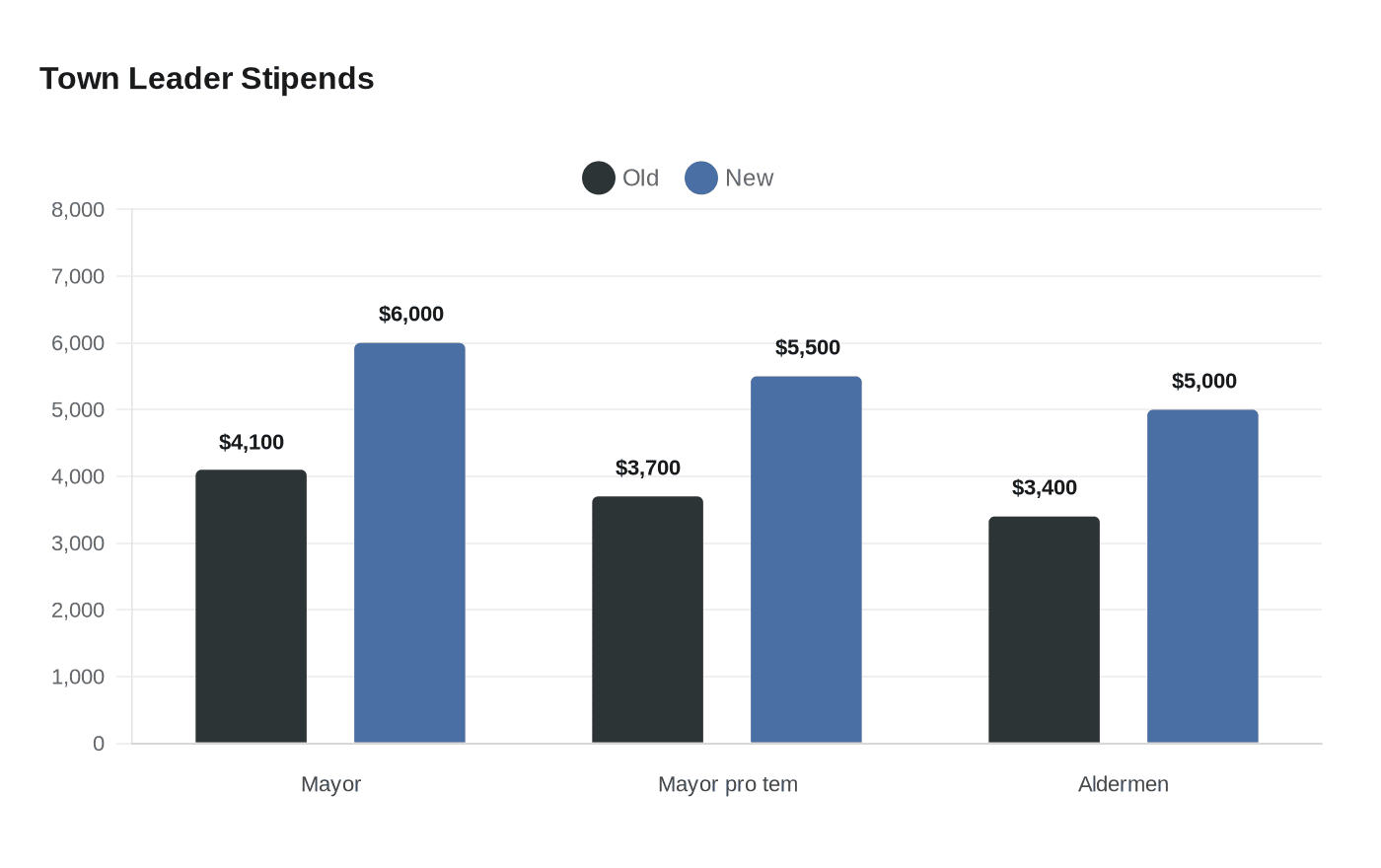
Town employees will receive a 2 percent raise, costing an estimated $158,784, and merit raises of up to 3 percent are budgeted at another $141,605. The clearest winners in the new budget are Gibsonville’s workforce and its elected leaders: Mayor Bryant Crisp’s annual stipend will rise from $4,100 to $6,000, Mayor pro tem Mark Shepherd’s from $3,700 to $5,500, and each alderman’s from $3,400 to $5,000.
Ben Baxley, the town manager, said the stipend levels were tied to a 2025 salary study by the N.C. League of Municipalities that compared pay by municipal population. Gibsonville’s population was estimated at 9,876 in July 2025. The budget marks a shift from last year, when aldermen raised the tax rate from 49 cents to 53 cents and paired it with large utility increases, including a 25 percent jump in water rates, a 7 percent sewer increase and a sanitation fee hike from $18 to $24.
This article was produced by Prism’s automated news system from verified source data, official records, and press releases, then run through automated quality and moderation checks before publishing. The system is built and supervised by the people who set the standards it runs under. Read our full AI policy.
Know something we missed? Have a correction or additional information?
Submit a Tip