Graham council disputes mayor’s authority over late proclamation request
Chelsea Dickey’s attempt to read a proclamation at the end of a Graham council meeting triggered a fight over whether the mayor can act without a vote.
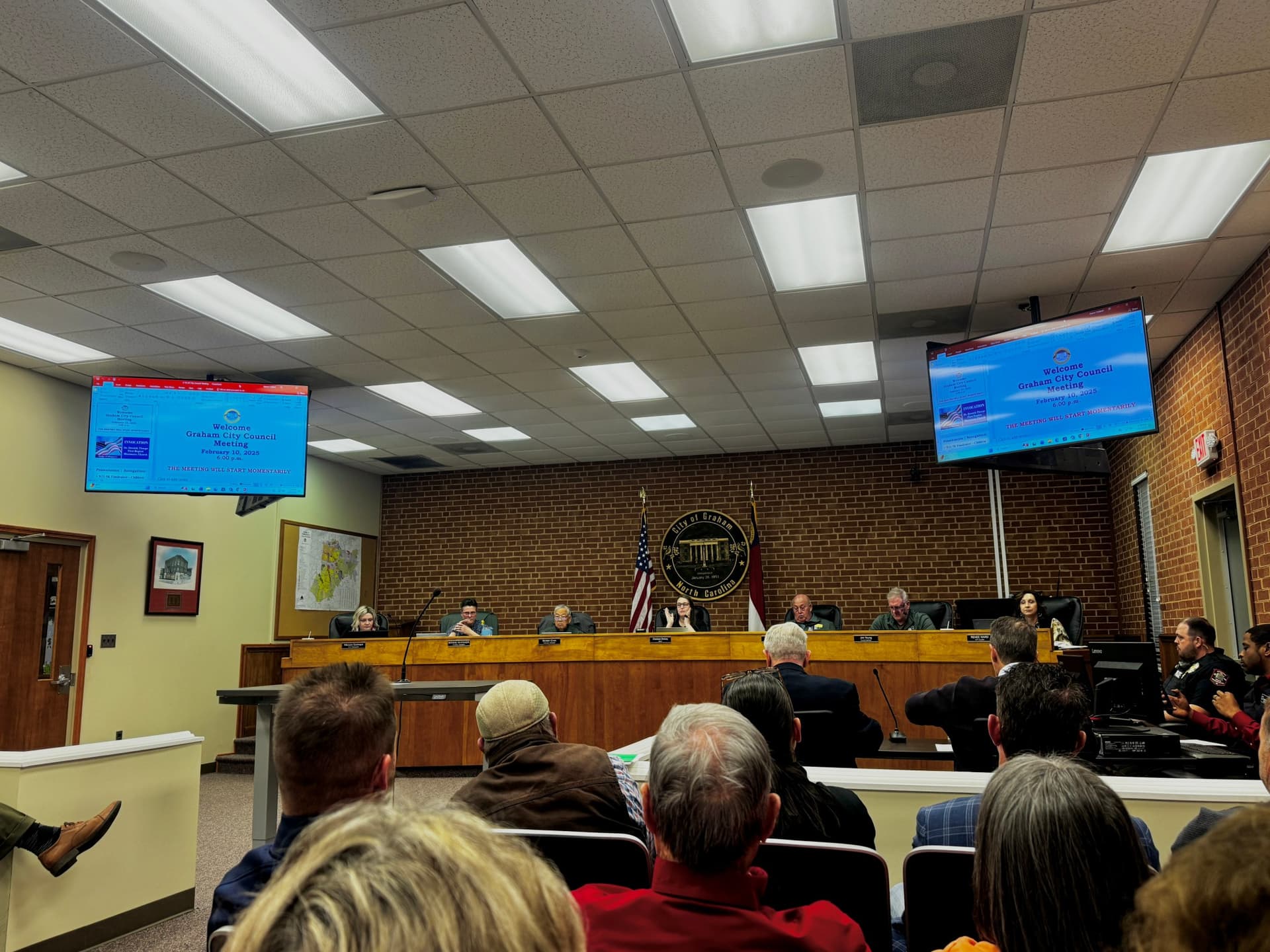
Chelsea Dickey’s attempt to read a mayoral proclamation during council comments turned a routine Graham meeting into a dispute over who controls official city business. Council members Bonnie Whitaker and Bobby Chin objected immediately, saying the item should have been placed on the agenda instead of introduced at the end of the meeting.
The exchange pushed the focus away from the proclamation itself and onto a larger question that reaches far beyond one request from a local gay rights organization: when does a mayor speak as the ceremonial head of the city, and when does an action require the council’s approval? Dickey said she believed the proclamation should have been included earlier and that, because it was not, she was acting in her own mayoral capacity without asking for a council vote. Jim Young argued the mayor has no more authority than the other council members, and the discussion widened into a review of state law and city ordinances.
That legal backdrop matters in Graham because the council, not the mayor, is the city’s legislative body. The City of Graham says council meetings are held the second Tuesday of each month at 6 p.m. at 201 South Main Street, and residents who want to bring forward an agenda item are told to contact the city clerk by the first Tuesday of the month. Public comments are also set aside for residents who want to address the council, which helps explain why a proclamation raised at the end of the meeting set off a procedural fight.
North Carolina law points in the same direction. Under G.S. 160A-67, city government and general management are vested in the council, while the mayor is the official head of the city for ceremonial purposes. In Graham, that distinction now sits at the center of a question with practical consequences: whether future mayors can issue or present proclamations on their own, or whether such gestures are official city actions that belong on the council agenda.
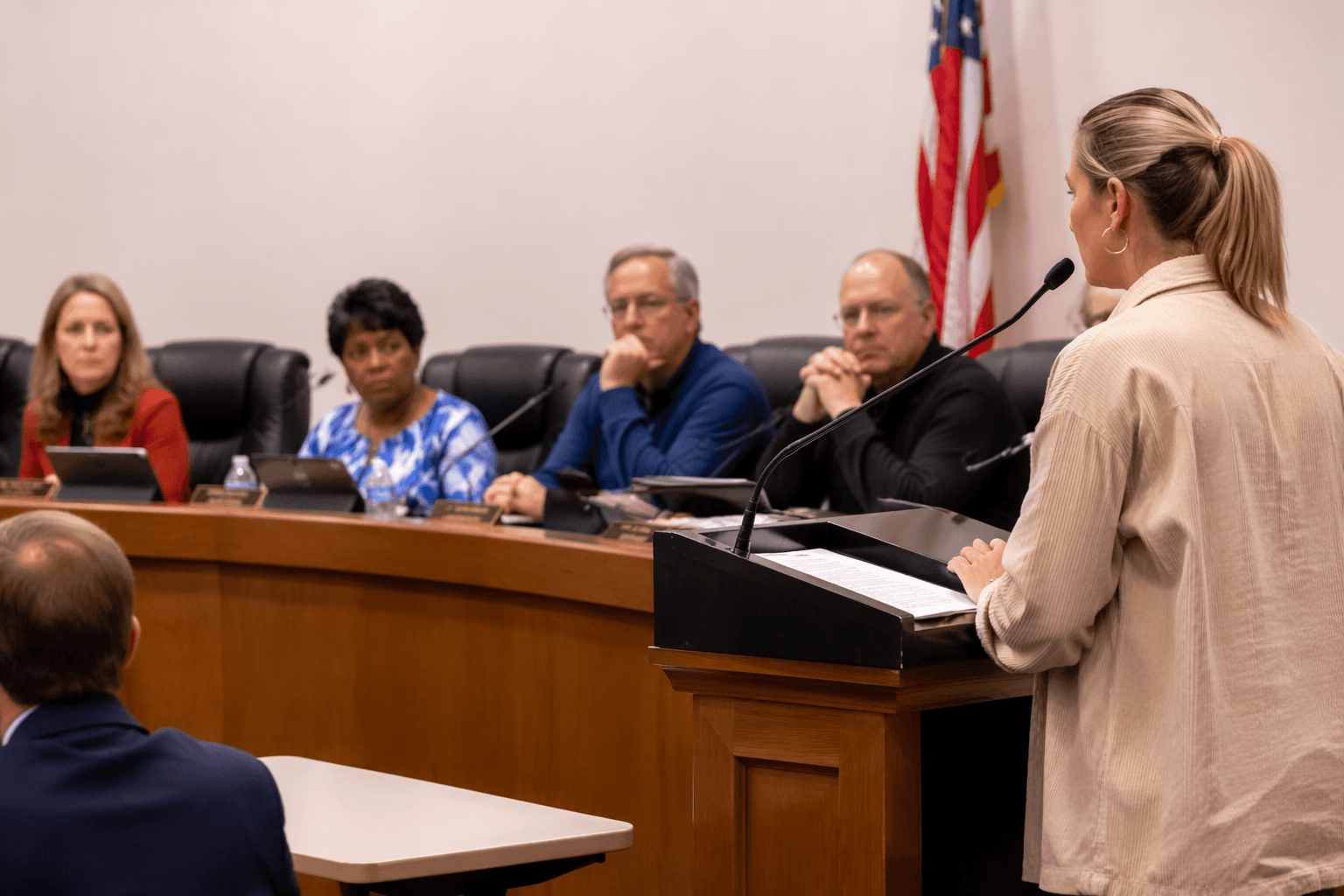
The clash also followed another recent fight over meeting procedure. In March 2026, the council voted 4-1 to keep public comments at the end of meetings and cut individual speaking time from four minutes to three, with Dickey casting the lone dissenting vote. She had pushed for moving public comments earlier in the agenda, while Whitaker, Chin, Mayor Pro Tem Ricky Hall and Young backed the end-of-meeting format.
Dickey won Graham’s 2025 mayoral election with 56.77% of the vote, and recent city goals have included parks and recreation, economic growth, infrastructure, safety and community engagement. But the proclamation dispute showed that in Graham, the boundaries of the mayor’s office remain contested, and the city’s rules may matter as much as the message itself.
This article was produced by Prism’s automated news system from verified source data, official records, and press releases, then run through automated quality and moderation checks before publishing. The system is built and supervised by the people who set the standards it runs under. Read our full AI policy.
Know something we missed? Have a correction or additional information?
Submit a Tip