Graham social district proposal divides residents, city still discussing options
Graham’s downtown social district idea could mean more foot traffic and sales, or more litter, policing and control on busy nights.
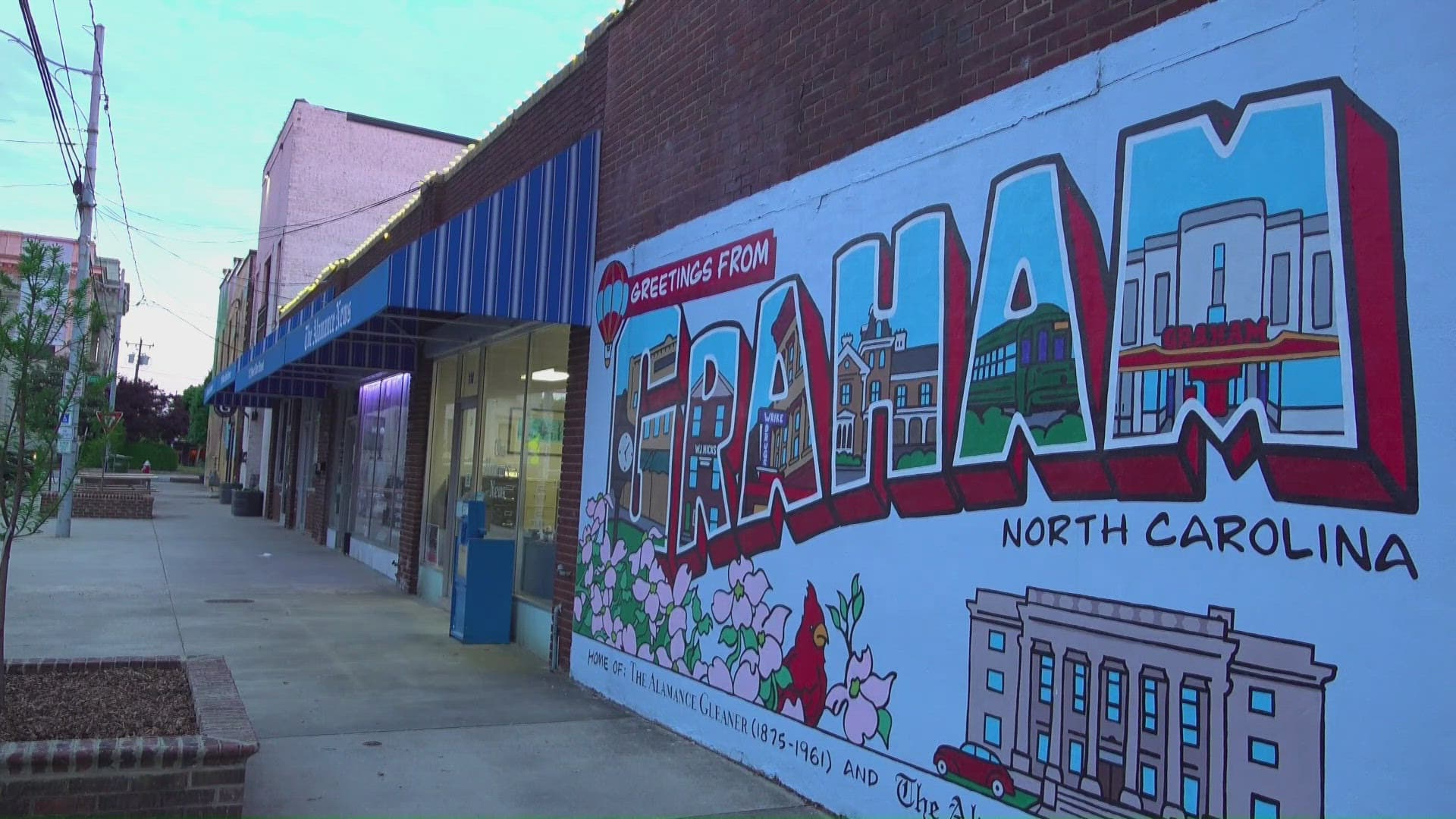
Downtown Graham’s social district debate is really about one practical question: would open containers make Main Street more vibrant, or just harder to manage when the crowds arrive?
The proposal is still in the discussion stage, but residents are already splitting over the tradeoff. Supporters say a social district could bring more people downtown, push more business into local shops and restaurants, and give Graham a livelier feel. Antone Figuried said the extra activity would be good for downtown and help the area feel more vibrant.
Skeptics see the same sidewalks and alleyways as a different kind of challenge. Mark Stainback said a public drinking district would require more control and more police attention, and he pointed to litter as another likely problem after busy downtown events. The concern is not abstract in Graham, where Fourth Friday-style crowds and other evening gatherings already show how quickly a lively block can turn into a cleanup and enforcement issue.
North Carolina law now gives Graham a legal path if city leaders decide to move forward. Under the social-district statute created by House Bill 890, cities and counties can adopt a district by ordinance, but it must be clearly marked with signs, include contact information for the Alcohol Law Enforcement Division and local law enforcement, and post a management and maintenance plan online. Drinks bought inside the district must be consumed there and discarded before a person leaves the district.
That framework is part of why the debate has shifted from whether Graham can do it to whether Graham wants to. If the city adopts an ordinance, open containers would not be citywide. They would be limited to the mapped district and subject to the rules written into the plan. That means the real issue is enforcement, along with whether downtown merchants and nearby residents believe the added foot traffic is worth the added oversight.
Graham is not starting from scratch. The city says downtown features wide sidewalks, alleyways and street-side dining, all of which could support a walkable district. Graham was incorporated in 1851 and became a city in 1961, and its downtown sits about 0.6 miles from Interstate 40/85, giving it a central spot in Alamance County’s traffic pattern.
City Council, which meets the second Tuesday of each month at 6 p.m. in Council Chambers at 201 South Main Street, would have to move any proposal through that public process. Nearby examples are already shaping the conversation: Burlington’s downtown social district runs Fridays and Saturdays from 12 p.m. to 10 p.m. across a seven-block area including Front, Main, Spring, Davis and Worth streets, and Burlington leaders say the district is meant to boost foot traffic, support small businesses and strengthen downtown vibrancy. Mebane’s mayor has called that city’s version successful, with police reporting virtually no problems. For Graham, the question is whether that same payoff would fit downtown without making busy nights tougher to manage.
This article was produced by Prism’s automated news system from verified source data, official records, and press releases, then run through automated quality and moderation checks before publishing. The system is built and supervised by the people who set the standards it runs under. Read our full AI policy.
Did this article answer your question?