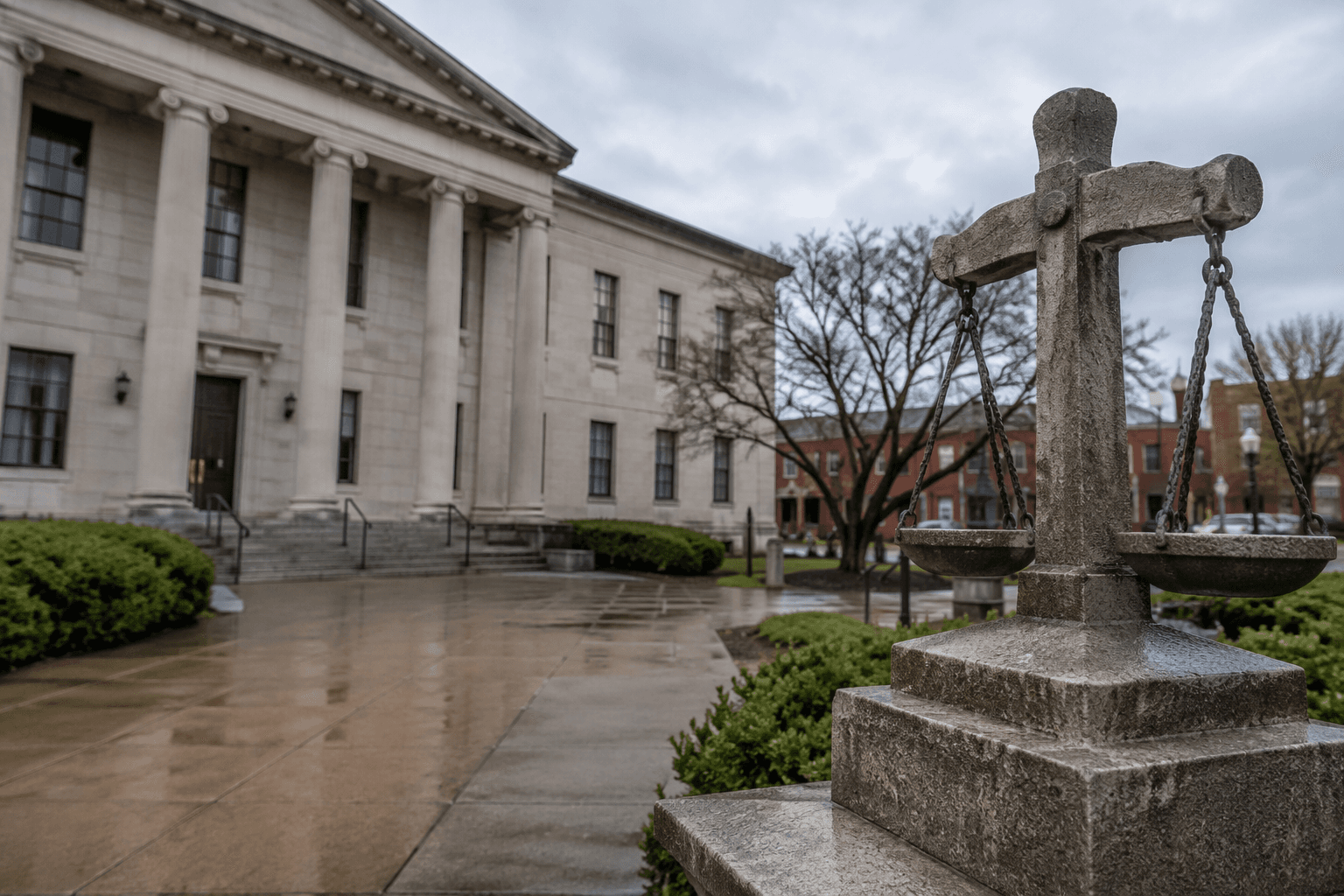
How Burlington decides which buildings and districts are historic
Burlington's 50-year rule is only the first gate. Once a district or landmark is designated, the Historic Preservation Commission can shape what owners may change.

In Burlington, a building older than 50 years can still be turned down for historic designation if it does not rise to the level of local significance the city wants to recognize. Once a district is designated, exterior work can move into a formal review process.
How Burlington decides what qualifies
Age alone does not secure protection. The property also has to exemplify the best of its period in a way that justifies local recognition, which means the city is looking for quality, integrity, and local importance, not just old brick or a familiar streetscape.
That local standard sits on top of North Carolina law. Burlington's Local Designation Program is enabled by General Statutes 160A-400.1 through 160A-400.14, and counties and municipalities can choose to use state enabling legislation for preservation programs. Local designation can apply to locally significant individual buildings, structures, sites, areas, or objects, which gives the city room to protect everything from a single depot to an entire commercial block.
The places Burlington already treats as historic
Burlington's local system already names two historic districts and two historic landmarks. The districts are the West Davis-West Front-Fountain Place Local Historic District and the Glencoe Mill Village Local Historic District. The landmarks are the Dentzel Menagerie Carousel at City Park and the Southern Railway Depot.
The difference between a district and a landmark matters for property owners. A district covers a defined area, such as the West Davis, West Front, and Fountain Place streetscape or the Glencoe mill village setting, while a landmark protects a specific site or structure. That is why a single property like the Southern Railway Depot can be handled differently from a broader neighborhood pattern of houses, storefronts, walls, and yards.
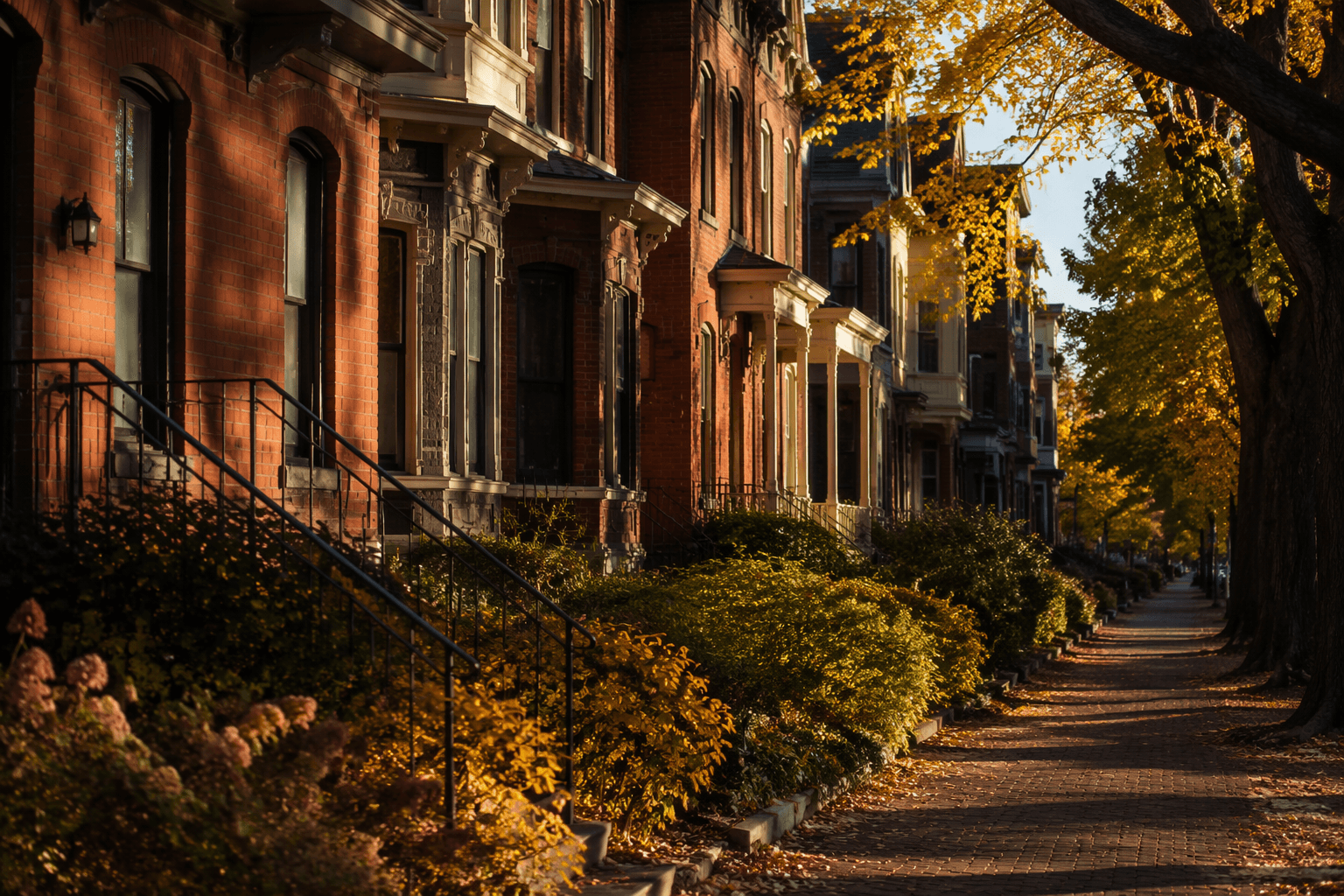
Glencoe Mill Village also shows how Burlington's preservation work connects to Alamance County's industrial past. It is an early textile mill village along the Historic Haw River, tying the district to the county's mill economy and river corridor history. At City Park, the Dentzel Menagerie Carousel is one of only 14 Dentzel menagerie carousels left in the world, with 46 unique hand-carved animals, according to Clio.
What owners can and cannot change
For homeowners and business owners, the most important local gatekeeper is the Burlington Historic Preservation Commission. The commission governs exterior changes in the West Davis-West Front-Fountain Place and Glencoe Mill Village historic districts, including landscaping, walls, and other exterior features. Owners in those districts may need a Certificate of Appropriateness before work begins, which means a porch repair, façade alteration, fence change, or similar exterior project can require review before it moves ahead.
Burlington describes the Historic Preservation Commission as a quasi-judicial administrative body, which signals that it is not a symbolic advisory group. It is a decision-making body with real authority over designated properties.
The same framework shapes downtown redevelopment. Historic properties are sought after partly because of tax incentives, and the National Conference of State Historic Preservation Officers says the federal Historic Tax Credit is a 20% income tax credit for developers of income-producing historic buildings. The tax credit can help offset the higher cost of rehabbing older structures instead of tearing them down for hotels, apartments, restaurants, and office conversions.
Historic recognition also reaches beyond regulation. Historic plaques can be purchased through Preservation Burlington, and a home or property does not have to be on a national or local registry to display one.
Local designation and the National Register are not the same thing
Burlington's local program sits alongside, but separate from, the National Register of Historic Places. The register is maintained by the National Park Service and includes landmarks and districts significant to the history of the United States. Every listing must meet criteria established in the National Preservation Act of 1966, so federal recognition follows a different standard from Burlington's local designation process.
A property can matter locally without meeting the federal threshold, and federal listing does not automatically replace city review. Burlington's preservation pages place local districts, local landmarks, and National Register sites within the same broader preservation system, but the rules, benefits, and review bodies are not identical.
The rules keep evolving
Burlington's preservation framework is not frozen in place. The city held a Local Historic District Standard Update Kick Off Meeting in April 2022, a reminder that design standards and review guidance can change as districts mature and development pressures shift.
Alamance County's Architectural Inventory says the county's 1980 historic properties survey included more than 500 historic sites, and later updates and landmark and National Register applications pushed the inventory to more than 700 sites across twelve of the county's thirteen townships. Burlington's districts and landmarks are part of that wider map, not an isolated list.
This article was produced by Prism’s automated news system from verified source data, official records, and press releases, then run through automated quality and moderation checks before publishing. The system is built and supervised by the people who set the standards it runs under. Read our full AI policy.
Did this article answer your question?