Impact Alamance shifts For Alamance Initiative to local residents
Impact Alamance is turning the For Alamance Initiative over to residents after four years of Harwood-backed organizing and five action teams built around local priorities.
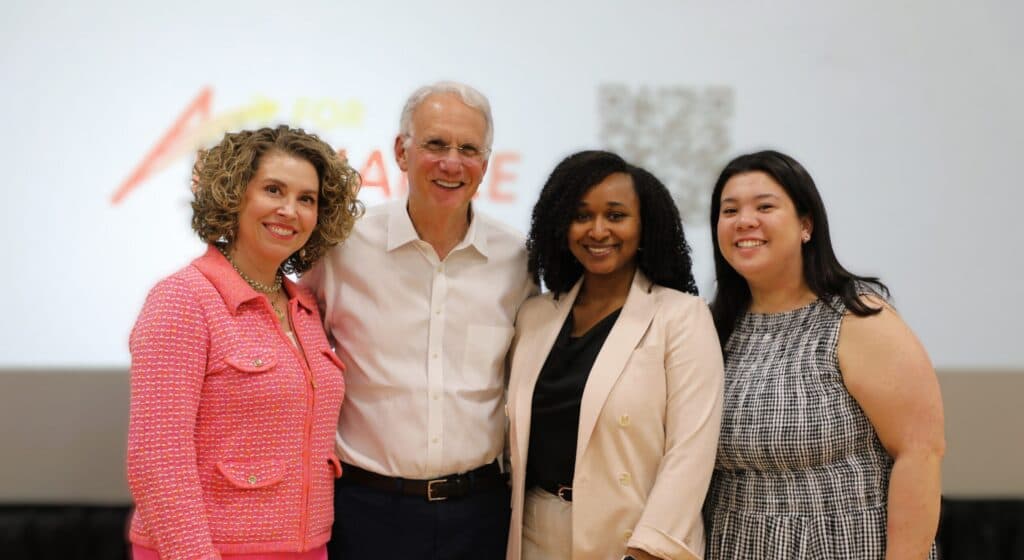
Impact Alamance is moving the For Alamance Initiative from outside facilitation to local control, handing more of the work to residents who have spent four years turning countywide conversations into action around youth wellness, arts, bridging, faith and narrative.
The initiative launched in 2022 through a partnership with The Harwood Institute for Public Innovation and was built around two goals: community-led change on issues that matter to residents and a stronger civic culture in Alamance County. Impact Alamance and Harwood first gathered residents and community leaders in deep conversations, then released Alamance Choosing Hope in November 2022 to capture how people saw their county and where trust could be rebuilt.

That groundwork led to a two-day Public Innovation Lab in February 2023, where more than 50 residents formed five action teams. Those teams have since met with neighbors, listened to concerns and tried to convert public conversation into practical change. Impact Alamance says the latest Ripples of Change report shows how far that work has gone and how the county can keep moving without relying on Harwood to steer every step.
The report lands in a county that is growing fast and remains sharply divided. The U.S. Census Bureau estimated Alamance County’s population at 186,177 on July 1, 2025, up from 171,415 in the 2020 census. The Ripples of Change report says the county is also among the most divided places in the country around growth, the split between longtime and newer residents, geography within the county and the role of law enforcement. That tension is now part of the test for the initiative: whether resident-led work can bridge those gaps in places from Burlington and Graham to neighborhoods tied to Eastlawn Elementary, Robinson Park and Northside Fellowship Church.
Impact Alamance marked the transition on April 27 at North Park’s Mayco Bigelow Community Center, where nearly 70 people gathered to hear from Harwood founder Rich Harwood. The next morning, the sixth Harwood Workspace brought the For Alamance public innovators back together at Impact Alamance to review lessons learned and discuss what comes next as stewardship shifts from Harwood to the residents at the center of the effort.
The organization says it supported that handoff with Harwood Catalytic Guide training for staff and action team members, and it says it invests about $3 million each year in Alamance County through partnerships, initiatives and investments. The next phase will be measured less by who is in the room and more by whether residents, neighborhood leaders and smaller local groups continue shaping priorities, building trust and keeping the county’s work moving on its own.
This article was produced by Prism’s automated news system from verified source data, official records, and press releases, then run through automated quality and moderation checks before publishing. The system is built and supervised by the people who set the standards it runs under. Read our full AI policy.
Did this article answer your question?