Latino students in Alamance County fear immigration crackdowns amid long tensions
Latino students in Alamance County are voicing fear over immigration crackdowns, in a county where Sheriff Terry Johnson has faced profiling accusations for years.

A local teacher says Latino students in Alamance County are expressing fear as immigration crackdowns intensify, bringing old worries about law enforcement and family safety back into classrooms in the Alamance-Burlington School System.
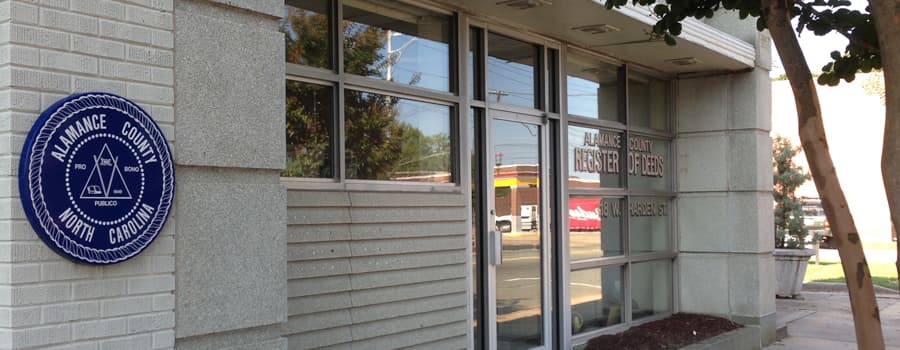
Those fears are rooted in a county history that has long made immigration a school issue, not just a courthouse or campaign issue. Sheriff Terry Johnson is battling for a seventh term in Alamance County, and federal investigators found a decade ago that Latino drivers were four to 10 times more likely to be pulled over there. Johnson was investigated for profiling Latinos long before Trump, and the controversy has never fully gone away.

The Alamance County Sheriff's Office was also tied to the 287(g) deportation program, the federal partnership that allowed local officers to carry out immigration enforcement functions. The office was later removed from that program after the U.S. Department of Justice and other federal officials found discriminatory policing problems, and Johnson's attempts to regain immigration enforcement powers have drawn repeated public opposition. In 2017, the American Civil Liberties Union of North Carolina warned against restoring those powers.
Inside schools, the result is a climate where Latino students may carry more than homework and test anxiety. Fear of immigration enforcement can shape whether students show up, whether they speak in class, and whether they turn to counselors or trusted adults when they need help. In a county with a long record of conflict over immigration policing, trust in school walls can be fragile, especially for families deciding how much to reveal about their status, their routines, or their children’s needs.
The stakes now fall on district leaders and advocates to show what protections and communication rules actually exist for families who are worried about enforcement. In Alamance County, the question is not whether immigration politics reach schools, but whether the school system can give students enough confidence to attend, participate and ask for support without fear following them through the door.
This article was produced by Prism’s automated news system from verified source data, official records, and press releases, then run through automated quality and moderation checks before publishing. The system is built and supervised by the people who set the standards it runs under. Read our full AI policy.
Did this article answer your question?