Paramount Theatre anchors Burlington downtown revitalization, arts economy
The Paramount Theatre in downtown Burlington remains a restored cultural anchor after a decades long decline, hosting live theater, concerts, films and community events that draw local audiences and visitors. Its continued operation matters to Alamance County because the roughly 398 seat venue supports downtown foot traffic, cultural jobs and municipal arts investment that feed the local economy.
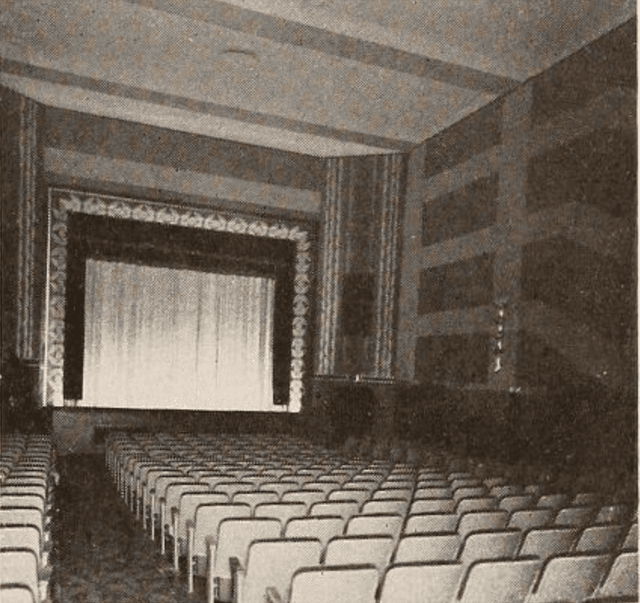
The Paramount Theatre sits at the center of Burlington downtown as both a piece of local history and an active engine for cultural activity. Opened in 1928 as the Grand Theatre and renamed the Paramount in 1929, the venue fell into decline before community and municipal support rescued and renovated the building. Today the theater presents a mix of plays, concerts, films and community events that help sustain nearby restaurants, shops and service businesses.
The theater’s scale is a practical economic detail. With roughly 398 seats, a sold out performance brings hundreds of visitors into the downtown core, increasing demand for dining, parking and retail. That visitor spending acts as a multiplier for local employment in hospitality and retail, and supports contracts for technical crews, box office staff and arts administrators. The City of Burlington and the local arts council have played roles in both renovation and programming, illustrating how public sector investment in cultural infrastructure can catalyze private and nonprofit activity.
For audiences, the Paramount functions as a predictable community resource. Regular programming builds routine foot traffic on nights and weekends, while special events and touring acts attract nonlocal visitors who may stay longer and spend more. Practical visitor information is available at paramountofburlington.org where showtimes and box office hours are posted, and patrons should be aware that occasional off site programming can occur during renovations or upgrades.
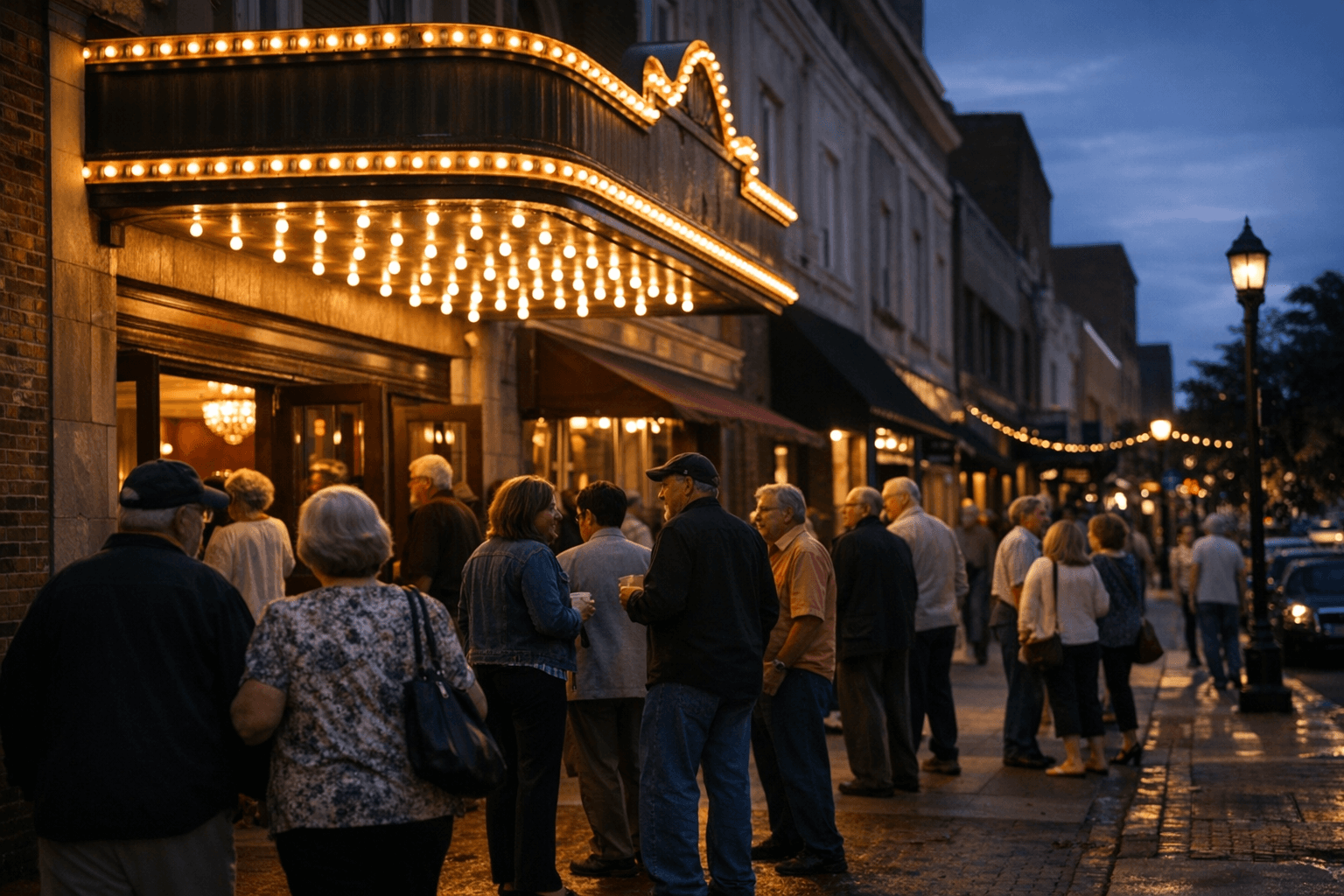
Looking ahead, sustaining the Paramount will require ongoing capital maintenance and programming funding, a common challenge for historic theaters. Continued municipal support and partnerships with the local arts council will shape whether the venue can expand offerings to younger and more diverse audiences, and whether it can remain a catalyst for downtown economic growth. For Alamance County residents, the theater is more than nostalgia. It is a functioning piece of cultural infrastructure that contributes to jobs, downtown vibrancy and the local tax base, making its preservation a civic economic priority.
This article was produced by Prism’s automated news system from verified source data, official records, and press releases, then run through automated quality and moderation checks before publishing. The system is built and supervised by the people who set the standards it runs under. Read our full AI policy.
Did this article answer your question?