Rising gas prices strain Alamance County Meals on Wheels volunteers
Rising gas prices are squeezing the volunteers who keep 500 Alamance County seniors fed, with one week of fuel costs now shadowing every route.
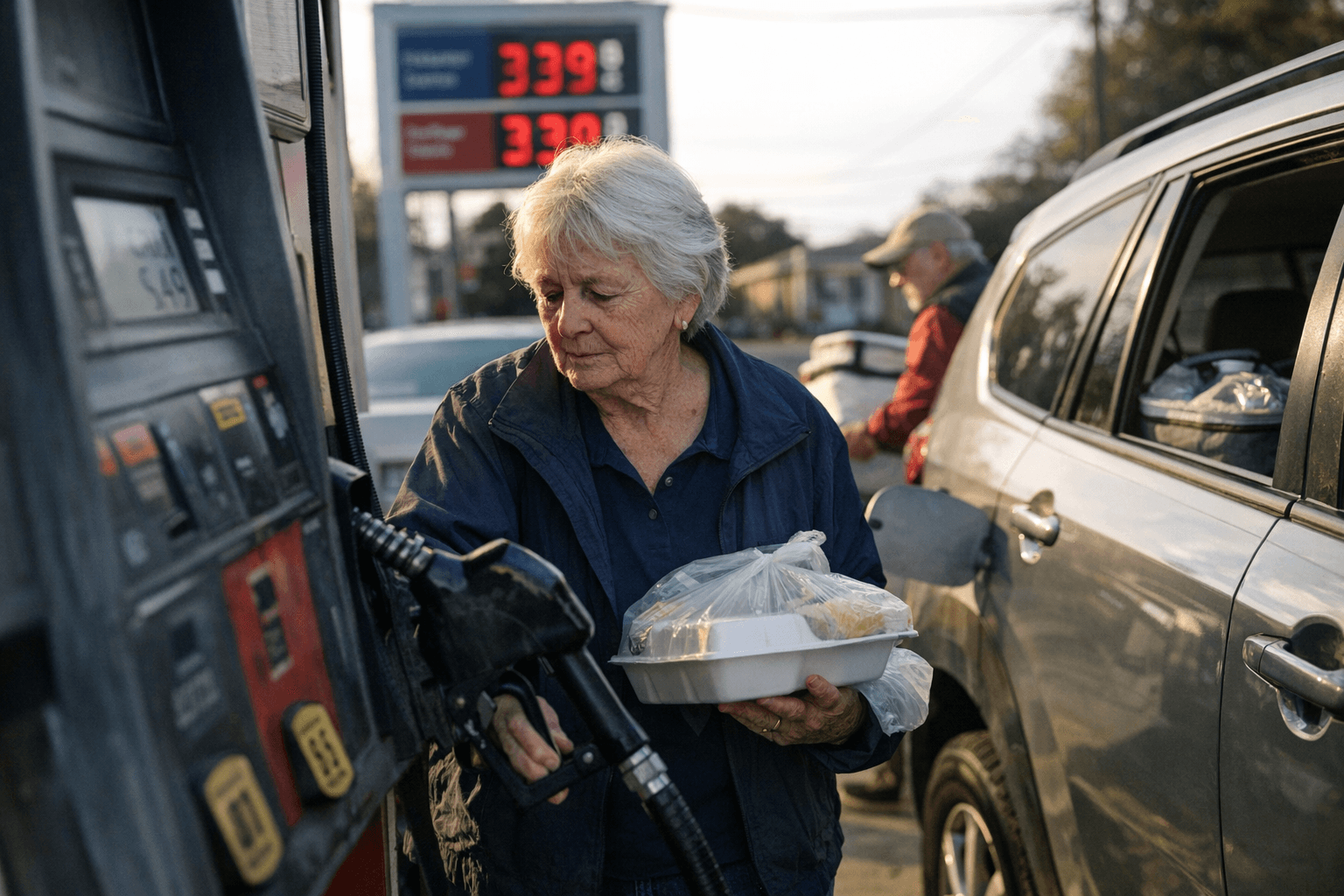
Every mile a volunteer drives to deliver a hot meal in Alamance County now carries a higher price tag, and that cost is landing on the people who give their own time and use their own cars to keep 500 seniors fed.
Alamance County Meals on Wheels serves those 500 older adults with hot meals every weekday, and about 100 also receive pantry staples. Amanda Bartolomeo, the group’s executive director, said the pantry can move about 100 grocery bags in roughly a week, a pace that shows how quickly the organization’s food supply is turned into direct help for homebound residents.
The delivery system depends on volunteers like Elizabeth Kirkpatrick, who usually take a route only once a month in many cases. Bartolomeo said the program has not seen volunteers quit because of gas costs yet, but the rising expense is on everyone’s mind as fuel prices remain elevated.
That pressure is not abstract. North Carolina’s average regular gas price stood at $3.824 a gallon on April 17, 2026, while the national average was $4.076, according to AAA. For volunteers who drive from a central pickup point along predetermined routes, those prices can turn a civic duty into a personal expense that adds up quickly.
The policy gap is just as stark. The Internal Revenue Service set the 2026 business mileage rate at 72.5 cents per mile, effective Jan. 1, 2026, while the federal charitable mileage rate remains 14 cents per mile. Meals on Wheels America has pushed Congress to raise that charitable rate, arguing that volunteers who deliver meals should not be forced to absorb the full cost of the roads they travel.
North Carolina’s aging-services system describes home-delivered meals as a service for adults 60 and older who are frail, homebound or isolated, and it can also provide a safety check and a brief conversation. That makes the volunteer route more than a food drop, especially for seniors who may have little other contact during the day.
For Alamance County, the concern is immediate: if gas stays high long enough, the service that keeps meals and pantry food moving to 500 seniors will feel the strain first, and the cost will be measured in miles, not headlines.
This article was produced by Prism’s automated news system from verified source data, official records, and press releases, then run through automated quality and moderation checks before publishing. The system is built and supervised by the people who set the standards it runs under. Read our full AI policy.
Did this article answer your question?