Stanley Cup’s 2006 Burlington stop still lives in local memory
Burlington once hosted the Stanley Cup on a Saturday morning in 2006, and the Hurricanes’ 2026 title run has people wondering whether Alamance County could see it again.

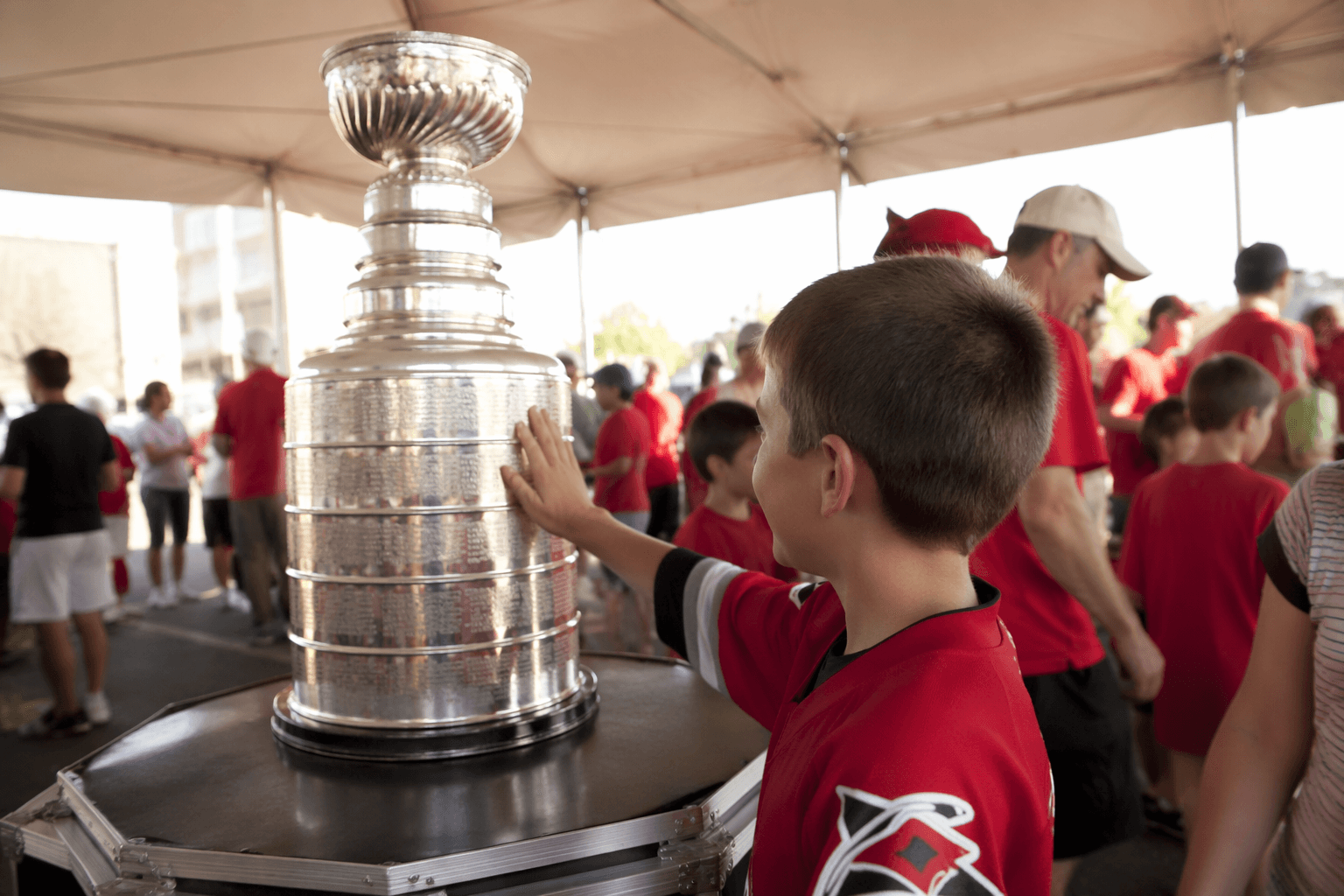
The last time the Stanley Cup came to Burlington, it did not arrive as a backdrop for a formal ceremony. It came because a Hurricanes staffer had family on Engleman Drive, a brother on South Main Street and an uncle on South Church Street, and that chain of local ties turned a championship trophy into a hometown gathering. People from Burlington, Graham and Mebane came to see it, photograph it and even kiss it, and 20 years later that morning still lands like a shared county memory.
That is why the Hurricanes’ current championship run feels bigger in Alamance County than a standard sports story. The Cup is with Carolina for the next couple of months, but the NHL’s post-title tradition gives players and staff 24 hours each with the trophy, a practice that began in 1995. In other words, a return to Burlington is possible, but it depends on whose personal day lines up, where that person wants to go and whether the trophy’s travel schedule points back toward Alamance County.
How Burlington got the Cup in 2006
The local stop happened in the wake of one of the biggest moments in Hurricanes history. Carolina won the 2006 Stanley Cup on June 19, 2006, beating the Edmonton Oilers 4-3 in Game 7 to claim the franchise’s first Stanley Cup and second championship in team history. That title capped a 52-22-8 regular season and came in the first NHL playoffs since 2004, after the 2004-05 season was canceled by the lockout.
Brian Tatum was the team manager during that championship season, and his family connections made Burlington part of the Cup’s journey. His grandfather, Ray Tatum, lived on Engleman Drive. His brother, Mike Tatum, operated Tatum Optical on South Main Street. His uncle, Paul Tatum, owned Wings To Go on South Church Street. Those are the kinds of names and places that gave the stop its character: not a staged appearance, but a championship visit embedded in the geography of everyday Burlington life.
The trophy was photographed at the family home before it was brought to Wings To Go, where the crowd grew into a cross-section of the county. It was the sort of scene that local sports fans do not forget: a famous trophy in a neighborhood setting, regular people lining up for a look, cameras out, family members nearby, and Hockey Hall of Fame staff helping make the ceremonial details work. The story has stayed in circulation because it felt less like a franchise publicity moment than a rare public memory that belonged to the community.
Why the Cup can move from city to city
Part of what keeps the 2006 Burlington stop alive in local memory is that the Cup does not follow a rigid itinerary after a championship. The NHL’s 24-hour rule allows each player and staff member to spend a day with it, and that freedom is what turns the trophy into a moving family artifact as much as a team prize. One person might take it to a hometown street, another to a favorite business, another to a backyard gathering or a community event.
That flexibility matters now because the Hurricanes are again in celebration mode. The organization’s 2026 Championship Celebration, presented by Spectrum, includes a parade and rally on Saturday, June 20, 2026, at 11:00 a.m. in downtown Raleigh, with the rally at City Plaza. For Raleigh, that means a public downtown victory lap. For Alamance County, it raises a different question: whether the right set of personal-day logistics could once again send the Cup west on I-40 and into the county’s everyday spaces.
Brian Tatum’s continued presence in the organization also gives the Burlington story extra weight. He is now listed as the Hurricanes’ assistant general manager, which underscores how the local figure linked to the 2006 stop remained part of the franchise’s leadership over time. That continuity is one reason the 2006 visit still feels connected to the present rather than sealed off in nostalgia.
What a second Burlington visit would mean now
A return visit would not just replay an old sports anecdote. It would tap into a local pattern that Burlington and the rest of Alamance County know well: family ties, business ties and civic pride overlapping in small but memorable ways. In 2006, the Cup moved through a grandfather’s street, a family-run optical shop and a restaurant on South Church Street. That is exactly why the memory lasted. The trophy did not just visit the county; it entered a network of places where people actually know each other.
If the Cup comes back, the business impact would be immediate, even if brief. Local shops and restaurants would likely see the kind of foot traffic that comes when a national sports symbol becomes a neighborhood attraction. More important in the long run, though, would be the emotional return: a reminder that Alamance County has already been a chapter in Carolina hockey history, not just a spectator to it.
That history also gives the 2026 title a deeper frame. The Hurricanes finished 52-22-8 in 2005-06, won the franchise’s first Stanley Cup and turned a lockout-shortened era into a championship run that still has local resonance. The 2006 Burlington stop turned that triumph into something more intimate, something that lived on in photographs, family stories and the memory of neighbors who showed up to be part of it. If the Cup finds its way back through Alamance County this summer, it will not be the first time the region has had a hand in Carolina hockey lore, and it will almost certainly not be the last.
This article was produced by Prism’s automated news system from verified source data, official records, and press releases, then run through automated quality and moderation checks before publishing. The system is built and supervised by the people who set the standards it runs under. Read our full AI policy.
Did this article answer your question?