State property tax cap push worries Elon leaders, local control at stake
A state tax cap could squeeze Elon’s police, fire and street budgets, where property taxes brought in $3.6 million last year. Local leaders say Raleigh should not set the town’s limits.
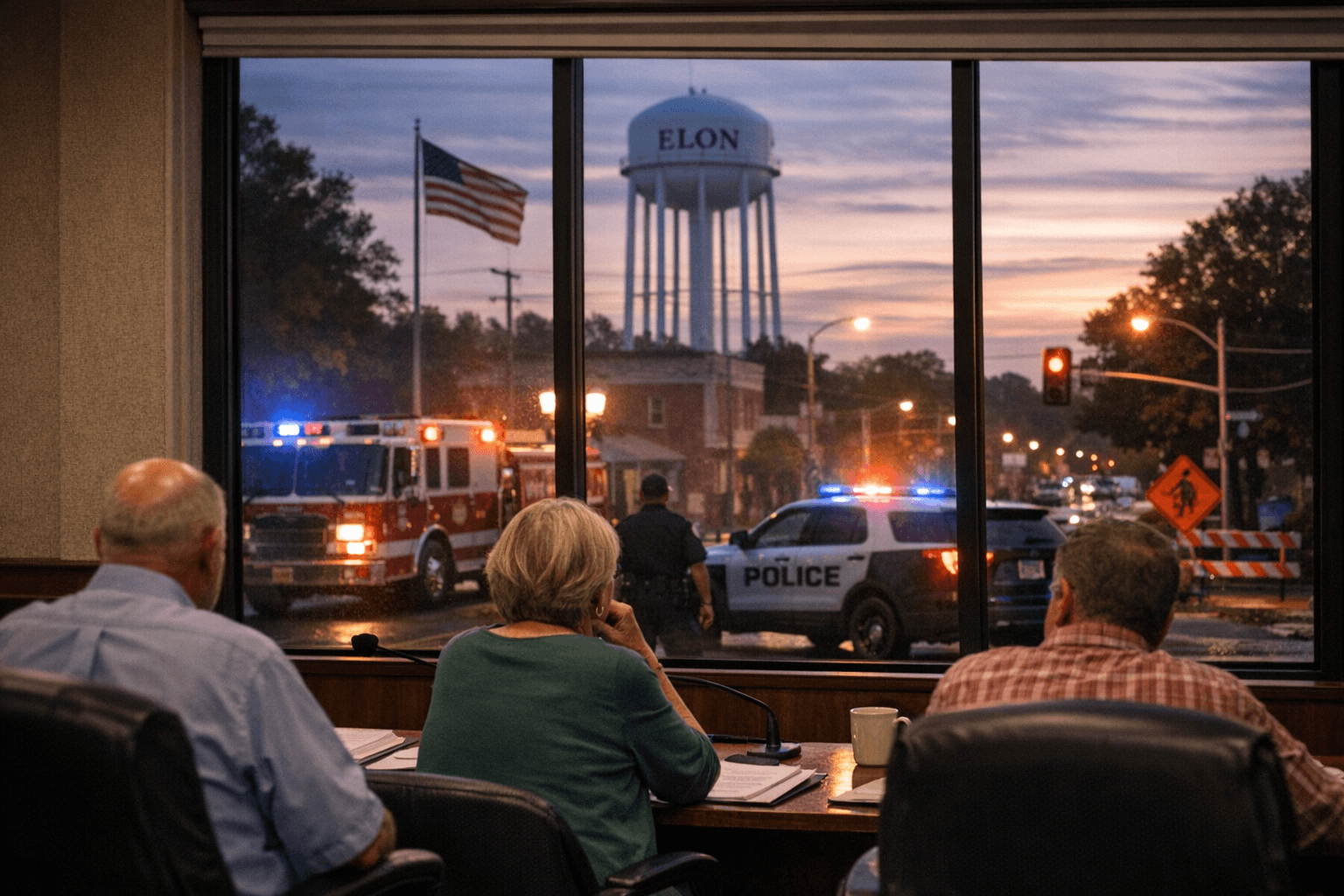
A new state push to cap property tax growth could hit Elon where it pays for the basics: police, fire protection, public works and the town’s room to grow. Town Manager Rich Roedner said those property tax dollars help keep daily services running, as lawmakers in Raleigh weigh a constitutional amendment that would put a future limit on how much counties and cities can raise their levies.
The draft amendment under review by the House Select Committee on Property Tax Reduction and Reform would require the General Assembly to enact limits on property tax levy increases by counties and cities, but it does not say how those limits would work. A legislative draft would send the question to voters on Nov. 3, 2026. The committee has met four times since December 2025, and the debate has quickly become a broader fight over who should control local revenue decisions.
In Elon, the stakes are easy to see. The town reported $3,607,119 in property tax revenue for fiscal year 2024-25, about 19% of total revenue. Roedner said those dollars fund the police department, the fire department and public works. Elon’s fiscal year runs from July 1 to June 30, and the town’s budget process for FY26-27 was already underway in spring 2026 as officials weighed their own tax and fee options, including a proposed property tax increase from 35 cents to 40 cents.
Lawmakers backing the idea say they want to give taxpayers more predictability as home values rise and revaluation cycles reset bills. Rep. Erin Paré said the goal is to give taxpayers more predictability, while Rep. Jeff Zenger suggested a 5% annual cap. But Christopher McLaughlin, a professor at the University of North Carolina School of Government, said the proposal was vague and “completely unenforceable.”
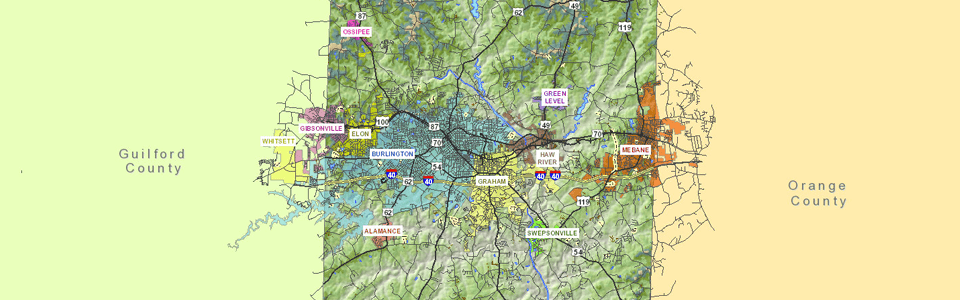
That concern lands in Alamance County at a time when reassessment is already shaking out local budgets. The county began its property revaluation in September 2025 using its 2023 Schedule of Values. County tax officials say revaluation resets property values to current market value, and revenue-neutral rates are meant to keep the average property owner’s bill about the same, even if some homes or parcels rise faster than others.
State law already generally caps local property tax rates at $1.50 per $100 of assessed value, and no North Carolina county has reached that ceiling. North Carolina also offers relief programs for some homeowners, including the elderly or disabled exclusion, the circuit breaker and the disabled veteran homestead exclusion, which exempts the first $45,000 of assessed value for a qualifying primary residence. In Elon, Mayor Emily Sharpe has also pointed to sales tax as the town’s largest revenue source, underscoring how local officials are trying to preserve a mix of reliable funding as Raleigh considers putting tighter limits on what towns can raise on their own.
This article was produced by Prism’s automated news system from verified source data, official records, and press releases, then run through automated quality and moderation checks before publishing. The system is built and supervised by the people who set the standards it runs under. Read our full AI policy.
Did this article answer your question?