Albany County district outlines summer 2026 school repair projects
Summer crews are set to tackle roofs, a track and Laramie High's boiler plant, the fixes families will notice when school opens. The district is also keeping emergency repair money on hand.
What families are likely to notice first
Roofs, playground surfacing, a new track and a boiler plant are the repairs Albany County families are most likely to see or feel when school opens again. Albany County School District #1 says those projects are part of a larger summer 2026 maintenance push across campuses in Laramie and Rock River, the kind of work that affects whether buildings stay dry, play areas stay safer and classrooms stay comfortable through winter.
That matters in a district that maintains 15 buildings, 68 acres of landscaped property, 70 buses and 30 support vehicles. The transportation side alone is a daily operation of real scale, with about 2,200 students riding 45 routes each school day. In practical terms, the summer work is not abstract facilities management. It is the infrastructure that keeps school life moving.
The repairs tied to each campus
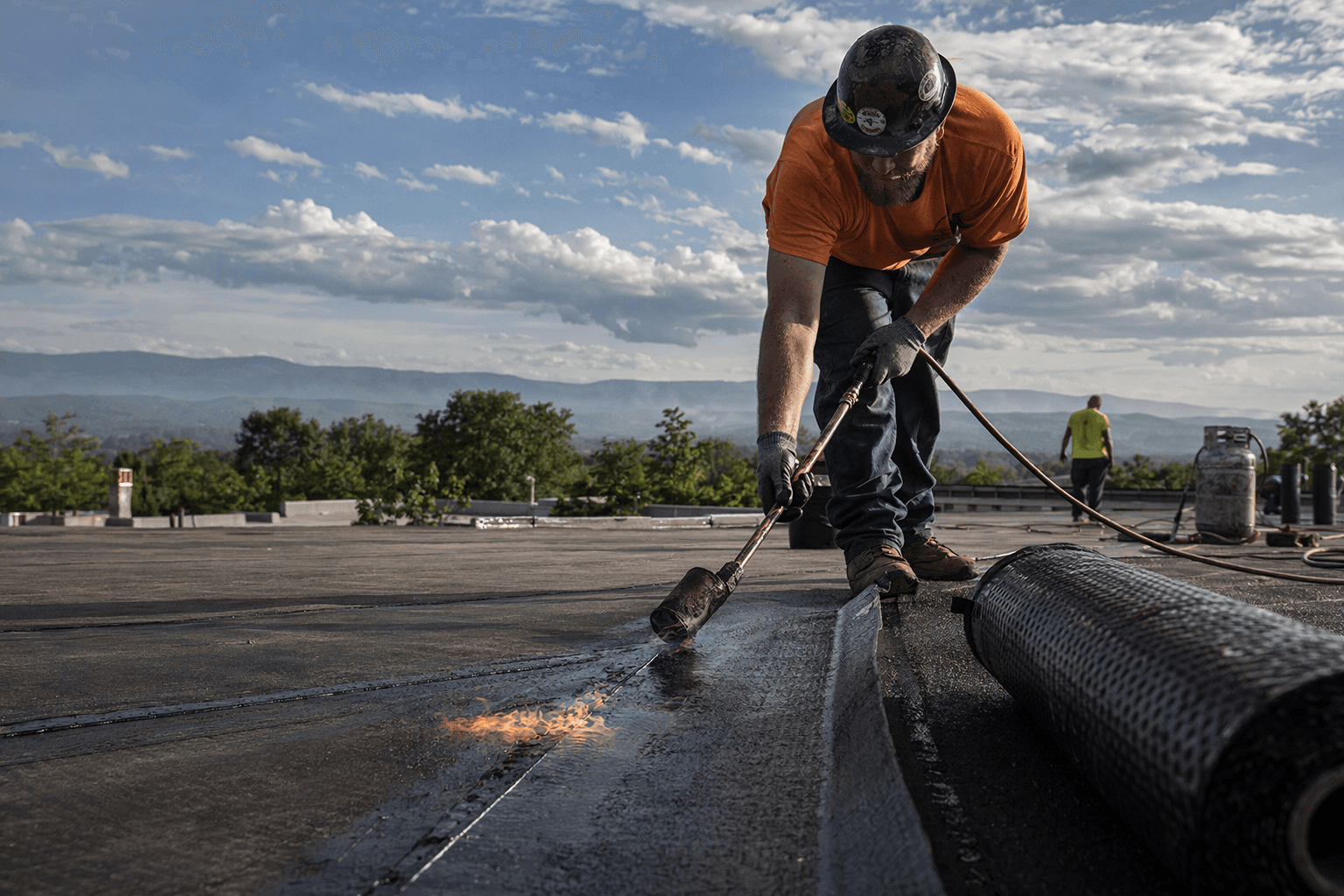
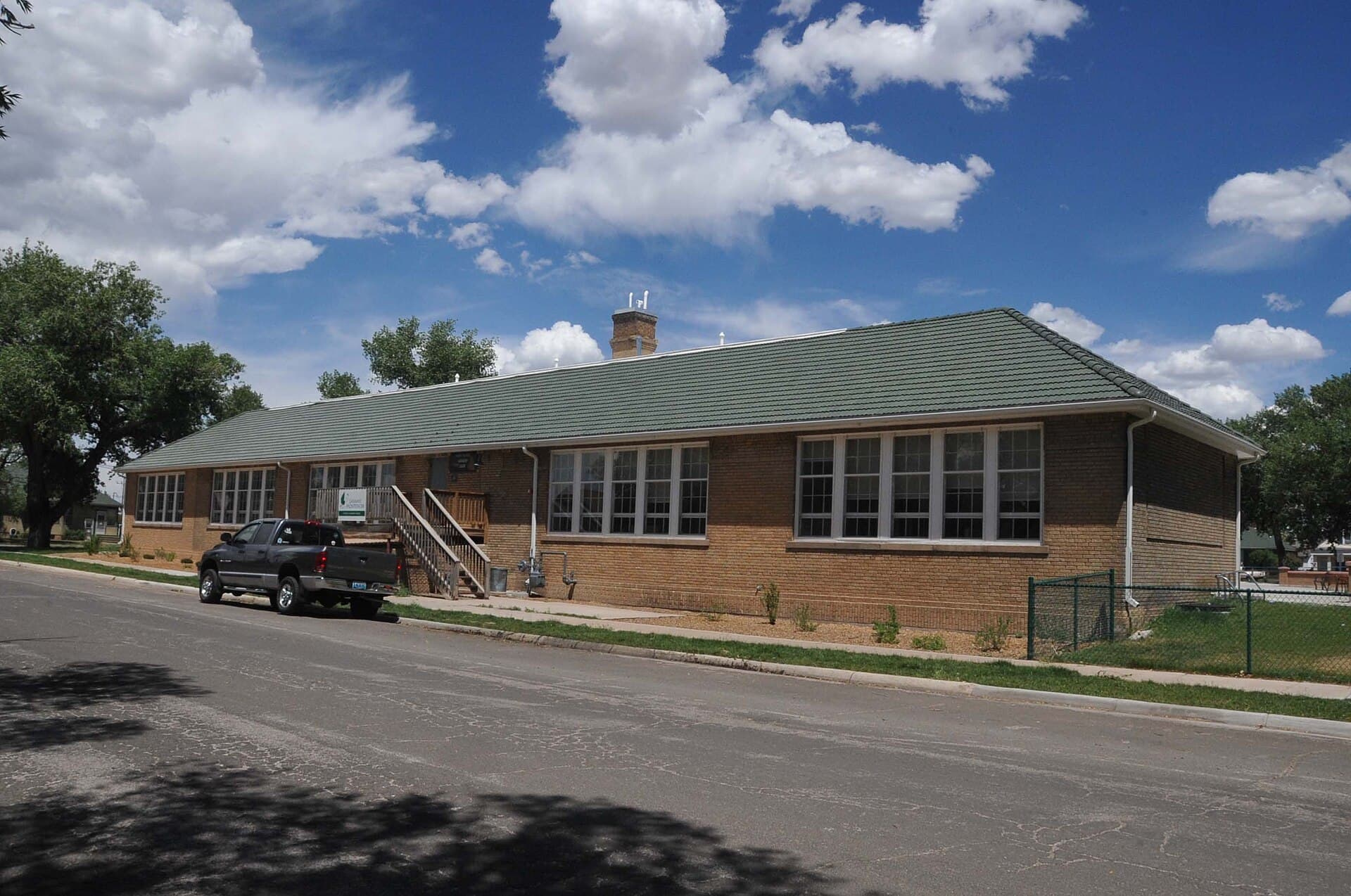
Whiting Elementary School is scheduled for a roof replacement, one of the clearest signs of deferred maintenance paying off in a visible way. A new roof usually does not draw attention the way a new classroom or gym might, but families often notice the difference quickly when leaks, ceiling stains and temperature swings no longer show up as recurring problems.
Spring Creek Elementary School is getting two upgrades that parents and staff will likely notice right away: a full roof replacement and new playground fall-protection surfacing. The roof project already came before trustees in April, when the board approved a $564,970 bid from Dave Loden Construction. The district said the previously approved bidder could not be bonded as required by the Wyoming School Construction Department, a reminder that even routine-sounding building work depends on strict state oversight.
Indian Paintbrush Elementary School is also set for a roof replacement and playground safety surfacing. Like Spring Creek, the work points to two of the most common long-term school building needs: keeping water out and making outdoor play areas safer under foot. For families, those fixes are the kind that show up in fewer repairs, fewer hazards and more reliable use of outdoor space.
Rock River School stands out because its summer project is a track replacement. In a small rural school, athletics, walking and outdoor events are woven into the daily rhythm of the building. A new track is not just a sports upgrade. It is the kind of visible improvement that can support student use, community use and school pride all at once.
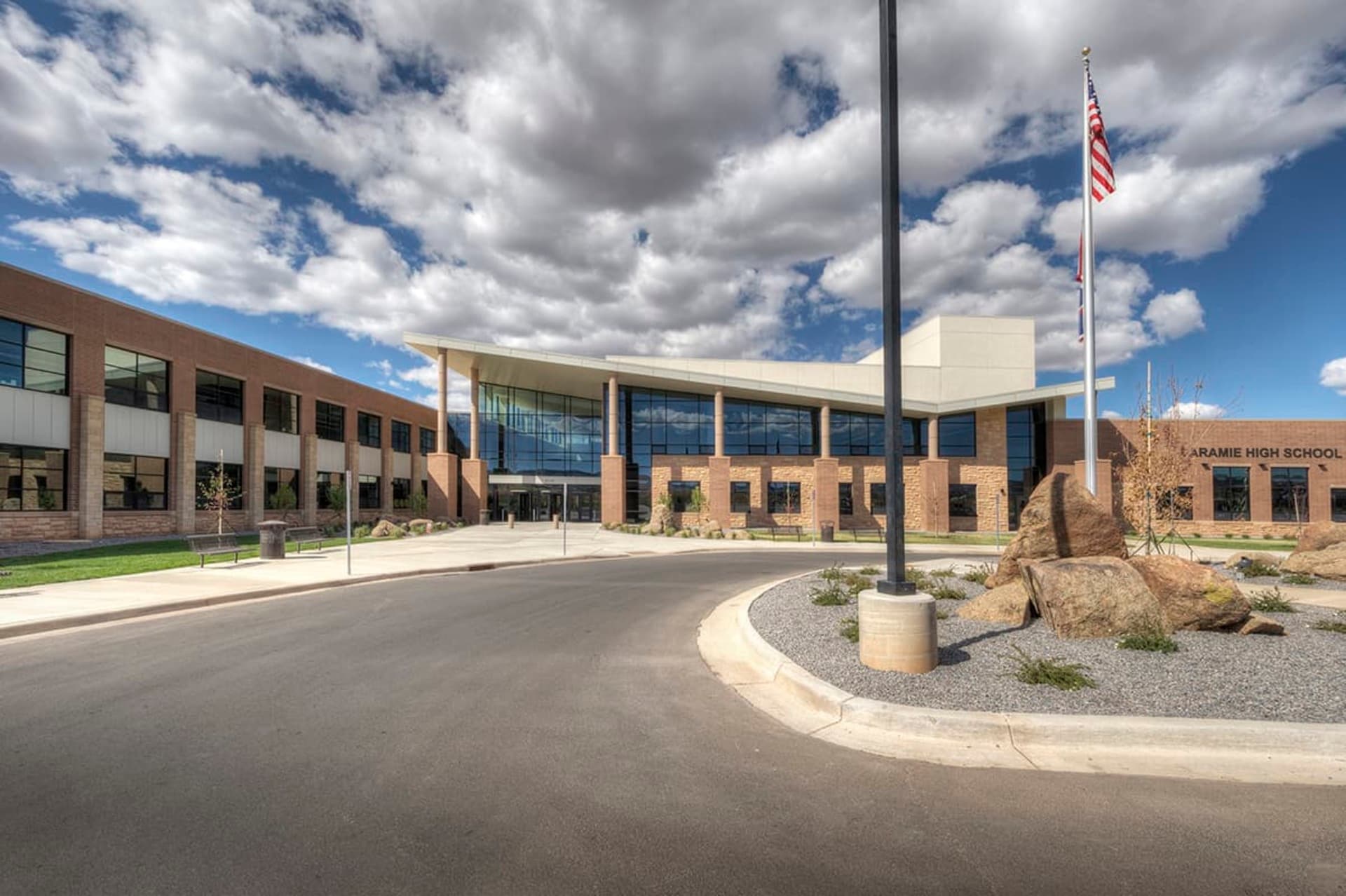
Laramie High School’s major project is a boiler plant refurbishment. That is the sort of work students may never see directly, but they will feel it when heating systems work more reliably and efficiently. For a large high school, a boiler plant is part of the building’s backbone. When it runs well, classrooms are steadier, maintenance calls are fewer and winter disruptions are less likely.
The district’s list also includes maintenance at Slade Elementary School and other campuses. Even without every project name attached, that broader spread is important: the summer work is not being concentrated on one marquee site. It is aimed at aging systems and basic building needs across the district.
How the district decides what gets done
ACSD#1 says its facilities update page is meant to serve as a central hub for district facility information, and the process behind the projects is more structured than a simple wish list. Staff identify upcoming work, review it during school-site tours, prioritize it with district leaders and engineers, and then submit scheduled projects in the annual budget.
That process matters because it shows how a district with limited capital money tries to make decisions before the first leak, breakdown or safety issue becomes urgent. ACSD#1 says about 75 percent of the funds allocated by the legislature for major maintenance are used for scheduled projects, while about 25 percent is held back for emergencies. That split is meant to keep the district moving ahead on planned replacements while still preserving flexibility for a burst pipe, a failed system or another sudden problem.
Why roofs, surfacing and boilers matter so much
These projects may not sound flashy, but they address the problems parents notice most. Roof replacements protect classrooms, hallways and equipment from water damage. Playground surfacing helps reduce injury risk where children are most likely to fall. Boiler work affects whether a building can stay warm and functional during Wyoming winter.
That is the point of major maintenance in the first place. The Wyoming Legislature says the state finances school repair and replacement work through a major maintenance formula tied to authorized gross square footage, a replacement-value cost factor and a 2 percent multiplier. Routine maintenance is funded separately through the K-12 funding model. The structure shows that school buildings are treated as long-term public assets, not just local line items, even though the day-to-day impacts land squarely on local families and staff.
A legislative issue brief also notes that districts can move general-fund money into reserve and capital-projects funds for building work. For families, that helps explain why the district’s repair calendar is tied so closely to broader budgeting choices. It is not just about what is broken. It is about what can be planned, funded and completed before the next school year starts.
A board month that mixed facilities with other decisions
The April 9 board update put the Spring Creek roof bid into context by showing that facilities work is moving alongside other district business. Trustees also approved the 2027-2028 academic calendar and selected WEBT as the district’s health and dental insurance provider for 2026-2027.
That mix is typical of how school systems operate in the spring. Facilities, staffing, calendars and benefits all compete for attention at once, but the summer repair list is the part most likely to change what families see when they walk onto campus in the fall. A roof that no longer leaks, a safer playground surface, a better track and a more reliable boiler plant are the kinds of improvements that quietly shape the school year ahead.
For Albany County, the clearest payoff of the summer 2026 repair season will be simple: buildings that are easier to trust, outdoor spaces that are safer to use and a district that looks more prepared for the next round of weather, wear and daily traffic.
This article was produced by Prism’s automated news system from verified source data, official records, and press releases, then run through automated quality and moderation checks before publishing. The system is built and supervised by the people who set the standards it runs under. Read our full AI policy.
Did this article answer your question?