Albany County Fair brings local traditions, exhibits, and contests together
From 4-H showmanship to the Jr. Livestock Sale, the Albany County Fair turns the fairgrounds into a countywide hub for agriculture, youth work, and local business.
Albany County Fair is the place where county agriculture becomes visible, measurable, and public. At the fairgrounds on 3510 South 3rd Street in Laramie, families, exhibitors, volunteers, and buyers gather around livestock, exhibits, and contests that connect Laramie, Rock River, Centennial, and the rest of Albany County in one shared summer venue.
What the fair is built to do
The fair is not just a lineup of entertainment. Albany County Fair Board regulations, issued under the Wyoming Administrative Procedures Act and Wyoming Statute §18-9-101(a)(iii) and §18-9-201, say the rules exist to govern the annual Albany County Fair, exhibitions, and contests. That matters because the fair is run as a civic institution, with structure behind the shows, the judging, and the sale ring.
The county also maintains a dedicated fair page, a fair board page with regular meetings, agendas, minutes, and members, and a fairgrounds page that treats the site as a county venue. In practical terms, that means the fair is part of how Albany County organizes summer life, not a one-off celebration that appears and disappears without a public framework.
Why the fairgrounds matter year-round
The Albany County Fairgrounds are more than a place to set up pens and bleachers for one week in summer. Tourism and venue listings describe the site as having exhibition halls, livestock arenas, and outdoor spaces, which makes it useful for county events, rentals, and public gatherings well beyond fair week. That kind of infrastructure gives Albany County a recognizable location where community business can happen in a familiar place.
For residents, that utility is part of the fair’s value. It gives local people a place to plan around, and it draws the kind of foot traffic that can help local vendors and nearby businesses when the fair is underway. It also gives youth programs, civic groups, and volunteer leaders a dependable setting for events that depend on space, livestock handling, and public participation.
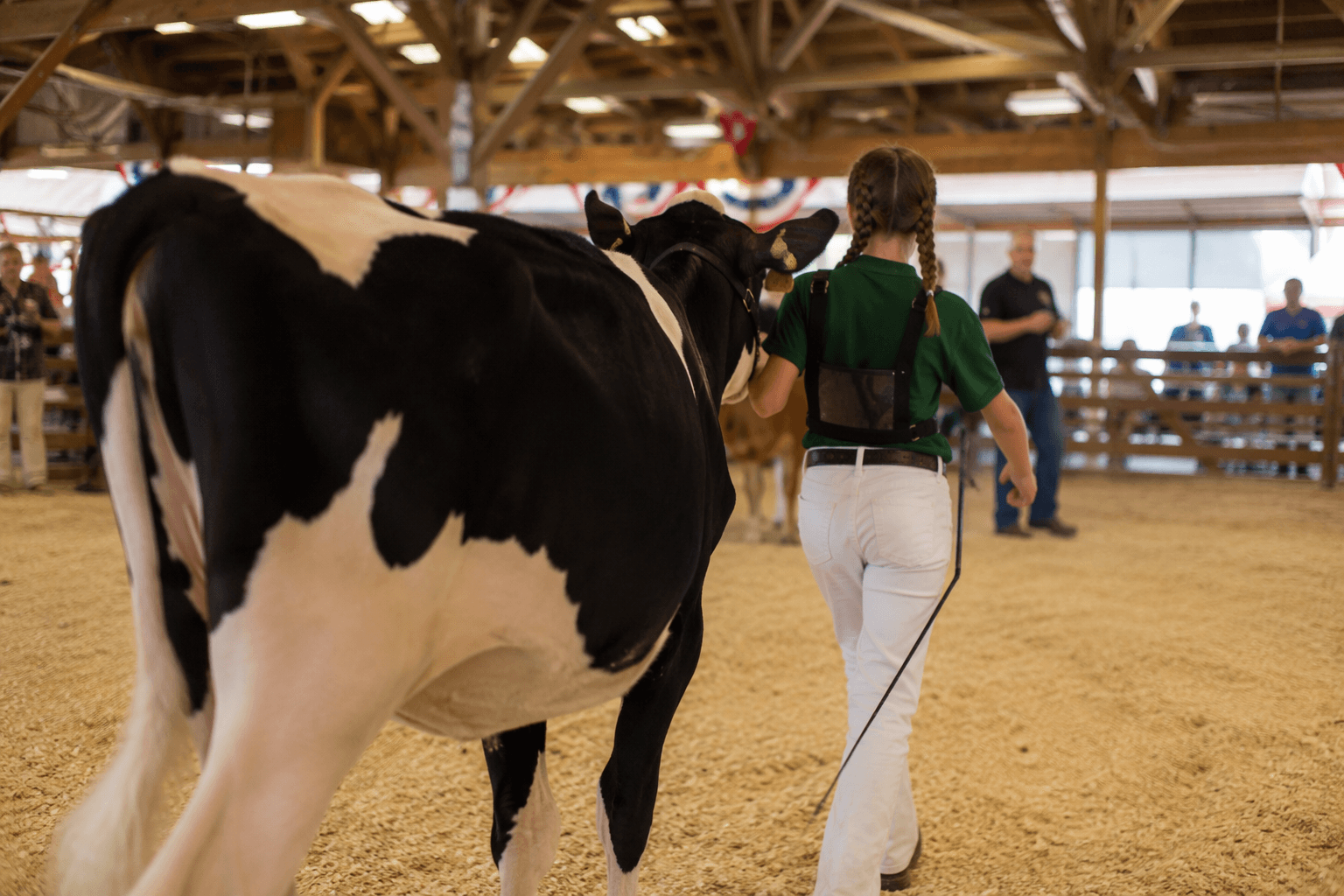
The youth livestock side is the center of the action
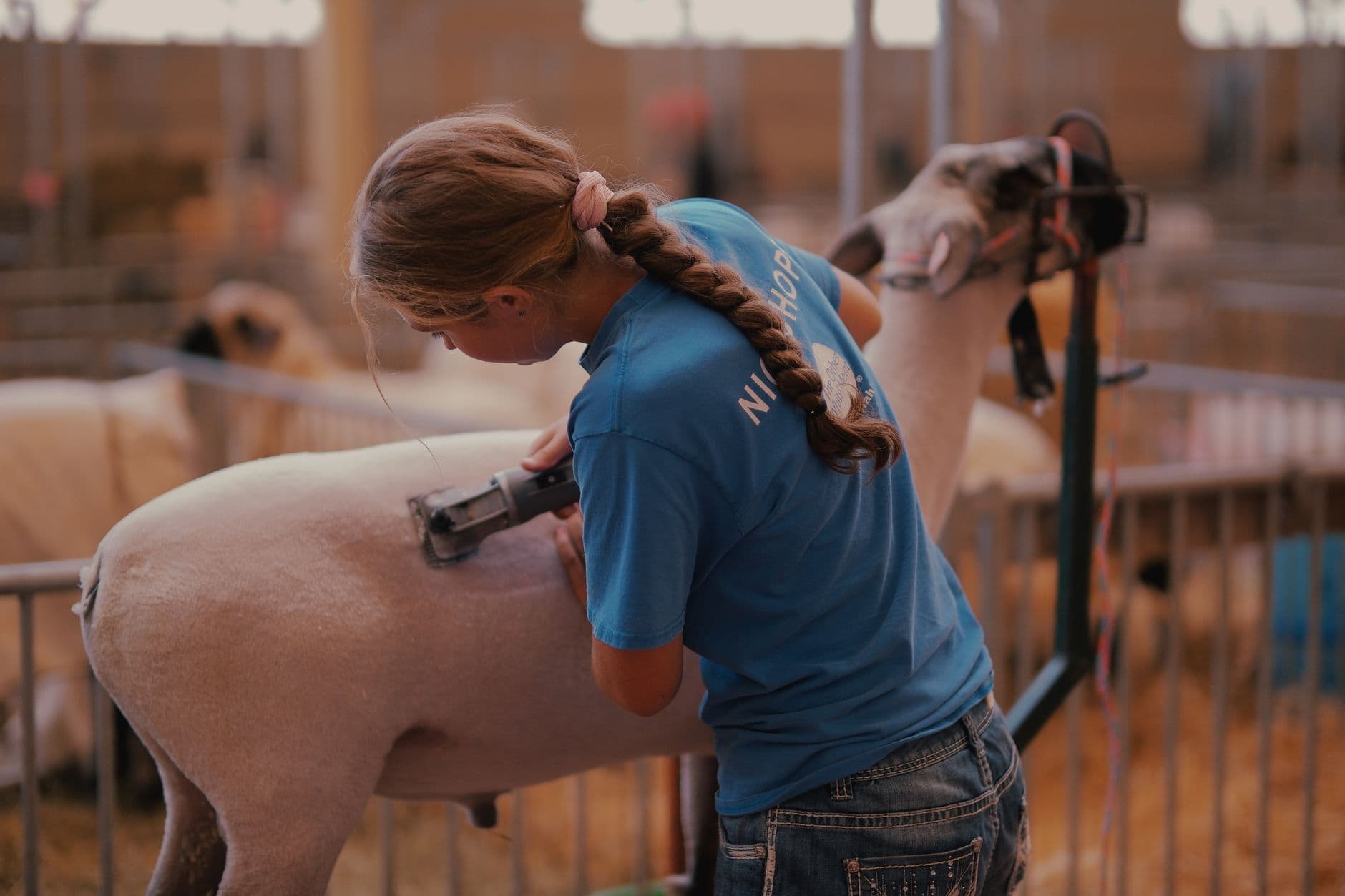
The fair’s most visible work happens through 4-H and FFA. Facebook results identify the event as the Albany County Fair & Jr. Livestock Sale, and county-related materials say the fair gives 4-H and FFA members an opportunity to showcase their projects. That is the core of the fair’s agriculture story: months of feeding, training, grooming, recordkeeping, and project work culminate in public judging and, for some, a sale.
Local coverage has described the fair as a place where hard work and dedication pay off for youth, and that is not an empty slogan. The fair board has also discussed livestock standards, which shows that animal quality, handling, and judging are central questions, not side issues. For county residents watching from the stands, the livestock arena is where the fair’s educational side becomes visible, because youth development and agricultural skills are on display in real time.
The fair can also serve as a stepping-stone to bigger stages. A social post referenced first-time Wyoming State Fair exhibitors, suggesting that Albany County Fair participation can help prepare eligible youth for the state fair. That gives the local fair a practical role in the broader youth-agriculture pipeline, especially for 4-H and FFA members building confidence before they compete beyond Albany County.
Deadlines shape the fair long before gates open
The fair runs on a calendar, not just a tradition. A 2020 Albany County Fair book listed the dates as July 21 through August 1, showing that the event can stretch across many days and include a substantial schedule. For 2026, search results indicate youth, 4-H, and FFA entries had a deadline of July 15 at 5 p.m., and open entries were accepted until Wednesday, July 22.
Those deadlines show how the fair is organized in practice. The regulations also note that a sign-up list of exhibitors with animals to sell is compiled in the fair office, which means participation in the livestock sale is managed through a formal process. If you are entering animals or exhibit classes, the fair office is the point of contact that turns a project into a scheduled entry.
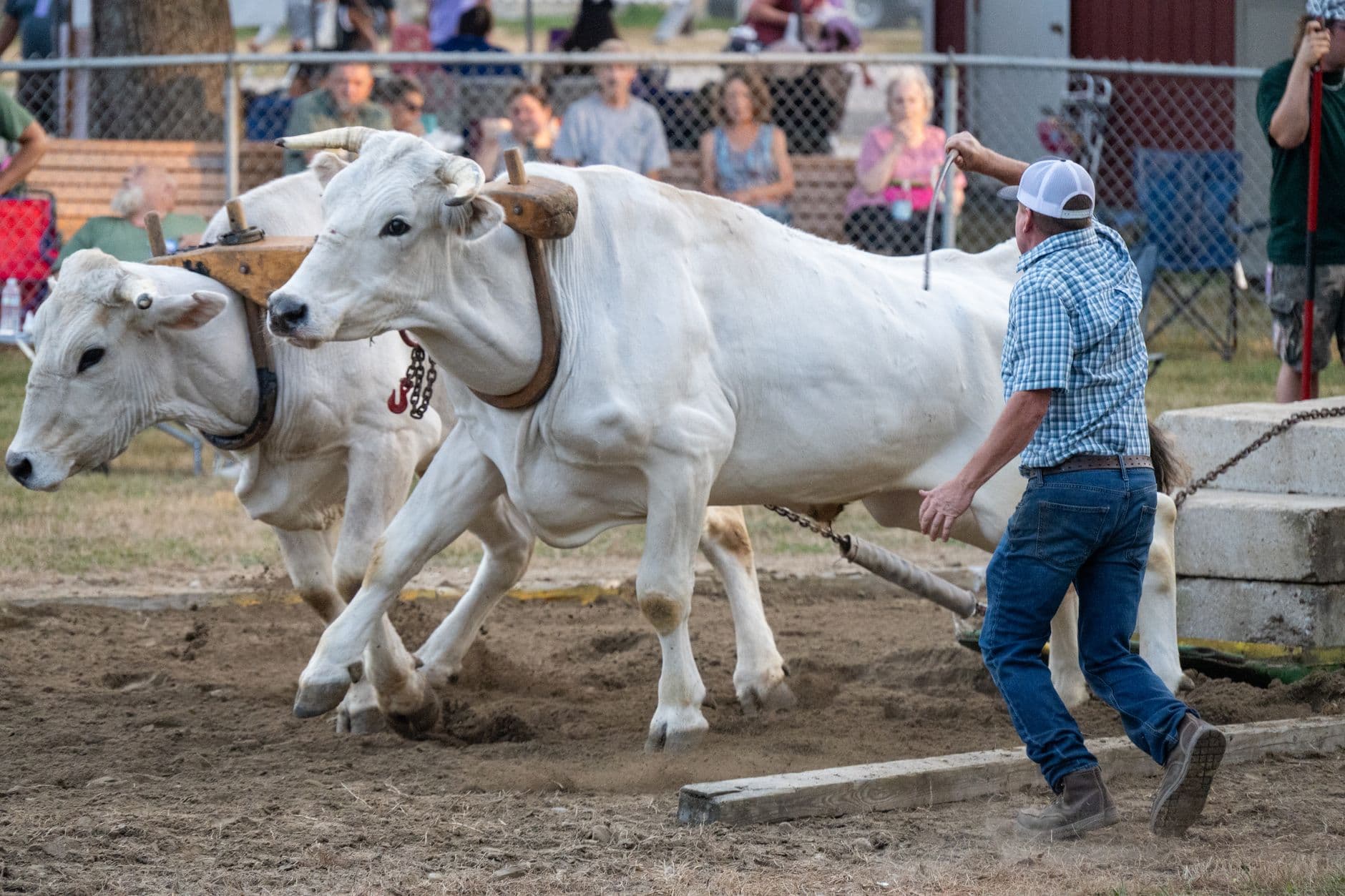
A county tradition with deep roots
Albany County Fair has a long documented history. Digital Public Library of America records include fair materials from 1901 through 1903 and again from 1931 through 1932, placing the event in the county’s early recorded civic life. A Wyoming News piece says the fair has changed through 12 decades, which fits the paper trail showing that the event has moved through multiple eras while keeping its place in Laramie’s summer rhythm.
That longevity helps explain why the fair still carries weight across the county. It is one of the few local events that can bring together longtime residents, new families, agricultural students, and fairgoers from across Albany County without feeling like a private or specialized gathering. The mix of history, youth work, livestock standards, and public competition gives the fair a civic role that is larger than its schedule.
What to watch, where to focus, and why it matters locally
- 4-H and FFA exhibits, where months of project work become public
- The Albany County Fair & Jr. Livestock Sale, where youth agriculture meets community support
- Livestock judging and standards discussions, which show how seriously the county takes animal projects
- Exhibits and contests, which reflect the fair board’s formal role in governing fair activity
If you are heading to the fairgrounds, the most meaningful parts of the event are usually the ones tied to local work:
The fair is not only a summer outing. It is where Albany County sees its agricultural identity, youth training, and community institutions in one place, at one venue, under one county-run structure. That is why the fairgrounds remain one of Laramie’s most useful public spaces and one of Albany County’s most enduring civic assets.
This article was produced by Prism’s automated news system from verified source data, official records, and press releases, then run through automated quality and moderation checks before publishing. The system is built and supervised by the people who set the standards it runs under. Read our full AI policy.
Did this article answer your question?