Albany County warns after cat tests positive for plague
A plague-positive cat in Albany County puts flea control and rodent avoidance front and center for pet owners. Wyoming has confirmed similar cat cases in 2019 and 2023.
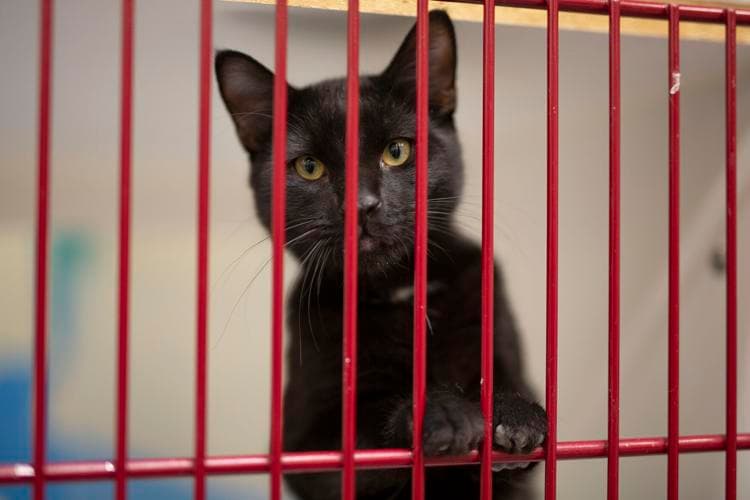
A cat in Albany County has tested positive for plague, a finding that matters well beyond one pet because fleas can carry the bacteria into homes and yards and sick cats can expose people and other animals. Wyoming health officials have treated previous feline cases as serious public-health warnings, not veterinary oddities.
Cats can pick up plague through fleas or by catching infected rodents, according to CDC veterinary guidance. That is why a cat with fever, lethargy, coughing, swollen lymph nodes, especially under the jaw, or a sharp drop in appetite needs a prompt veterinary call, especially if the animal has been around fleas, prairie dog areas, or other wildlife. Wyoming health officials have also described plague as a serious bacterial infection that can be deadly for pets and people if not treated quickly with antibiotics.

The practical advice for Albany County is the same in town, on acreages, and near prairie dog country: cut flea contact and keep pets away from rodents, dead wildlife, and burrows. Wyoming health officials have previously told residents to avoid areas with rodents and use repellent in areas with fleas, a reminder that still fits the way plague moves through the state.
This is not the first time Wyoming has dealt with plague in a cat. The Wyoming Department of Health confirmed plague in a Johnson County cat on Jan. 4, 2019, after laboratory testing at the University of Wyoming, and confirmed plague in a Fremont County cat on July 24, 2023. In 2019, the Albany County cat was the third feline in Wyoming in six months to contract the disease.
State public-health veterinarian Dr. Emily Curren has said, “a risk for plague exists all around our state.” For Albany County pet owners, the warning is straightforward: watch outdoor cats closely, keep flea control current, and treat unusual illness after wildlife contact as a reason to call a veterinarian quickly.
This article was produced by Prism’s automated news system from verified source data, official records, and press releases, then run through automated quality and moderation checks before publishing. The system is built and supervised by the people who set the standards it runs under. Read our full AI policy.
Did this article answer your question?