Laramie council approves $98.7 million budget for drainage and street work
Laramie’s $98.7 million budget sets aside reserves for drainage, street work and housing infrastructure, with projects aimed at 15th, 4th and Custer streets.
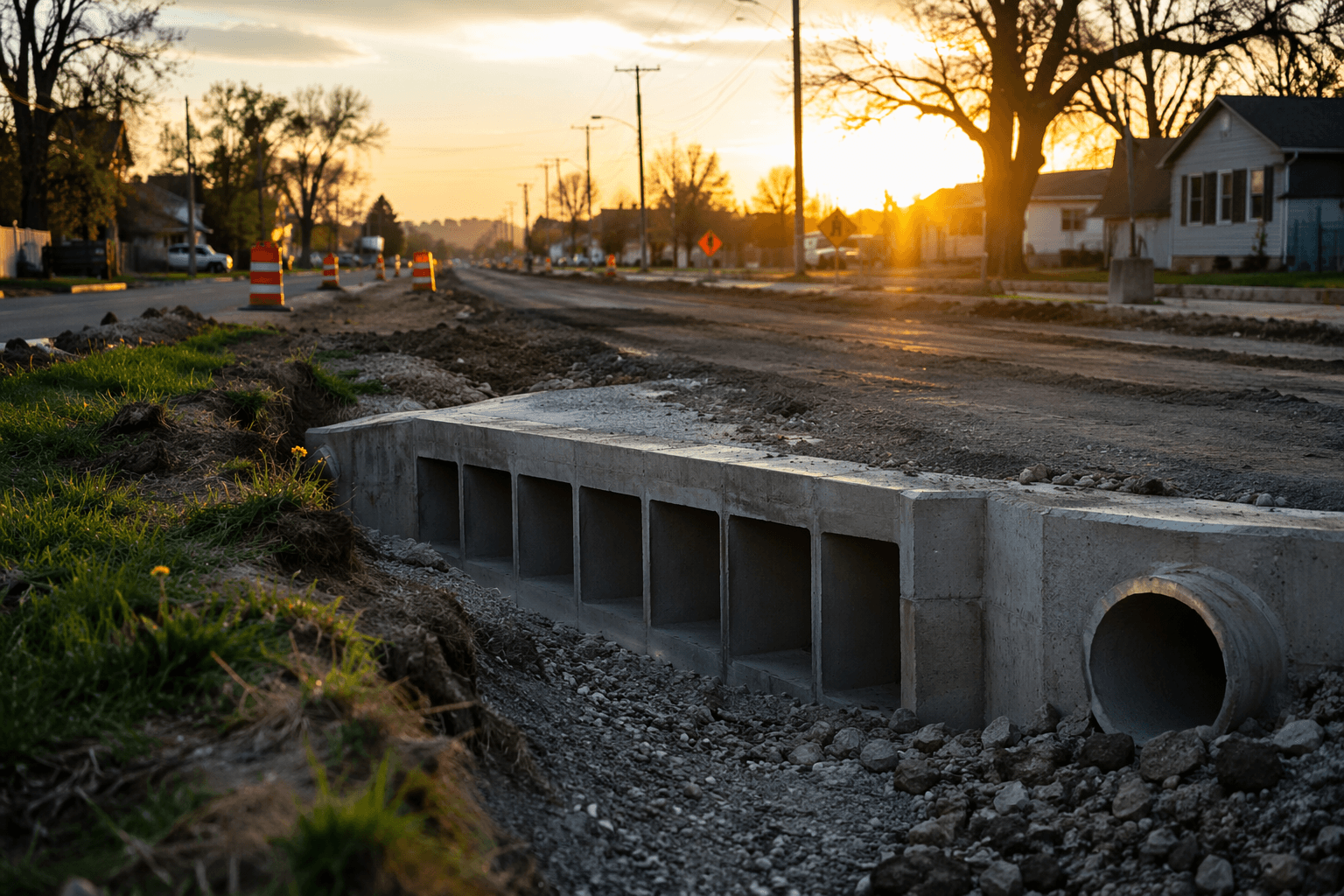
Money for drainage, street repairs and housing infrastructure moved to the front of Laramie’s fiscal agenda as the City Council unanimously approved a $98.7 million budget that could shape flood control, road conditions and the pace of new building across Albany County. The council adopted Resolution 2026-43 on June 16, setting the fiscal 2027 budget for July 1, 2026 through June 30, 2027 and reserving funds instead of spending them all at once.
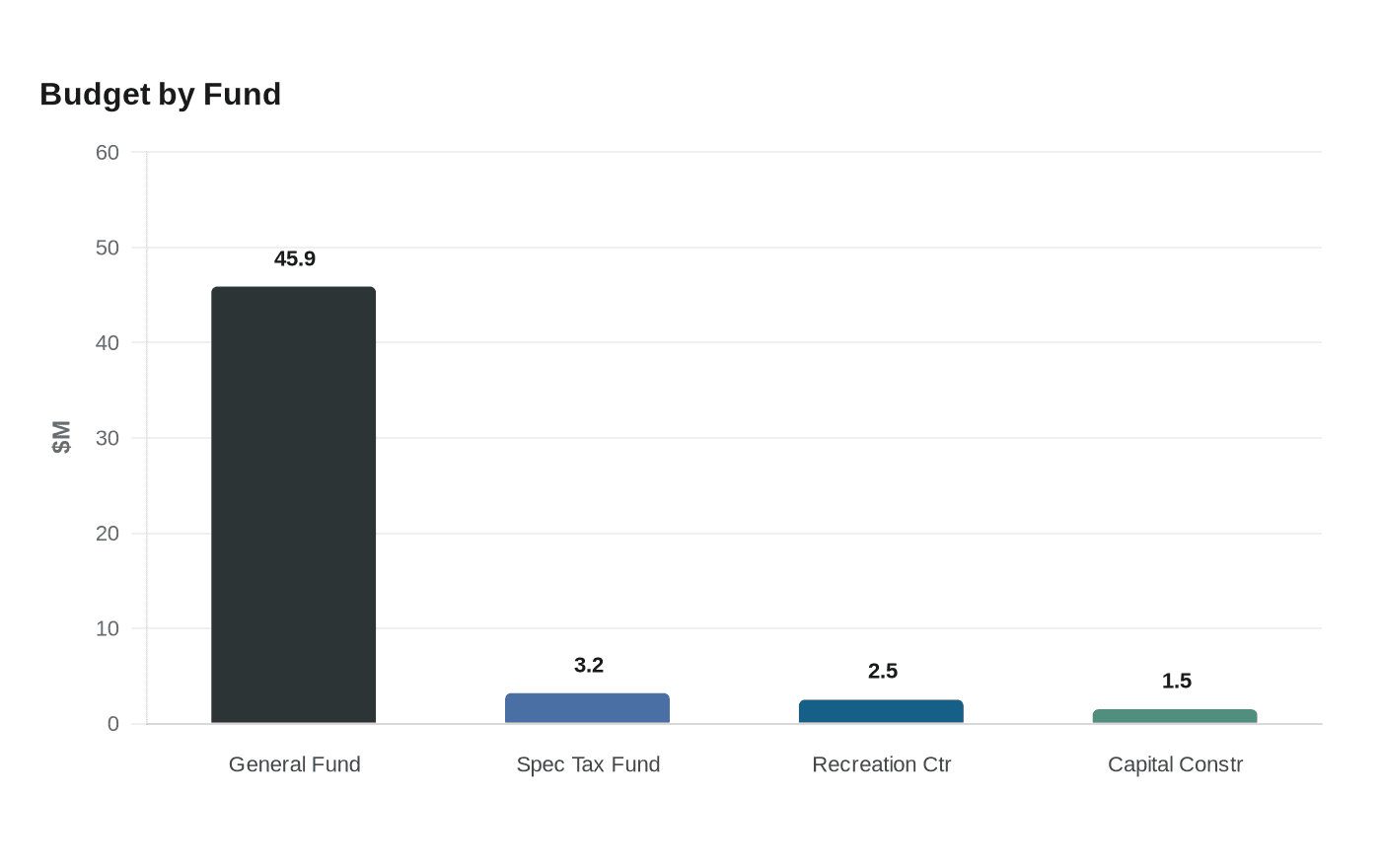
The recommended appropriation across all governmental funds is $98,730,842. The General Fund is $45.9 million, or 84% of governmental activities, with the 2018 Specific Purpose Tax Fund at $3.2 million, the Recreation Center Fund at $2.5 million and the Capital Construction Fund at $1.5 million. City staff, including Director Wade, laid out the package before the unanimous vote, a sign council members viewed the budget as a practical operating plan rather than a split decision.
The reserve strategy lands where many residents feel city spending most directly: on streets, stormwater and the housing systems that support development. Laramie’s stormwater network includes about 1,672 inlets, 668 manholes, 25 city-maintained detention ponds, roughly 52 miles of main line pipe, 16 miles of lateral pipe and 13 miles of drainage channels, and the city says the Surface Water Drainage Fund finances that work. A May 14 council work session focused on public works, proposed surface-water drainage staffing and equipment, and enterprise fund capital needs, underscoring how much of the budget is tied to keeping water moving and infrastructure functioning.
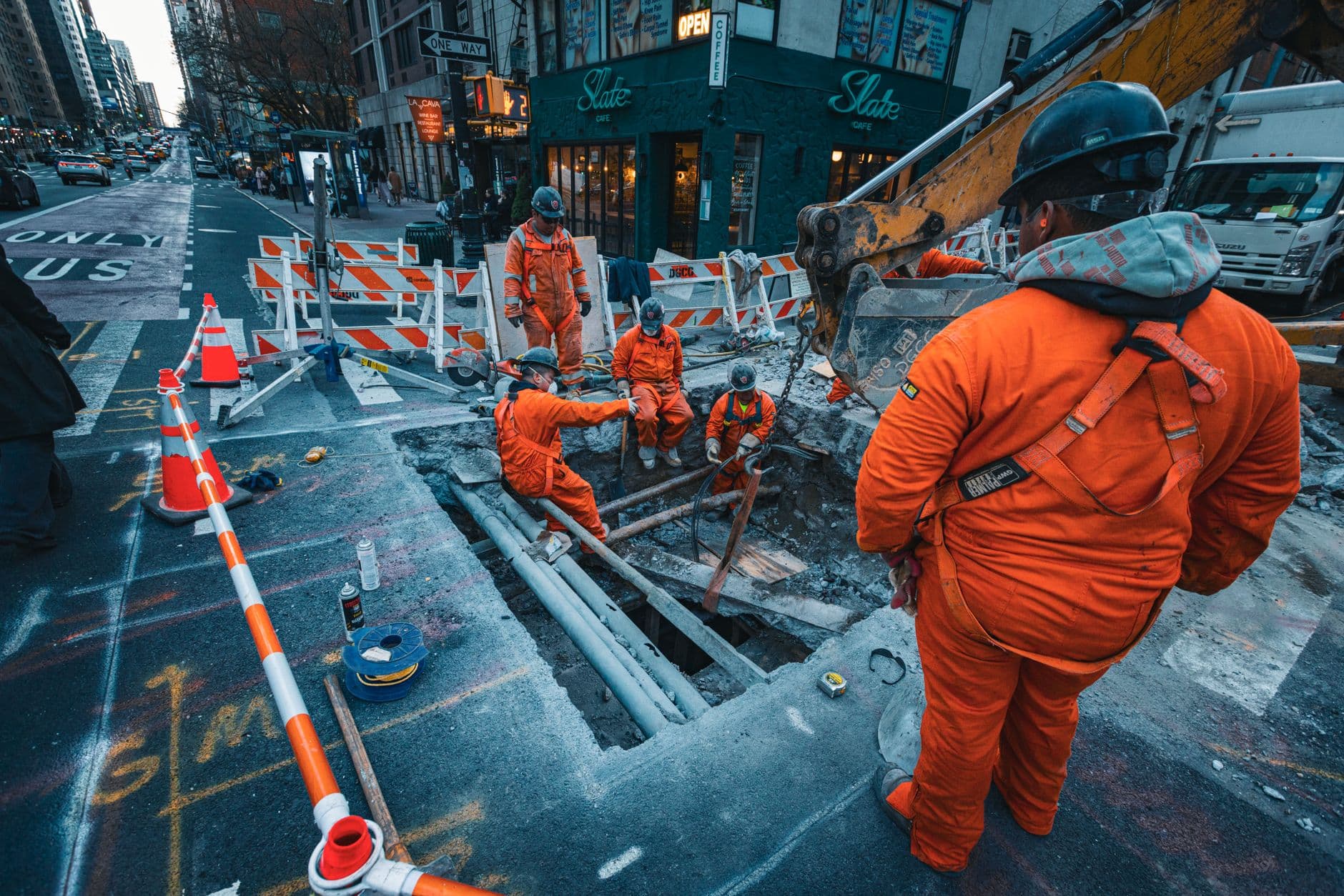
The city’s March 26 construction overview shows the pressure points the budget is meant to support, including 15th Street reconstruction Phase 2, 4th Street reconstruction, FY 2026 street rehabilitation, Custer Street sewer rehab and West Laramie main lift station upgrades. The same list also includes citywide chip seal and CIPP lining projects, along with Bill Nye/B2 sewer connection work and signal improvements at Bill Nye and 3rd, suggesting the reserve money could help keep several neighborhoods and utility corridors on schedule as Laramie tries to avoid bigger costs later.
That approach follows months of budget work, including the city’s spring materials describing the budget as a way to address Laramie’s most pressing challenges while supporting a growing community. But after the council moved to repeal the Surface Water Utility fee earlier in 2026 following public pushback, the reserve-heavy plan leaves the city with the same hard calculation: whether drainage and street work can keep pace now, or whether the next round of spending will force tougher choices on fees, taxes or delayed projects.
This article was produced by Prism’s automated news system from verified source data, official records, and press releases, then run through automated quality and moderation checks before publishing. The system is built and supervised by the people who set the standards it runs under. Read our full AI policy.
Know something we missed? Have a correction or additional information?
Submit a Tip