Laramie senior turns recovery into powerlifting success story
A Grand Avenue crash left Suz Luhr with devastating injuries, but the Laramie senior rebuilt with deadlifts, senior fitness classes and national recognition.
Recovery that started with pain
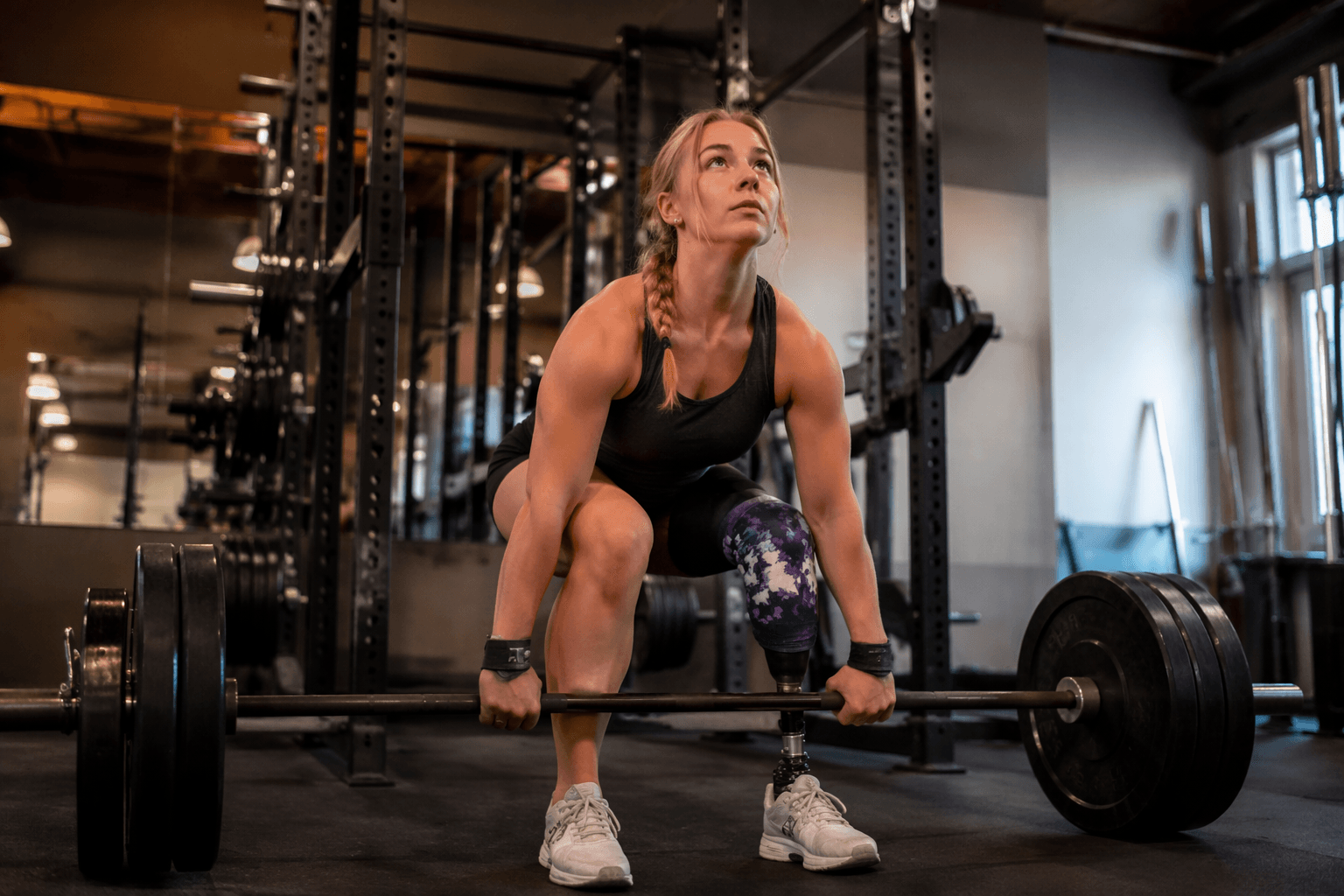
A truck strike on Grand Avenue left Suz Luhr with a broken femur and a pelvis fractured in three places, but the Laramie resident turned that setback into a second act built on strength. At 68, she now trains at Altitude Fitness, where deadlifts are part of both her recovery and her competitive life, a reminder that aging in Albany County can include reinvention, not just limitation.
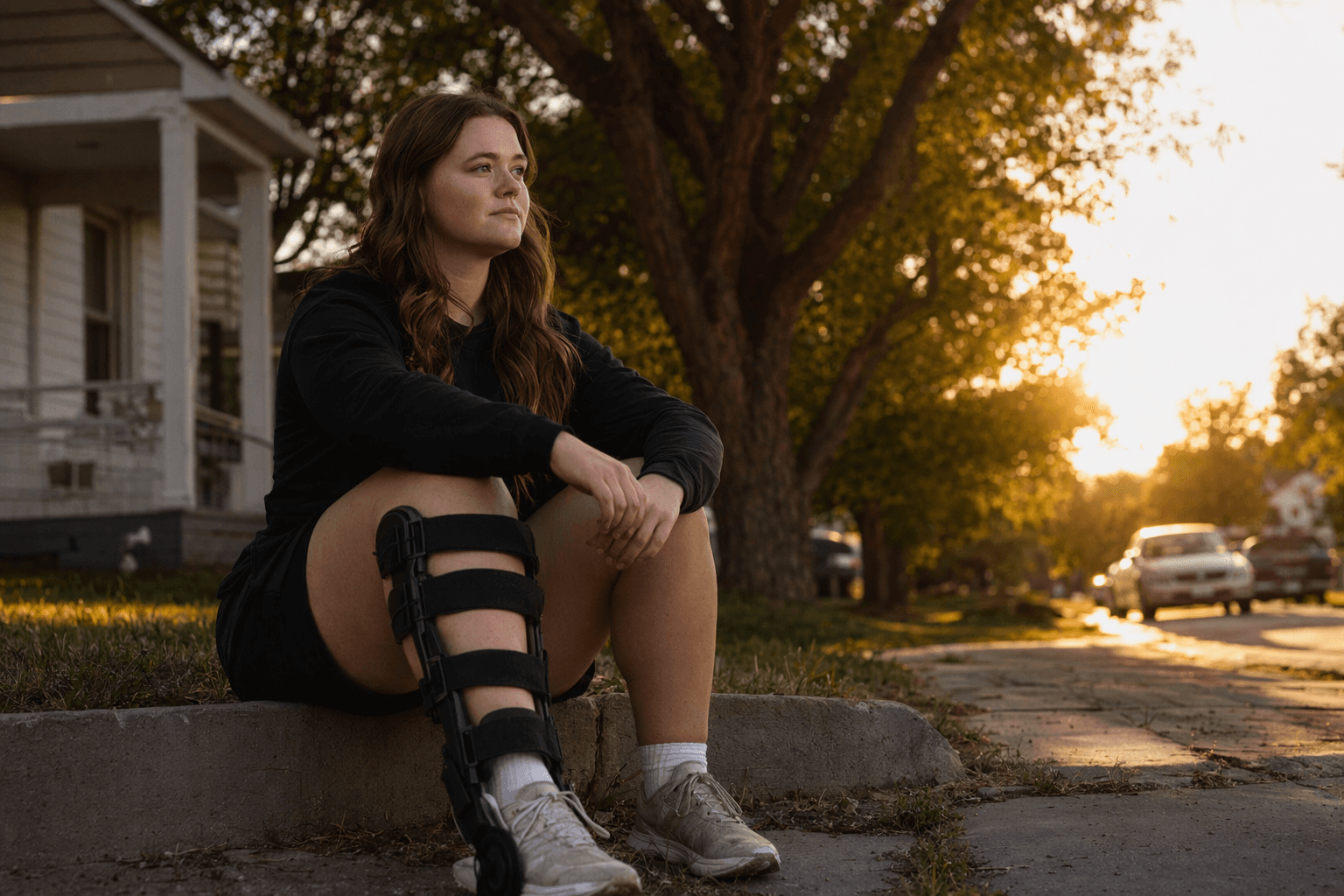
Luhr’s story resonates because it is rooted in a place people know. Grand Avenue is not an abstract backdrop, and neither is Laramie. Her injuries from the 2011 crash created years of lingering difficulty, including trouble climbing stairs and hiking over rocks, the kind of day-to-day problems that can quietly shrink a person’s world. Instead of accepting that decline as inevitable, she pushed toward physical therapy and then toward deadlifting.
That progression matters beyond one athlete’s personal grit. For older adults, especially those dealing with old injuries, the line between rehabilitation and independence can be thin. Luhr’s path shows how strength work can become a practical tool for keeping mobility, confidence, and daily function intact.
Why the gym became part of healing
At Altitude Fitness, Luhr demonstrates deadlift technique with the kind of focus usually reserved for people much younger. But her training is not about chasing novelty or chasing a number alone. It is about rebuilding the muscles and movement patterns that let her move through stairs, uneven ground, and ordinary life with less pain and more control.
That makes her example especially relevant for older residents who may see the gym as a place for performance rather than recovery. Luhr’s experience suggests the opposite: strength training can be a form of preventive health care, particularly when a person is working to regain function after injury or age-related weakness. In a state where weather, terrain, and long distances can complicate daily life, that kind of resilience has real value.
Her routine also highlights the importance of community fitness spaces that make strength training feel accessible rather than intimidating. A local gym can become more than a room of weights. For someone like Luhr, it becomes a place where aging is approached as a project of maintenance, adaptation, and determination.
A local program built around balance and fall prevention
Luhr also attends Wyoming Senior Wellness Initiative meet-ups twice a week, placing her within a broader public-health effort focused on older adults. Those sessions are designed to build strength and reduce frailty and fall risk, a set of goals that matter far beyond the gym floor.
The classes are funded through a grant from the Wyoming Department of Health and the federal government, which means her story is also a window into how public dollars can support aging well. The program is not just about lifting weights. It is about helping older Wyoming residents stay independent longer, avoid injuries that can trigger more serious decline, and remain active in their communities.
That wider mission is easy to miss when fitness stories are told only through medals or personal milestones. Yet the policy backdrop is essential. A state that supports senior strength and balance work is investing in prevention, and prevention often costs less, physically and financially, than the consequences of falls, hospital stays, and loss of independence.
The scale of that effort was visible in earlier reporting on the related senior strength and balance program. In 2024, about 120 seniors were participating across Cody, Powell, and Laramie, showing that this is not an isolated class but a regional approach to aging, movement, and safety. The same reporting said the program would run through summer 2026, underscoring that Luhr’s training sits inside a continuing effort, not a one-time pilot.
From rehabilitation to competition
Luhr did not stop at recovery. She went on to win events at the 2025 Cheyenne Senior Olympics and the USA Powerlifting Wyoming Ladies of Iron Competition, proving that strength work done for health can also become strength work done for performance. That transition is part of what makes her story so striking. The same movements that helped her reclaim mobility also carried her onto competition platforms.
For older adults, that is an important message: athletic identity does not have to end at retirement, and physical limitation does not have to define the rest of life. Luhr’s competitive success shows how a person can move from rehab-focused lifting to formal sport without abandoning the health benefits that first made lifting worthwhile.
Her example also challenges the narrow cultural script that often treats senior fitness as gentle movement alone. There is room for that, but there is also room for heavier work, structured training, and ambitious goals. In Luhr’s case, the barbell became a bridge between recovery and accomplishment.
Recognition that reaches far beyond Laramie
Luhr’s reach expanded again when Senior Planet from AARP named her one of five Sponsored Athletes for 2026. The program selects five adults age 60 and older from across the United States each year and presents them as fitness ambassadors who share their journeys to motivate other older adults.
That selection is national recognition, but it still carries a distinctly local feel. A Laramie resident who rebuilt herself after a Grand Avenue crash is now being asked to help other older adults think differently about training, aging, and what is possible after setback. She will teach virtual classes and write blog posts about training and wellness, carrying a Wyoming story into homes far beyond Albany County.
The timing also matters. The 2026 cohort was announced on February 20, 2026, placing Luhr among a small group chosen to represent older adults who stay active in visible, public ways. For Laramie, the significance is more than bragging rights. It is a reminder that local stories can help shape national conversations about aging, resilience, and health.
What Luhr’s story says about Laramie
Luhr’s path is not just inspiring because it is unusual. It is powerful because it reflects a set of choices that any community can support: accessible physical therapy, strength-focused senior programming, welcoming fitness spaces, and a public-health system willing to fund prevention.
In Laramie, where residents know Grand Avenue, Altitude Fitness, and the challenge of staying mobile through the years, her story lands with unusual force. She did not simply return to exercise. She used exercise to return to herself, then pushed farther, into competition and into national service as a model for others.
For Albany County, that is the real takeaway. Recovery is not always a straight line, and aging does not have to mean retreat. With the right support, strength training can become a path back to independence, a shield against frailty, and, for some, a new kind of success.
This article was produced by Prism’s automated news system from verified source data, official records, and press releases, then run through automated quality and moderation checks before publishing. The system is built and supervised by the people who set the standards it runs under. Read our full AI policy.
Did this article answer your question?