Minimal Snow Leaves Albany County Prairies Brown, Drought Deepens
Brown prairie already stretches toward the Laramie Range as Wyoming sits at 54% of median snowpack, raising fire and forage worries for Albany County.
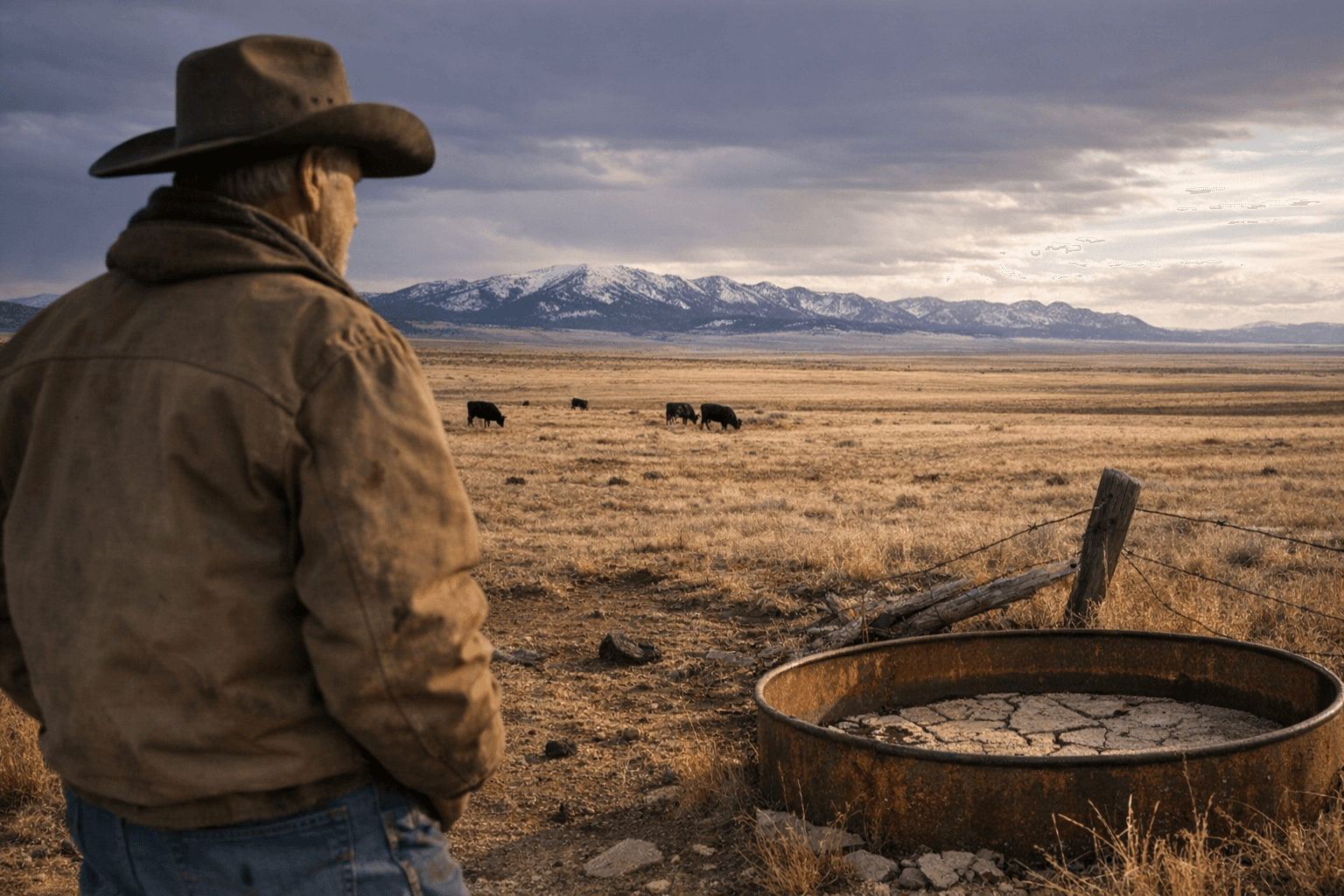
The prairies north and west of Cheyenne are already turning brown, and in Albany County the lack of winter snow is now being treated as a public-impact drought warning, not just a bad start to spring. Ranchers are heading into the growing season with less moisture in the ground, wildlife managers are watching winter range and migration habitat in the Laramie Range, and state officials are bracing for a sharper fire season if April and May stay dry.
Wyoming’s snowpack was reading just 54% of median as of April 6, according to the University of Wyoming’s weekly snow report. That statewide average masked huge swings, with a basin high of 95% and a basin low of 0%, a reminder that some parts of Wyoming still had little to no snow reserve left to carry streams into summer.
A Western Water Assessment briefing on April 9 said March weather rapidly intensified the snow drought and pushed snowpack to peak three to nine weeks early. At most locations across Colorado, Utah and much of Wyoming, snowpack sat at record low levels. The U.S. Drought Monitor showed severe drought expanding farther into central and northern Wyoming, while extreme drought spread in parts of southern Wyoming.
The dry start has already triggered restrictions on the ground. The Wyoming Game and Fish Department imposed an open fire ban effective April 1 on Commission-owned and administered lands in Albany, Goshen, Laramie and Platte counties because of extreme drought and heightened fire danger. The Natural Resources Conservation Service also published its April Wyoming Basin and Water Supply Outlook on April 1, signaling that snowpack, precipitation, streamflow and reservoir storage are all under close watch heading into the growing season.
For wildlife, the concern is that a dry spring can echo through the rest of the year. Troy Fieseler, a Wyoming Game and Fish Department biologist, warned that if the landscape stays this dry, summer, fall and winter could bring long-term declines in body condition, worse overwinter survival, fewer fawns and poorer reproduction for big game. Wyoming Game and Fish says it manages 44 wildlife habitat management areas that provide crucial winter habitat for big game and other wildlife, much of it tied to the Laramie Range.
The risk stands out because Wyoming has already seen both extremes. A recent report said the 2026 winter was one of the driest and warmest on record, but just three years ago heavy snow and icing killed tens of thousands of mule deer and pronghorn. For Albany County, the next signs to watch are whether burn restrictions spread, whether ranchers are forced into herd reductions or earlier hay purchases, and whether state officials move toward emergency drought measures if spring moisture does not arrive soon.
This article was produced by Prism’s automated news system from verified source data, official records, and press releases, then run through automated quality and moderation checks before publishing. The system is built and supervised by the people who set the standards it runs under. Read our full AI policy.
Did this article answer your question?